
The traditional linear economy model of “take-make-dispose” is no longer sustainable. We are depleting resources at an alarming rate. Furthermore, waste is piling up, polluting our planet. Manufacturers and designers have a crucial role to play. They can lead the shift towards a circular economy. This means designing products that never become waste. It’s a fundamental change in how we think about creation and consumption.
A circular economy aims to keep resources in use for as long as possible. It extracts the maximum value from them. Then, it recovers and regenerates products and materials at the end of each service life. This model offers significant environmental and economic benefits. It reduces reliance on virgin resources. It also minimizes pollution and greenhouse gas emissions. Moreover, it can create new business opportunities and jobs.
Understanding the Circular Economy Framework
The circular economy is built on three core principles. These principles are guided by design. They aim to eliminate waste and pollution. They also seek to circulate products and materials. Finally, they intend to regenerate nature.
1. Eliminate Waste and Pollution
From the outset, design choices should prevent waste. This involves considering the entire lifecycle of a product. It means choosing materials wisely. It also means designing for durability and repairability. Pollution should also be avoided. This includes air, water, and land pollution.
For example, companies can opt for non-toxic materials. They can also design processes that generate minimal byproducts. Reducing packaging is another key strategy. This is crucial for minimizing waste before a product even reaches the consumer.
2. Circulate Products and Materials
Instead of discarding products, the goal is to keep them in use. This can be achieved through various strategies. These include repair, refurbishment, remanufacturing, and recycling. The aim is to maintain the highest possible value of products and materials.
- Repair: Fixing broken items so they can be used again.
- Refurbishment: Restoring a product to a good working condition.
- Remanufacturing: Disassembling a product, restoring its components, and reassembling it.
- Recycling: Breaking down materials to create new products.
Essentially, the aim is to create closed-loop systems. In these systems, materials flow continuously. They never truly become waste. This approach significantly reduces the need for new raw materials. It also lessens the environmental impact of extraction and processing.
3. Regenerate Nature
The circular economy doesn’t just focus on reducing harm. It also aims to actively benefit natural systems. This means returning biological nutrients to the soil. It also involves supporting the regeneration of ecosystems.
For instance, composting organic waste returns valuable nutrients to the soil. This can improve soil health and reduce the need for synthetic fertilizers. Supporting biodiversity is another aspect. This can involve creating habitats or using materials that are biodegradable and compostable.
Designing for Circularity: A Practical Guide
For manufacturers and designers, embracing the circular economy requires a shift in mindset. It demands a proactive approach to design. Here are key strategies to consider:
Material Selection: The Foundation of Circularity
The choice of materials is paramount. Prioritize materials that are:
- Renewable: Sourced from nature and replenishable.
- Recycled or Recyclable: Made from post-consumer or post-industrial waste, and designed to be easily recycled.
- Durable: Built to last, reducing the need for frequent replacements.
- Non-toxic: Safe for human health and the environment.
- Biodegradable or Compostable: For organic materials, ensuring they can safely return to the biosphere.
Consider materials like bamboo, recycled plastics, or sustainably sourced wood. For electronic components, designing for easy disassembly and recovery of valuable metals is essential. This focus on material choice sets the stage for a product’s entire lifecycle.
Design for Durability and Longevity
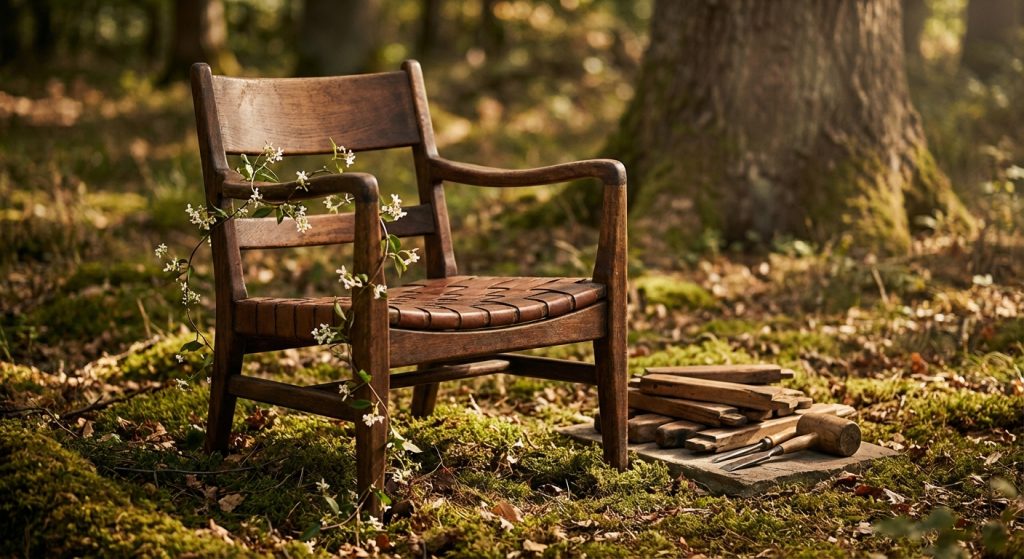
Products should be built to last. This means avoiding planned obsolescence. Instead, focus on quality craftsmanship and robust design. Simple, timeless designs often outlast trendy ones. This extends a product’s useful life significantly.
For example, a well-made piece of furniture can last for generations. In contrast, a cheaply made item might need replacement within a few years. This principle applies across all product categories.
Design for Disassembly and Repair
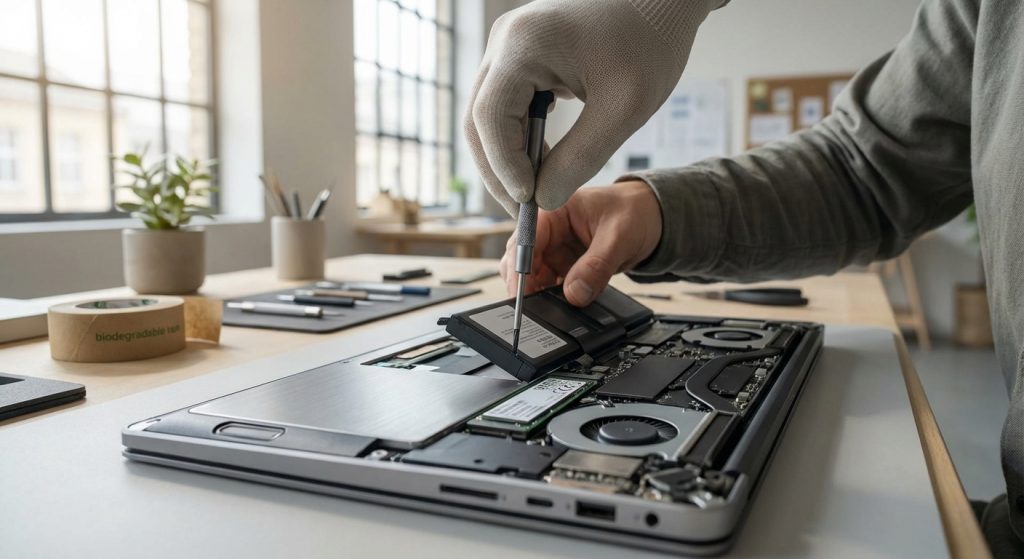
Products should be easy to take apart. This is crucial for repair and recycling. Use standard fasteners. Avoid permanent adhesives where possible. Modular design can also be highly beneficial. It allows individual components to be replaced or upgraded.
Think about how a smartphone can be repaired. Ideally, components like batteries and screens should be easily accessible. This contrasts sharply with devices that are sealed and difficult to service. This makes repair economically viable and environmentally responsible.
Design for Modularity and Upgradability
Modular design allows for components to be swapped out. This means a product can be updated or repaired more easily. For example, a laptop with easily replaceable RAM or storage. This extends its useful life. It also allows consumers to upgrade specific parts. This avoids the need to buy an entirely new product.
Furthermore, modularity facilitates better recycling. When a product reaches its end of life, individual components can be more efficiently recovered and processed. This is a key aspect of keeping materials in circulation.
Explore New Business Models
The circular economy often involves new ways of doing business. Instead of selling products, companies can offer services. This is known as a “product-as-a-service” model. For example, leasing equipment instead of selling it. This incentivizes the manufacturer to create durable, repairable products.
Other models include take-back schemes. Companies can collect old products for refurbishment or recycling. This ensures materials are managed responsibly at their end of life. These models create ongoing customer relationships. They also provide valuable feedback for future design improvements.
The Role of Technology in Enabling Circularity
Technology plays a vital role in facilitating the circular economy. Digital tools can help track materials. They can also optimize logistics and enable new service models.
- Digital Product Passports: These can provide detailed information about a product’s materials. They also track its repair history and recyclability. This transparency is essential for effective material management.
- Blockchain Technology: It can enhance transparency and traceability in supply chains. This is particularly useful for verifying the origin and recycled content of materials. This can build trust and accountability.
- AI and IoT: These technologies can optimize resource use. They can also predict maintenance needs. This helps extend product life. For instance, smart sensors can monitor equipment performance. They can alert users to potential issues before they lead to failure.
Furthermore, advancements in material science are crucial. Innovations in biodegradable plastics and advanced recycling techniques are transforming what is possible. The development of bio-plastics and mycelium-based materials offers promising alternatives to traditional plastics.
Challenges and Opportunities for Manufacturers and Designers
Transitioning to a circular economy is not without its challenges. Initial investment costs can be high. Shifting established business models requires significant effort. Consumer education is also important. Many consumers are still accustomed to the linear model.
However, the opportunities are immense. Companies that embrace circularity can gain a competitive advantage. They can reduce costs through efficient resource use. They can also enhance brand reputation. Consumers are increasingly demanding sustainable products. This presents a significant market opportunity.
Moreover, designing for circularity can foster innovation. It encourages creative problem-solving. It pushes the boundaries of material science and product design. This can lead to the development of entirely new products and services. For example, the focus on biomimicry, drawing inspiration from nature’s designs, can lead to highly efficient and sustainable solutions. We see this in areas like biomimicry in architecture.
Conclusion: Building a Sustainable Future, One Product at a Time
The circular economy is more than just a trend. It is a necessary evolution in how we design, produce, and consume. For manufacturers and designers, it represents a paradigm shift. It calls for a commitment to creating products that are built to last. It also demands a focus on keeping materials in use. By embracing circular design principles, businesses can contribute to a healthier planet. They can also build more resilient and profitable enterprises.
Ultimately, designing products that never become waste is about creating a future where progress and environmental stewardship go hand in hand. It’s about innovation, responsibility, and a vision for a truly sustainable world.
Frequently Asked Questions (FAQ)
What is the main goal of a circular economy?
The main goal of a circular economy is to eliminate waste and pollution. It also aims to keep products and materials in use for as long as possible. Finally, it seeks to regenerate natural systems.
How can designers contribute to a circular economy?
Designers can contribute by selecting sustainable materials. They can also design products for durability, repairability, and disassembly. Exploring new business models like product-as-a-service is also key.
Is it expensive to switch to a circular economy model?
Initial investments can be high. However, in the long run, circular models can reduce costs through resource efficiency. They also offer opportunities for innovation and competitive advantage.
What are some examples of circular economy products?
Examples include products made from recycled materials, modular electronics that can be easily repaired or upgraded, and services like clothing rental or equipment leasing.
How does technology support the circular economy?
Technologies like blockchain, AI, and IoT enable better tracking of materials, optimize logistics, and facilitate new service models. Digital product passports also enhance transparency.
