

Green finance is no longer a niche concept. It’s a strategic imperative. Vietnamese banks are increasingly prioritizing eco-friendly loans. This shift is driven by global trends and national sustainability goals. It also presents new opportunities for FinTech startups. CFOs must understand this evolving landscape. They need to adapt their strategies accordingly. This article explores how Vietnamese banks are championing green lending.
The Rise of Green Finance in Vietnam
Vietnam is committed to sustainable development. The government has set ambitious targets. These include achieving net-zero emissions by 2050. This commitment fuels the growth of green finance. Banks are key players in this transition. They are channeling capital towards environmentally sound projects. Therefore, green loans are becoming a significant part of their portfolios.
These loans support various sectors. They include renewable energy, clean transportation, and sustainable agriculture. FinTech startups can play a crucial role. They can offer innovative solutions. These solutions can help banks assess and manage green projects. For example, they can provide data analytics for ESG reporting.
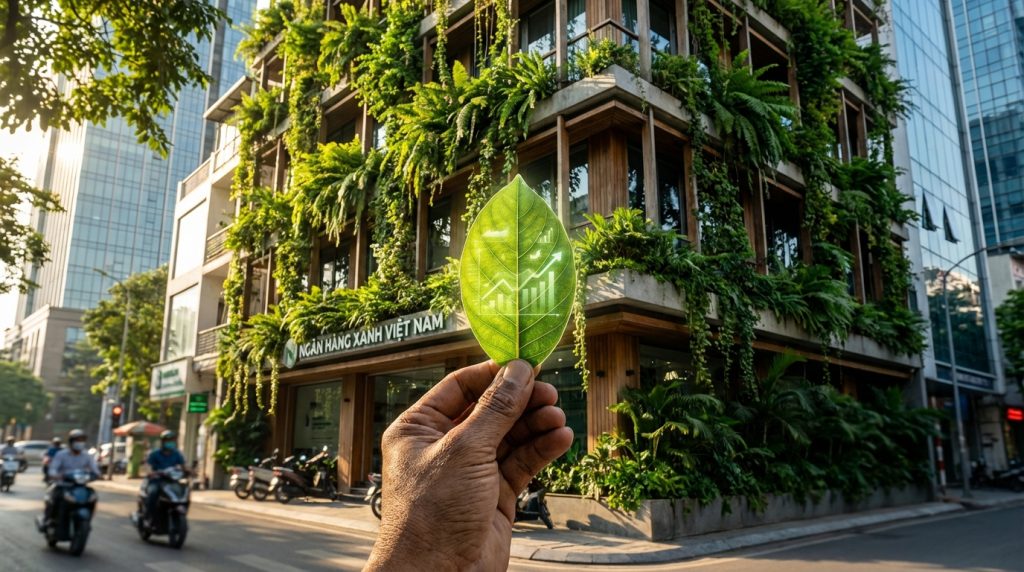
Why Vietnamese Banks Prioritize Eco-Loans
Several factors drive this prioritization. Firstly, regulatory pressure is increasing. The State Bank of Vietnam encourages green banking practices. Secondly, there’s growing investor demand. Investors are seeking sustainable investment opportunities. Consequently, banks are aligning their lending with these demands. This also helps them manage risks better. Environmental risks can impact financial stability.
Furthermore, corporate clients are demanding green financing. Businesses want to improve their sustainability profiles. They are looking for partners who can support their green initiatives. This creates a symbiotic relationship. Banks provide the capital. Businesses implement eco-friendly practices. This leads to a more sustainable economy.
Key Drivers for Green Lending
- Regulatory Push: Government policies and incentives.
- Investor Demand: Growing interest in ESG investments.
- Market Opportunity: Accessing new customer segments.
- Risk Management: Mitigating environmental and climate risks.
- Corporate Demand: Supporting clients’ sustainability goals.
Types of Eco-Friendly Loans Offered
Vietnamese banks are offering a range of green loan products. These are designed to meet diverse environmental needs. For instance, renewable energy projects are a major focus. This includes solar power and wind energy installations. Also, energy efficiency upgrades in industrial facilities are supported. This helps businesses reduce their carbon footprint.
Sustainable agriculture is another key area. Loans are provided for organic farming. They also support climate-resilient crops. Water management projects also receive funding. This includes efficient irrigation systems. Waste management and recycling initiatives are also eligible. These loans are crucial for a circular economy.
Examples of Green Loan Applications
- Financing solar panel installations for homes and businesses.
- Loans for electric vehicles and charging infrastructure.
- Funding for energy-efficient building retrofits.
- Support for sustainable forestry and reforestation projects.
- Investment in waste-to-energy facilities.
These initiatives align with broader sustainability goals. They contribute to Vietnam’s Net Zero Vietnam 2050 roadmap. This strategic focus is essential for long-term growth.
The Role of FinTech in Green Finance
FinTech companies are vital enablers. They offer technology solutions. These solutions streamline green lending processes. For example, AI-powered platforms can assess project sustainability. They can also monitor loan performance against environmental metrics. Blockchain technology can enhance transparency. It can track the impact of green investments.
Furthermore, FinTech can help de-risk green projects. They can provide better data for risk assessment. This is particularly useful for SMEs. Many small businesses need access to green capital. FinTech can bridge this gap. They can create innovative digital tools. These tools can simplify loan applications and approvals.
FinTech Solutions for Green Banking
- ESG Data Platforms: For project evaluation and reporting.
- AI-driven Credit Scoring: Assessing green project viability.
- Blockchain for Transparency: Tracking fund disbursement and impact.
- Digital Lending Platforms: Streamlining loan application processes.
- Impact Measurement Tools: Quantifying environmental benefits.
These innovations are crucial for scaling green finance. They make it more accessible and efficient. This aligns with the broader push for financial inclusion models.
Challenges and Opportunities for CFOs
CFOs face several challenges. Accurately measuring and reporting environmental impact is one. Developing standardized green loan criteria is another. There’s also the need for skilled personnel. These individuals must understand both finance and sustainability. However, the opportunities are significant. Green finance can attract new investors. It can also enhance brand reputation. Furthermore, it can lead to cost savings through efficiency improvements.
FinTech startups can partner with banks. They can offer expertise in these areas. For instance, they can develop robust impact measurement frameworks. They can also provide training and support. This collaboration is key to overcoming challenges. It unlocks the full potential of green finance.
Navigating the Green Finance Landscape
- Data Management: Implementing systems for environmental data.
- Talent Development: Training staff in green finance principles.
- Standardization: Adopting clear and consistent green criteria.
- Innovation: Embracing new technologies like AI and blockchain.
- Collaboration: Partnering with FinTech and other stakeholders.
Ultimately, embracing green finance is a strategic move. It positions companies for future success. It also contributes to a healthier planet. This aligns with the imperative to go green or go home.
The Future of Green Lending in Vietnam
The trend towards green finance is accelerating. We can expect more innovative products. These will likely include green bonds and sustainability-linked loans. Digitalization will play an even larger role. AI and big data will enable more sophisticated risk assessment. Also, greater collaboration between banks, FinTech, and regulators is anticipated. This cooperative approach will drive further growth.
As Vietnam continues its economic development, green finance will be central. It ensures that growth is sustainable. It also aligns with global climate action efforts. For CFOs and FinTech startups, this is a dynamic and promising sector. Understanding its nuances is essential for navigating the future.
Frequently Asked Questions (FAQ)
What is green finance?
Green finance refers to financial products and services that support environmentally sustainable projects. This includes investments in renewable energy, energy efficiency, pollution prevention, and sustainable resource management.
Why are Vietnamese banks prioritizing green loans?
Vietnamese banks are prioritizing green loans due to government encouragement, increasing investor demand for ESG investments, corporate demand for sustainable financing, and the need to manage environmental risks.
How can FinTech startups contribute to green finance?
FinTech startups can contribute by providing innovative technology solutions for ESG assessment, impact measurement, transparency through blockchain, and streamlining the loan application process.
What are some common types of green loans offered by Vietnamese banks?
Common green loans include those for renewable energy projects (solar, wind), energy-efficient upgrades, sustainable agriculture, clean transportation, water management, and waste recycling initiatives.
What are the main challenges for CFOs in adopting green finance?
Key challenges include accurately measuring and reporting environmental impact, standardizing green loan criteria, and developing staff expertise in sustainability and finance.
Conclusion
Vietnamese banks are making significant strides in prioritizing eco-friendly loans. This is a crucial step towards a sustainable future. The integration of green finance is not just a trend; it’s a fundamental shift. It offers substantial opportunities for growth and innovation. FinTech plays a pivotal role in this transformation. By leveraging technology, banks can enhance their green lending capabilities. CFOs must embrace these changes. They must adapt their strategies to capitalize on the green finance revolution. This proactive approach will ensure both financial success and environmental stewardship. It’s a win-win for businesses and the planet.
