
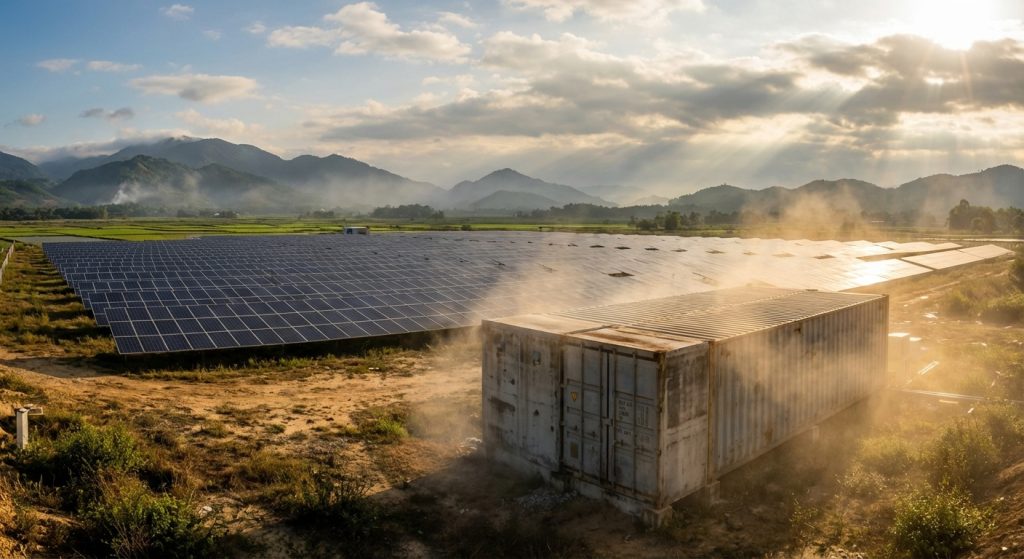
Vietnam’s renewable energy sector is booming. Solar power, in particular, has seen rapid growth. However, this success story faces a critical challenge: energy storage. Specifically, the battery crisis in VN solar farms is hindering further development. This issue impacts grid stability and investment prospects. Investors and grid engineers need to understand these challenges. They also need to explore potential solutions.
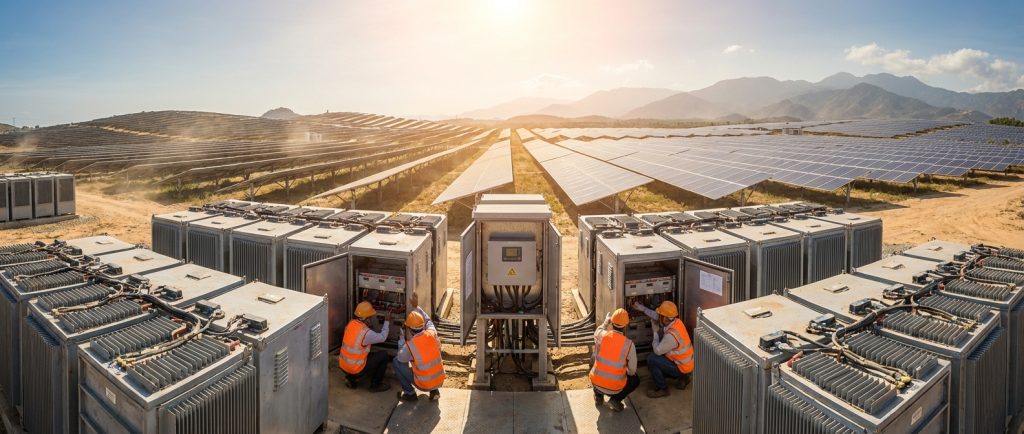
The Rapid Rise of Solar in Vietnam
Vietnam has ambitious renewable energy goals. The government actively promotes solar power adoption. This has led to a surge in solar farm installations. Rooftop solar is also gaining traction. Consequently, the country’s clean energy capacity is expanding. This transition is vital for meeting growing energy demands. It also helps Vietnam reduce its carbon footprint. Furthermore, it aligns with global climate objectives.
Several factors drive this growth. Supportive government policies are key. These include feed-in tariffs and tax incentives. Falling technology costs also play a significant role. Investors see great potential in Vietnam’s sunny climate. The country offers a favorable market for renewable energy.
The Critical Need for Energy Storage
Solar power is intermittent. The sun doesn’t always shine. This variability poses a challenge for grid stability. Energy storage systems are essential. They store excess solar energy generated during peak times. This stored energy can then be released when needed. This includes periods of low solar generation or high demand. Therefore, batteries are crucial for a reliable solar grid.
Without adequate storage, solar farms can be less effective. They might have to curtail production. This means wasting generated energy. It also limits their contribution to the grid. Effective storage ensures a consistent power supply. It smooths out the fluctuations from solar output. This is vital for maintaining grid balance.
Vietnam’s Battery Crisis Explained
Despite the need, Vietnam faces a significant battery crisis. Several issues contribute to this problem. Firstly, the supply chain for batteries is complex. Importing large-scale battery systems can be costly. There are also logistical challenges. These include customs procedures and transportation. Secondly, the upfront cost of battery storage is substantial. This deters many project developers.
Moreover, the technological landscape is evolving rapidly. Choosing the right battery technology is difficult. There’s a need for reliable and cost-effective solutions. The current market in Vietnam may not fully meet these demands. Consequently, many solar farms lack sufficient battery storage. This directly impacts their operational efficiency and grid integration.
Supply Chain and Import Hurdles
Importing batteries is not always straightforward. Vietnam relies heavily on foreign manufacturers. This dependence creates vulnerabilities. Supply chain disruptions can occur. Geopolitical factors can also impact availability. Furthermore, import duties and taxes add to the cost. This makes battery storage less economically viable.
The lack of local battery manufacturing exacerbates this issue. Developing domestic production capabilities is a long-term goal. However, it requires significant investment and expertise. Until then, Vietnam remains susceptible to global supply chain fluctuations. This is a major concern for energy security.
High Costs and Investment Barriers
The initial investment for large-scale battery storage is considerable. This is a significant barrier for investors. Project developers often prioritize solar panel installation. Battery systems are seen as an additional, sometimes optional, expense. This perception needs to change. Batteries are not optional; they are integral to a functional solar grid.
The return on investment for battery storage can also be uncertain. Pricing mechanisms for stored energy are still developing. This creates financial risk for investors. Clearer regulatory frameworks are needed. These should support battery storage projects. They should also provide predictable revenue streams.
Technological and Integration Challenges
Choosing the right battery technology is crucial. Lithium-ion batteries are common. However, other technologies are emerging. Each has its own pros and cons. Factors like lifespan, efficiency, and safety must be considered. Integrating these systems with existing solar infrastructure is also complex. It requires specialized knowledge and skilled personnel.
The grid itself needs to be ready for large-scale battery integration. This includes upgrading grid infrastructure. It also involves developing smart grid technologies. These technologies help manage distributed energy resources effectively. Vietnam is investing in grid modernization. However, this is a continuous process.
Consequences for Grid Stability and Investment
The battery crisis has direct consequences. Grid operators face challenges managing intermittent solar power. This can lead to grid instability. It might even cause blackouts during peak demand. Thus, the reliability of the entire energy system is at stake.
For investors, the lack of storage presents risks. It limits the potential revenue from solar farms. It also increases operational challenges. This can make investment less attractive. Consequently, the pace of renewable energy deployment slows down. This hinders Vietnam’s climate goals.
Curtailment of Solar Power
When solar generation exceeds demand and storage capacity, curtailment occurs. This means solar farms must reduce their output. This is a direct loss of revenue for operators. It also represents wasted clean energy. Therefore, curtailment is a clear indicator of insufficient storage.
This practice undermines the economic viability of solar projects. It also defeats the purpose of investing in renewables. Effective battery storage can significantly reduce curtailment. It allows excess energy to be stored. This energy can be used later.
Impact on Investor Confidence
Investors are cautious. They look for stable and predictable returns. The current situation in Vietnam presents uncertainties. The lack of robust battery storage infrastructure raises concerns. It suggests potential grid instability. It also points to regulatory gaps.
Confidence in the market can be shaken. This can lead to reduced investment. It might also drive investors to other markets. Therefore, addressing the battery crisis is crucial for attracting and retaining capital. It signals a mature and reliable renewable energy sector.
Potential Solutions and Future Outlook
Fortunately, solutions are emerging. Vietnam can explore several avenues. Firstly, government incentives for battery storage are vital. These could include tax breaks or subsidies. Secondly, fostering domestic battery manufacturing is key. This would reduce import reliance. It would also lower costs over time.
Furthermore, international partnerships can help. Collaborating with technology providers can bring expertise. Pilot projects can test new solutions. Grid modernization efforts must continue. Smart grid technologies are essential. They enable better integration of renewables and storage.
Government Incentives and Policy Support
The government plays a pivotal role. Clear policies are needed to encourage battery adoption. This could involve mandates for storage capacity. It might also include financial incentives. These incentives should target both utility-scale and distributed storage.
Streamlining import procedures for batteries is also important. This can reduce lead times and costs. A stable regulatory environment is paramount. It provides the certainty investors need. Vietnam’s commitment to renewables is strong. Policies must reflect this commitment for storage.
Developing Domestic Manufacturing and Supply Chains
Investing in local battery production is a strategic move. It creates jobs. It also builds technological capacity. This reduces dependence on foreign suppliers. It can lead to more tailored solutions for the Vietnamese market. However, this requires significant capital and R&D investment.
Collaborating with international firms can accelerate this process. Technology transfer and joint ventures are beneficial. Building a robust domestic supply chain is a long-term endeavor. But it’s essential for energy independence.
Technological Advancements and Grid Modernization
The energy storage market is dynamic. Exploring advanced battery chemistries is important. These might offer better performance or lower costs. Flow batteries and solid-state batteries are examples. Smart grid technologies are equally critical. They allow for dynamic management of energy flow.
Investing in grid upgrades is non-negotiable. This includes enhancing transmission and distribution networks. It also involves deploying advanced metering and control systems. A modern, flexible grid is necessary to handle high levels of variable renewables. This is a complex undertaking. It requires sustained investment and planning.
International Collaboration and Pilot Projects
Vietnam can benefit from global expertise. Partnering with leading energy storage companies is wise. These partnerships can facilitate technology transfer. They can also help implement best practices. Pilot projects are invaluable. They allow testing of new technologies in real-world conditions.
These projects can demonstrate the viability of battery storage. They can also provide data for future policy decisions. International financial institutions can also play a role. They can provide funding and technical assistance. This accelerates the deployment of storage solutions.
Conclusion
Vietnam’s solar energy journey is impressive. However, the battery crisis poses a significant hurdle. Addressing this challenge is critical for sustained growth. It ensures grid stability and attracts investment. By implementing supportive policies, fostering domestic industries, and embracing technological innovation, Vietnam can overcome this obstacle. The future of its renewable energy sector depends on it. Grid engineers and energy investors must collaborate. They must work towards integrated solutions. This will unlock Vietnam’s full solar potential.
Frequently Asked Questions
What is the main challenge facing Vietnam’s solar farms?
The primary challenge is the lack of adequate battery energy storage systems. This leads to issues with grid stability and efficiency.
Why is battery storage so important for solar power?
Solar power is intermittent. Batteries store excess energy generated during sunny periods. They then release it when the sun isn’t shining or demand is high. This ensures a stable and reliable power supply.
What factors contribute to Vietnam’s battery crisis?
Key factors include complex import supply chains, high upfront costs of battery systems, and technological integration challenges.
How can Vietnam overcome its battery storage challenges?
Solutions involve government incentives, developing domestic battery manufacturing, modernizing the grid, and fostering international collaboration.
What is the outlook for renewable energy storage in Vietnam?
The outlook is positive if these challenges are addressed proactively. With the right strategies, Vietnam can build a robust energy storage infrastructure.
