
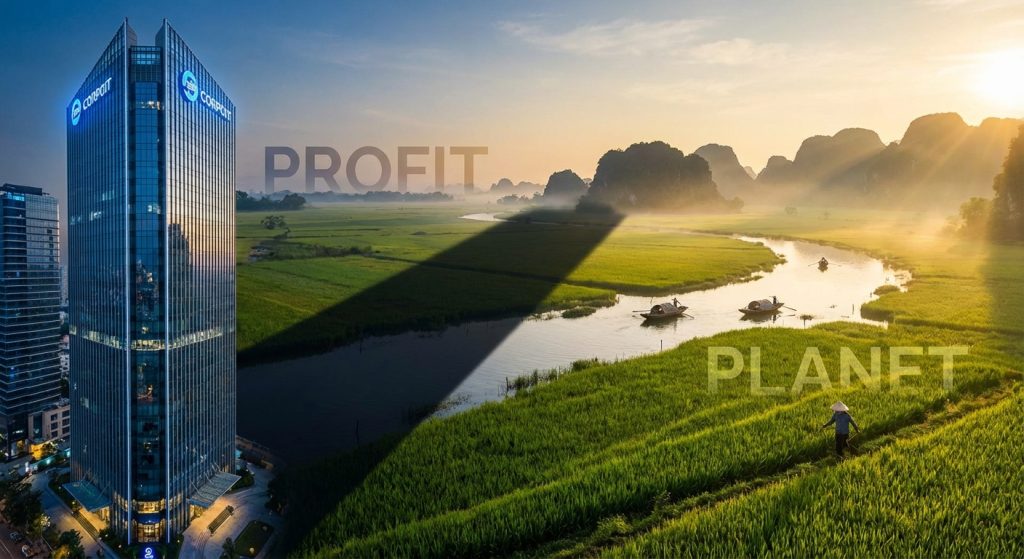
The business world is changing. Investors and consumers demand more. They want companies to be responsible. This means considering the environment and society. It also means good governance. This is ESG: Environmental, Social, and Governance. But is ESG always ethical? This article explores the ethics of ESG. We will focus on Vietnam. The goal is to balance profit with planetary survival. It’s a complex challenge for businesses everywhere.
The Rise of ESG in Vietnam
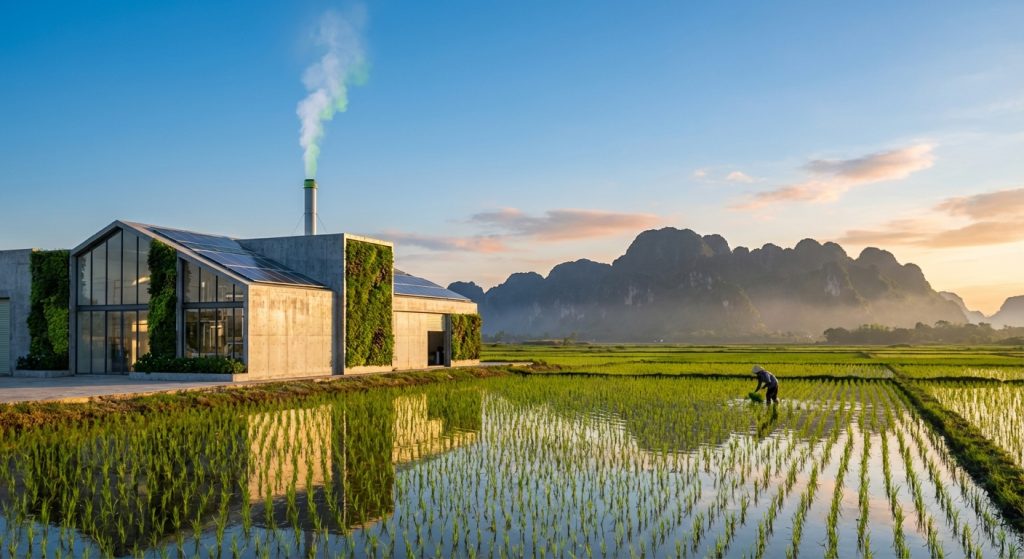
Vietnam’s economy is growing fast. Businesses are increasingly adopting ESG principles. Many see it as a competitive advantage. It can attract investment. It can also improve brand reputation. Furthermore, it can lead to long-term sustainability. For example, many Vietnamese banks are now prioritizing eco-friendly loans. This is a significant shift towards green finance. Many companies understand that ignoring ESG is risky. Indeed, Vietnam’s ESG imperative is clear: go green or risk falling behind by 2026.
However, adopting ESG is not always straightforward. There are many challenges. Some companies struggle with data collection. Others face a lack of expertise. Greenwashing is also a concern. This is when companies make false claims about their environmental or social performance. It misleads stakeholders. It undermines genuine ESG efforts.
Ethical Dilemmas in ESG Implementation
The core ethical question is this: can profit and planetary survival truly coexist? ESG frameworks aim to answer this. They provide a structure for businesses. This structure helps them measure their impact. However, the implementation can raise ethical concerns. For instance, a company might invest in renewable energy. This is good for the planet. Yet, if this investment comes at the expense of worker safety, it raises ethical questions.
Another dilemma is the focus on quantifiable metrics. ESG often relies on numbers. This can lead to a superficial approach. Companies might focus on ticking boxes. They may not address the root causes of their negative impact. Therefore, a genuine commitment to ethical practices is crucial. It goes beyond mere compliance.
The ‘E’ in ESG: Environmental Responsibility
Environmental factors are critical. They include carbon emissions, waste management, and resource use. Vietnam faces significant environmental challenges. It has a long coastline. It is vulnerable to climate change. Therefore, environmental stewardship is paramount. Companies need to reduce their carbon footprint. They should also adopt sustainable resource management.
For instance, waste-to-energy projects are gaining traction. Turning Saigon’s trash into electricity is one such initiative. This tackles waste management. It also provides clean energy. Additionally, many companies are exploring renewable energy sources. However, challenges remain. Vietnam’s solar boom, for example, has hit a battery roadblock. This shows the need for integrated solutions.
Furthermore, water stewardship is vital. Manufacturing sectors in Vietnam must manage their river use responsibly. This is crucial for maintaining water quality and availability for communities and ecosystems. Understanding and mitigating nature impact is also essential. This involves tracking biodiversity loss and its corporate causes.
The ‘S’ in ESG: Social Impact
The social aspect of ESG is equally important. It covers labor practices, human rights, and community engagement. In Vietnam, this includes ensuring fair wages. It means promoting worker health and diversity. Companies must also ensure safe working conditions. This is especially true in complex supply chains. Auditing labor and environmental impacts is key here.
Moreover, human rights due diligence is a growing concern. Companies must ensure they are not complicit in human rights abuses. This applies across their entire value chain. Building a diverse and inclusive workforce is also a social imperative. This can lead to better talent retention. It also fosters innovation.
The ‘G’ in ESG: Governance and Ethics
Good governance is the foundation of ethical ESG. It ensures transparency and accountability. It includes board oversight and executive compensation structures. Linking executive pay to ESG performance is becoming common. This incentivizes better corporate behavior. Transparent ESG reporting is also crucial. It builds trust with stakeholders. It helps prevent greenwashing.
Ethical AI is another area of governance. As AI becomes more integrated into business, ensuring its ethical use is vital. This builds trust in intelligent systems. Ultimately, good governance ensures that ESG principles are not just a marketing tool. They are embedded in the company’s DNA.
Navigating the Nuances: Vietnam’s Context
Vietnam’s unique context presents specific challenges and opportunities. Its rapid industrialization means environmental pressures are high. However, its rich biodiversity and natural resources also offer opportunities for sustainable development. For example, the rise of eco-leathers from pineapple and mushroom in Vietnam shows innovation. This offers sustainable alternatives in the fashion industry.
The concept of a “blue economy” is also gaining importance. This involves sustainable fishing and ocean energy. Vietnam’s vast coastline makes this a promising area. Furthermore, impact investing is crucial. It fuels social startups. It directs capital towards positive change.
Carbon credits offer another avenue. They can provide new income for Vietnamese forest owners. This incentivizes forest conservation. However, navigating carbon offset scams is also important. Verifying real forest growth is key to ensuring these schemes are effective.
Challenges and Criticisms of ESG
Despite its potential, ESG faces significant criticism. One major issue is the lack of standardized metrics. This makes comparison difficult. It also opens the door for greenwashing. As mentioned earlier, spotting fake eco-claims is a growing concern.
Another criticism is the potential conflict between profit and purpose. Some argue that ESG metrics can distract from core business objectives. They might even hinder profitability. However, many studies show the opposite. Companies with strong ESG performance often outperform their peers financially. For example, ESG alpha in emerging markets is a growing area of interest.
The effectiveness of ESG in driving genuine planetary survival is also debated. Critics argue that current ESG frameworks are insufficient. They may not go far enough to address systemic issues. Therefore, a more radical shift might be needed. This could involve embracing a circular economy. In a circular economy, products are designed to last. They are then reused or recycled, minimizing waste.
The Path Forward: Towards True Sustainability
Balancing profit with planetary survival requires a deep commitment. It means moving beyond superficial compliance. It requires genuine integration of ESG principles into business strategy. This involves innovation and long-term thinking.
Vietnam has immense potential in areas like renewable energy. The country is looking at a Net Zero 2050 roadmap. This is especially important for heavy industry. Clean tech infrastructure is also crucial. Investing in it will drive future growth. Furthermore, sustainable supply chains need to be a priority. This means auditing both labor and environmental impacts.
Ultimately, the ethics of ESG depend on its implementation. When done authentically, ESG can be a powerful force for good. It can drive positive change. It can help businesses thrive while protecting our planet. It requires a conscious effort. It demands a willingness to prioritize long-term well-being over short-term gains. This is the true challenge for philosophers and economists alike.
Frequently Asked Questions
What is ESG and why is it important for businesses in Vietnam?
ESG stands for Environmental, Social, and Governance. It is important for businesses in Vietnam because it helps attract investment, improve brand reputation, and ensure long-term sustainability. Many companies see it as a competitive advantage in a rapidly changing market.
What are the main ethical concerns surrounding ESG?
Ethical concerns include the potential for greenwashing (making false environmental claims), the focus on quantifiable metrics over genuine impact, and the inherent tension between maximizing profit and prioritizing planetary survival.
How does Vietnam’s specific context influence ESG implementation?
Vietnam’s rapid industrialization presents environmental challenges, but its rich biodiversity and growing economy also offer opportunities. Initiatives like waste-to-energy projects, green finance, and the development of a blue economy are examples of how Vietnam is adapting ESG principles.
What is greenwashing and how can it be avoided?
Greenwashing is the practice of making misleading claims about a company’s environmental or social practices. It can be avoided through transparent reporting, using standardized metrics where possible, and ensuring that ESG initiatives are genuinely integrated into the company’s core strategy rather than being superficial marketing efforts.
Can ESG truly balance profit with planetary survival?
Many experts believe it can, especially when ESG is deeply integrated into business strategy. Studies suggest that strong ESG performance often correlates with better financial returns. However, it requires a genuine commitment to sustainability and a willingness to prioritize long-term well-being over short-term profits.
