Zero-Waste Cities: Global Models for Hanoi & Saigon
Published on February 9, 2026 by Admin
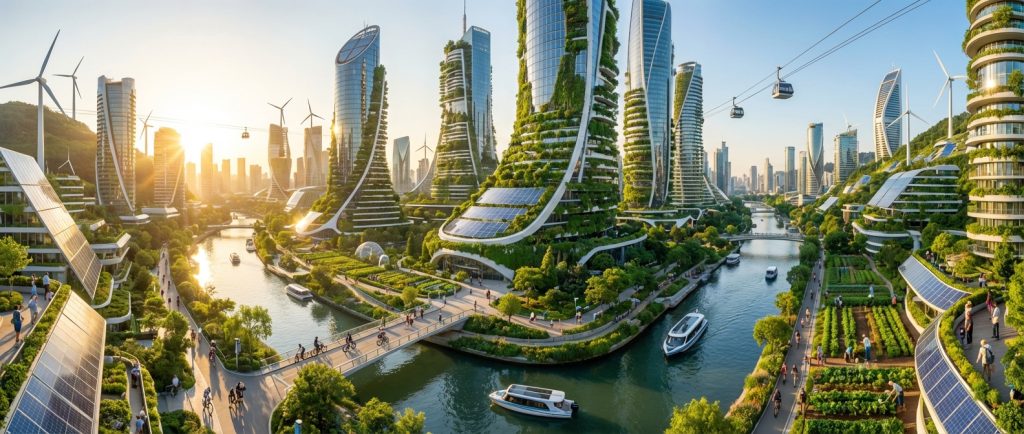
The world faces a growing waste crisis. Cities, especially, are major contributors. Managing waste is a significant challenge. This is especially true for rapidly developing urban centers like Hanoi and Saigon. Therefore, learning from global models is crucial. These models offer practical solutions for a sustainable future. They show us how to transition towards zero-waste living.
A zero-waste city aims to eliminate waste sent to landfills and incinerators. It focuses on reducing, reusing, and recycling. It also emphasizes composting and circular economy principles. This approach benefits both the environment and the economy. It conserves resources. It also creates green jobs. Moreover, it improves public health and quality of life.
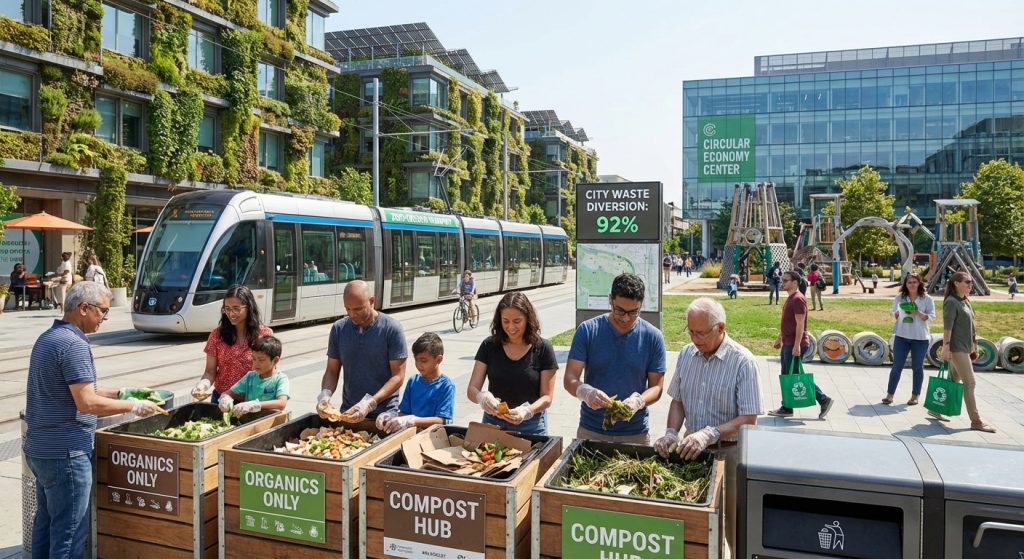
The Imperative for Zero-Waste in Vietnam’s Urban Centers
Hanoi and Saigon are vibrant economic hubs. However, they also grapple with immense waste generation. Rapid urbanization and population growth exacerbate this issue. Traditional waste management systems often struggle. They are frequently overwhelmed by the sheer volume. Landfills are filling up. Pollution from waste impacts air and water quality. This directly affects public health. Furthermore, it harms the environment. The economic cost of managing this waste is also substantial.
Therefore, adopting a zero-waste strategy is not just an environmental goal. It is an economic and social necessity. It offers a path to greater resource efficiency. It can also stimulate innovation. This approach can transform waste from a problem into a resource. It aligns with Vietnam’s broader sustainability goals. It also positions cities as leaders in environmental stewardship.
Global Pioneers: Lessons in Zero-Waste Strategies
Several cities worldwide have made significant strides towards zero waste. Their experiences provide valuable blueprints. We can learn from their successes and challenges.
San Francisco, USA: A Comprehensive Approach
San Francisco is a leading example. It has a ambitious diversion rate goal. This means diverting waste from landfills. The city mandates composting and recycling for all residents and businesses. Their programs are extensive. They include curbside collection of recyclables and food scraps. Furthermore, they have strong public education campaigns. These campaigns are vital for community buy-in. The city also has policies that ban certain single-use items. This proactive approach reduces waste at the source. For instance, their mandatory composting ordinance has been highly effective. It captures organic waste that would otherwise go to landfill. This organic waste is then turned into compost. This is a prime example of a circular economy in action. Their success highlights the importance of policy, infrastructure, and public engagement.
Kamikatsu, Japan: The Village of Zero Waste
Kamikatsu is a small village. It has achieved an impressive 80% waste recycling rate. What makes Kamikatsu unique is its community-driven approach. Residents meticulously sort their waste into over 45 categories. This granular sorting facilitates high recycling rates. They also embrace reuse and repair. There is a “Kuru Kuru” shop where residents can exchange items. This fosters a strong sense of community responsibility. Moreover, the village actively promotes local production and consumption. This reduces packaging waste. Kamikatsu demonstrates that even small communities can achieve remarkable results. Their dedication shows the power of individual action and collective commitment. It is a testament to a deep respect for resources.
Seoul, South Korea: Technology and Policy Integration
Seoul has implemented a comprehensive waste management system. They utilize advanced technology. This includes smart bins that monitor waste levels. They also have policies that encourage waste reduction. For example, a volume-based waste fee system charges residents based on the amount of trash they produce. This incentivizes reduction and recycling. Seoul also invests heavily in public education. They promote waste separation and responsible consumption. Furthermore, the city has a robust food waste recycling program. This program turns food waste into fertilizer and animal feed. Their approach shows how technology and smart policies can work together. They achieve significant waste diversion. This makes their model highly relevant for large urban areas.
Other Inspiring Models:
Many other cities offer valuable insights. For example, Ljubljana, Slovenia, has been recognized as a European Green Capital. It achieved high recycling rates through extensive separate collection systems. Buenos Aires, Argentina, has implemented successful community-based composting initiatives. These cities collectively show that zero waste is achievable through diverse strategies.
Key Strategies for Hanoi and Saigon
Based on these global examples, Hanoi and Saigon can adopt several key strategies. These strategies must be tailored to their specific contexts. They need to consider cultural factors, existing infrastructure, and economic realities.
1. Robust Waste Separation at Source
This is fundamental. Residents and businesses must be educated. They need to separate waste into recyclables, organics, and residual waste. This requires clear guidelines. It also demands convenient collection systems. For instance, similar to Seoul’s volume-based fee system, policies can be introduced to incentivize waste reduction. This could involve charging for unsorted waste. Therefore, clear public awareness campaigns are crucial. These campaigns should highlight the benefits of separation. They can also explain the process. For example, educating households on how to compost food scraps at home can be very effective.
2. Expanding and Improving Recycling Infrastructure
Cities need modern recycling facilities. These facilities should be capable of handling diverse materials. Investment in sorting technology is essential. This ensures that collected recyclables are processed efficiently. Partnerships with the private sector can help build and operate these facilities. Moreover, creating markets for recycled materials is vital. This makes recycling economically viable. This could involve supporting local businesses that use recycled content. For instance, promoting plastic-free manufacturing can drive demand for recycled plastics.
3. Comprehensive Organic Waste Management
Food scraps and yard waste constitute a large portion of urban waste. Composting and anaerobic digestion are effective solutions. These methods turn organic waste into valuable resources. Compost can be used as fertilizer. Biogas from anaerobic digestion can be a source of renewable energy. This is similar to initiatives seen in Saigon’s trash-to-energy projects. Therefore, establishing widespread collection systems for organic waste is paramount. Community-level composting programs, like those in Kamikatsu, can also be encouraged. This decentralizes waste management and fosters community involvement.
4. Promoting Reuse and Repair Culture
Reducing waste at its source is more effective than managing it later. This involves fostering a culture of reuse and repair. This can be achieved through:
- Supporting repair cafes and workshops.
- Encouraging second-hand markets.
- Implementing policies that promote product longevity and repairability.
For example, a city-wide campaign promoting the reuse of bags and containers would significantly cut down on single-use plastics. This aligns with the broader concept of a circular economy.
5. Policy and Legislation
Strong governmental support is crucial. This includes enacting policies that:
- Ban problematic single-use items.
- Incentivize waste reduction and recycling.
- Hold producers responsible for their waste (Extended Producer Responsibility).
- Support the development of green businesses.
For instance, a ban on plastic bags, similar to policies in other Asian countries, could be implemented. This would be a significant step towards reducing plastic pollution.
6. Public Education and Engagement
Ultimately, success depends on public participation. Continuous education and engagement are vital. This involves:
- School programs on waste reduction.
- Community workshops and events.
- Clear and accessible information through various media channels.
Engaging local communities and informal waste workers is also important. Their inclusion ensures a more equitable and effective transition. For example, integrating informal waste pickers into formal recycling systems can improve livelihoods and efficiency.
Challenges and Opportunities
Implementing a zero-waste strategy is not without its challenges. These include the need for significant investment in infrastructure. There is also the challenge of changing deeply ingrained consumer habits. Furthermore, the informal waste sector needs careful consideration and integration. However, the opportunities are immense.
A zero-waste approach can create new green jobs. It can foster local innovation in waste management and resource recovery. It can also attract investment in sustainable technologies. Moreover, it will lead to a cleaner, healthier urban environment. This improved environment will enhance the quality of life for residents. It also strengthens the city’s appeal for tourism and business. The shift towards a circular economy is a global trend. Vietnam’s cities can become leaders in this transition.
Frequently Asked Questions (FAQ)
What is a zero-waste city?
A zero-waste city aims to eliminate all waste sent to landfills and incinerators. It prioritizes reducing, reusing, and recycling materials. It also focuses on composting and the principles of a circular economy. The goal is to minimize environmental impact and conserve resources.
Why is waste management a challenge for Hanoi and Saigon?
Rapid urbanization, growing populations, and increasing consumption lead to massive waste generation. Existing infrastructure often struggles to cope with the volume and complexity of waste. This results in landfill overflow and environmental pollution.
How can citizens contribute to a zero-waste city?
Citizens can contribute significantly by practicing waste separation at home. This includes recycling, composting organic waste, and reducing consumption of single-use items. Reusing and repairing goods also plays a crucial role. Participating in community initiatives further supports the goal.
What is the role of policy in achieving zero waste?
Policy and legislation are critical. They can mandate waste separation, ban problematic materials like single-use plastics, and incentivize reduction and recycling. Extended Producer Responsibility (EPR) schemes, which make producers responsible for their products’ end-of-life, are also important.
Are there economic benefits to zero-waste initiatives?
Yes, there are significant economic benefits. Zero-waste strategies create green jobs in collection, sorting, recycling, and composting. They also reduce the costs associated with landfill management and environmental remediation. Furthermore, they can stimulate innovation and new business models. For example, initiatives in waste-to-energy, like those explored in Saigon, can generate revenue and power.
Conclusion
The journey towards a zero-waste city is ambitious. However, it is an essential undertaking for Hanoi and Saigon. By learning from global pioneers and adapting successful strategies, these cities can build a more sustainable future. This requires a concerted effort. It needs commitment from government, businesses, and citizens alike. The transition to zero waste is not just about managing trash. It is about creating resilient, healthy, and prosperous urban environments for generations to come. It represents a fundamental shift in how we value and manage resources.