
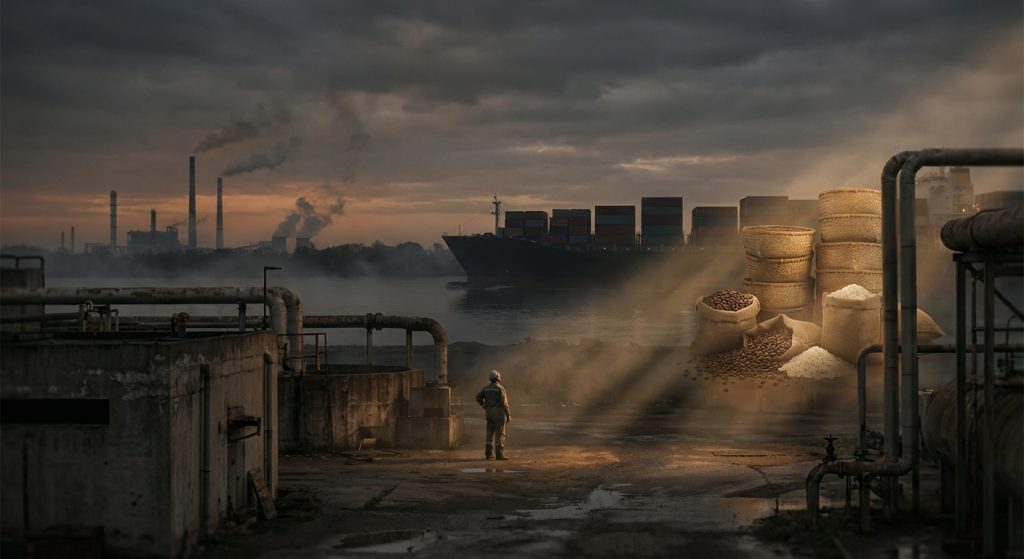
The global push for sustainability is reshaping international trade. Carbon taxes are a key policy tool in this transition. They aim to make polluting activities more expensive. This directly impacts the cost of goods. For Vietnam, a major exporting nation, this presents both challenges and opportunities. Understanding the cost of carbon is therefore crucial for its manufacturers and trade experts.
This article explores carbon taxes. It examines their growing influence on global markets. Specifically, it focuses on the potential impact on Vietnam’s export sector. We will discuss how these policies work. We will also look at the implications for Vietnamese businesses. Finally, we will consider strategies for adaptation and growth.
Understanding Carbon Taxes
A carbon tax is a fee imposed on greenhouse gas emissions. It is typically levied on fossil fuels. The goal is to internalize the external costs of pollution. These costs include climate change impacts. They also include public health issues.
Governments implement carbon taxes for several reasons. Firstly, they encourage a shift towards cleaner energy sources. Secondly, they incentivize businesses to reduce their carbon footprint. Thirdly, the revenue generated can fund green initiatives. It can also support vulnerable communities affected by the transition.
The concept is simple: the more carbon a product or process emits, the higher its cost. This price signal drives innovation. It also promotes more sustainable consumption patterns. Many countries, including those in the European Union and Canada, already have carbon pricing mechanisms in place. This trend is expanding globally.
The Global Landscape of Carbon Pricing
Carbon pricing is no longer a fringe concept. It is becoming a mainstream policy. The European Union’s Carbon Border Adjustment Mechanism (CBAM) is a prime example. CBAM aims to level the playing field. It prevents ‘carbon leakage’. This occurs when companies move production to countries with less stringent climate policies.
CBAM will require importers to pay a carbon price. This price will be equivalent to what EU producers pay under the EU Emissions Trading System. As a result, goods exported to the EU will effectively bear the cost of their carbon emissions. This mechanism will significantly influence global trade flows. It will also drive demand for lower-carbon products.
Other nations are also adopting or strengthening their carbon pricing policies. This creates a global imperative for emissions reduction. Businesses worldwide must now account for the carbon cost of their operations and products. This is especially true for energy-intensive industries.
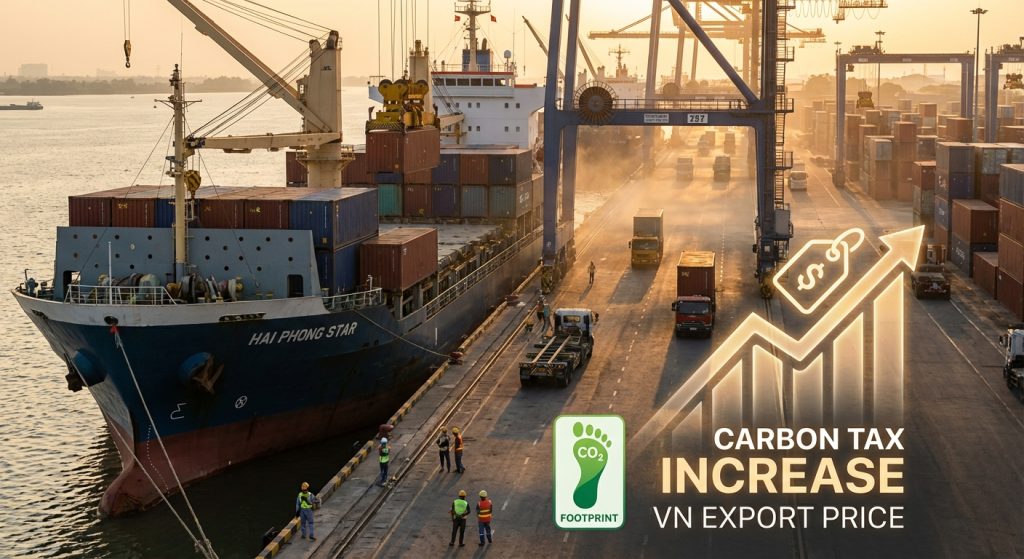
Impact on Vietnam’s Exports
Vietnam is a major global exporter. Its economy relies heavily on sectors like textiles, electronics, agriculture, and footwear. Many of these industries are energy-intensive. They also have complex supply chains. Therefore, carbon taxes and border adjustments pose a significant challenge.
Firstly, increased production costs will likely result from carbon pricing. This could make Vietnamese goods less competitive in markets with strict carbon regulations. For instance, EU importers facing CBAM will seek to reduce their costs. They might opt for suppliers with lower carbon footprints. This could lead to a loss of market share for Vietnamese firms if they do not adapt.
Secondly, supply chain emissions are a growing concern. Many Vietnamese exports involve components sourced globally. Each stage of production and transportation adds to the carbon footprint. As more countries implement carbon pricing, these upstream emissions will also become a cost factor. This makes comprehensive carbon management essential.
However, there are also opportunities. Vietnam can leverage this global shift to its advantage. By proactively reducing its carbon footprint, it can gain a competitive edge. This involves investing in renewable energy. It also means improving energy efficiency in manufacturing processes. Furthermore, adopting sustainable sourcing practices is key.
Specific Sectoral Impacts
- Textiles and Garments: This sector is a major employer and exporter. It is also energy-intensive. Factories often rely on coal-fired power. Implementing carbon taxes could increase production costs significantly. This might affect competitiveness, especially in markets like the EU.
- Electronics: Manufacturing electronic goods requires substantial energy. Furthermore, the global supply chains involved can lead to high transportation emissions. Vietnam needs to focus on greener manufacturing and logistics.
- Agriculture: While often perceived as less carbon-intensive, agriculture has its own emissions. These include methane from livestock and nitrous oxide from fertilizers. Sustainable farming practices and reduced reliance on synthetic inputs are becoming more important.
- Footwear: Similar to textiles, footwear production can be energy-intensive. Material sourcing and transportation also contribute to the carbon footprint. Innovation in material science and cleaner production methods are vital.
The impact will vary across sectors. However, the overarching trend is clear: carbon emissions are becoming a tangible cost. Businesses that ignore this will face increasing difficulties.
Strategies for Adaptation and Resilience
To navigate the evolving landscape of carbon pricing, Vietnamese businesses must adopt proactive strategies. This is not just about compliance; it’s about future-proofing operations and enhancing competitiveness.
Investing in Renewable Energy
Transitioning to renewable energy sources is paramount. Vietnam has significant potential for solar and wind power. Businesses can invest in on-site solar installations. They can also source electricity from renewable providers. This directly reduces their Scope 1 and Scope 2 emissions. It also lowers their reliance on volatile fossil fuel prices. This move aligns with Vietnam’s commitment to Net Zero by 2050.
Enhancing Energy Efficiency
Improving energy efficiency across all operations is crucial. This includes upgrading machinery, optimizing production processes, and implementing smart energy management systems. Even small improvements can lead to substantial cost savings and emissions reductions. This is a fundamental step for any manufacturer looking to reduce their environmental impact.
Sustainable Supply Chain Management
Businesses need to scrutinize their entire supply chains. This involves working with suppliers who also prioritize sustainability. It means understanding the carbon footprint of raw materials and logistics. Traceability and transparency are key. Companies might explore sustainable supply chain practices to gain a competitive advantage.
Carbon Accounting and Reporting
Accurate carbon accounting is essential. Businesses must measure their greenhouse gas emissions. This includes Scope 1 (direct), Scope 2 (indirect from purchased energy), and Scope 3 (value chain) emissions. Transparent reporting builds trust with international partners. It also helps identify areas for improvement. Tools like AI for ESG data integrity can be invaluable here.
Innovation and Green Technologies
Embracing innovation is vital. This could involve adopting new, low-carbon technologies. It might also mean developing new green products or services. For example, exploring eco-friendly materials or processes can open up new market opportunities.
Leveraging Carbon Credits
Vietnam has opportunities in the carbon credit market. Projects focused on reforestation and forest management can generate carbon credits. These credits can provide an additional revenue stream. They also support environmental conservation efforts. Companies can explore carbon credits for forest owners as a way to monetize emission reductions.
Policy and Government Support
The Vietnamese government plays a critical role in facilitating this transition. Clear policies and supportive measures are essential.
- Incentives for Green Investment: Providing tax breaks or subsidies for renewable energy adoption and energy efficiency upgrades can accelerate progress.
- Regulatory Framework: Developing a clear roadmap for carbon pricing and emissions reporting will help businesses plan effectively.
- Capacity Building: Offering training and resources to help businesses understand and manage their carbon footprint is crucial.
- International Cooperation: Engaging in dialogue with trading partners about carbon policies will ensure a smoother transition.
- Promoting ESG Standards: Encouraging businesses to adopt Environmental, Social, and Governance (ESG) principles can drive holistic sustainability. This is becoming increasingly important for attracting investment, as highlighted by discussions on ESG in Vietnam.
Government support can significantly ease the burden on businesses. It can also foster a more competitive and sustainable export sector.
Frequently Asked Questions (FAQ)
What is a carbon tax?
A carbon tax is a fee imposed by governments on greenhouse gas emissions. It makes activities that produce carbon pollution more expensive. This is done to encourage businesses and individuals to reduce their emissions.
How will carbon taxes affect Vietnamese exports?
Carbon taxes can increase the cost of production for Vietnamese goods. This might make them less competitive in countries with carbon pricing policies. However, it also creates an opportunity for Vietnamese businesses to gain an advantage by adopting greener practices.
What is CBAM and how does it relate to Vietnam?
CBAM stands for Carbon Border Adjustment Mechanism. It is an EU policy that puts a carbon price on imports. This ensures that the price of carbon is the same for domestic and imported goods. Vietnamese exporters to the EU will need to account for the carbon emissions of their products.
What are the main strategies for Vietnamese businesses to adapt?
Key strategies include investing in renewable energy, improving energy efficiency, managing supply chains sustainably, accurate carbon accounting, and embracing green innovation. Government support and policy frameworks are also vital.
Can carbon taxes be beneficial for Vietnam?
Yes, while challenging, carbon taxes can be beneficial. They can drive innovation, encourage a shift to cleaner energy, and create opportunities for businesses that adopt sustainable practices. Vietnam can also benefit from the growing carbon credit market.
Conclusion
The era of carbon pricing is here. Carbon taxes and border adjustments are reshaping global trade. For Vietnam, this presents a critical juncture. The cost of carbon is no longer an abstract environmental concern; it is a tangible economic factor. Vietnamese trade experts and manufacturers must understand these implications.
By embracing sustainability, investing in green technologies, and adapting their business models, Vietnamese companies can not only mitigate risks but also unlock new opportunities. Proactive engagement with carbon pricing mechanisms and a commitment to reducing emissions will be key to maintaining competitiveness and ensuring long-term prosperity in the global market. The journey towards a low-carbon economy is an imperative, and early adaptation will pave the way for a more resilient and sustainable future for Vietnamese exports.
