
Vietnam’s Textile Loop: Turning Old Clothes into New Fibers
Published on February 9, 2026 by Admin
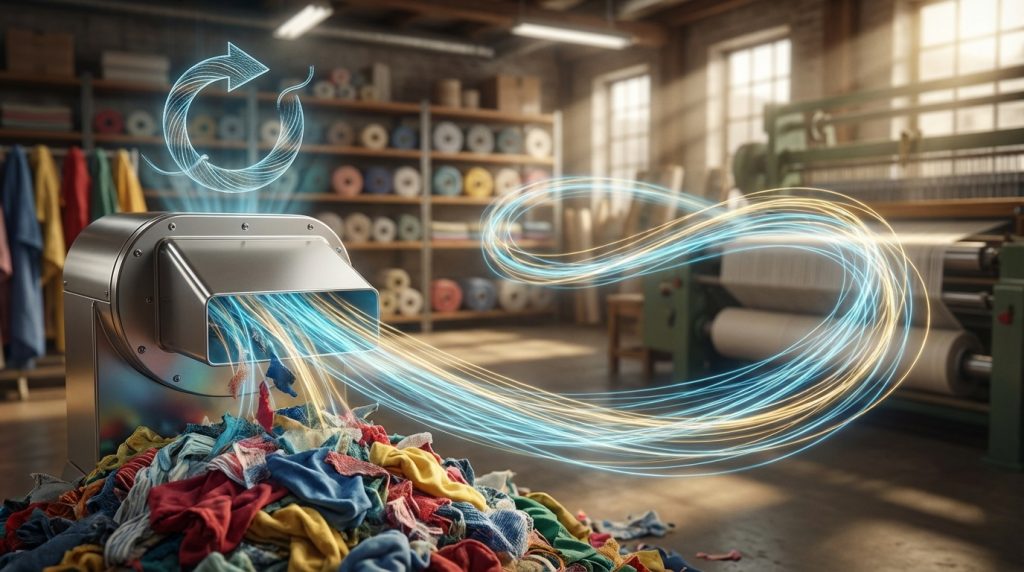
The fashion industry is a global powerhouse. It also faces significant environmental challenges. Textile waste is a major concern. Vietnam is emerging as a leader in sustainable textile solutions. Specifically, it’s transforming old clothes into new fibers. This creates a circular economy for textiles. This approach is vital for a greener future.
The Growing Problem of Textile Waste
Fast fashion has a dark side. It encourages a throwaway culture. Millions of tons of clothing end up in landfills each year. This waste pollutes land and water. It also releases greenhouse gases. Conventional textile production is resource-intensive. It uses vast amounts of water and energy. It also relies heavily on virgin materials. Therefore, finding sustainable alternatives is crucial.
Vietnam, a major garment producer, is feeling this pressure. The sheer volume of discarded textiles is immense. This presents both a challenge and an opportunity. It’s an opportunity to innovate. It’s also a chance to embrace a more responsible model. This shift is essential for long-term sustainability.
Introducing the Circular Textile Loop
The circular textile loop is a game-changer. It aims to keep materials in use. Instead of discarding clothes, they are recycled. Old textiles are broken down. They are then transformed into new fibers. These fibers can create new garments. This process reduces the need for virgin resources. It also significantly cuts down on waste. It’s a closed-loop system. It mimics nature’s own cycles.
Furthermore, this model benefits the economy. It creates new jobs. It fosters innovation in recycling technologies. For Vietnam, this means strengthening its position. It can move beyond just manufacturing. It can become a hub for textile circularity. This is a significant step forward.
The Process: From Old to New
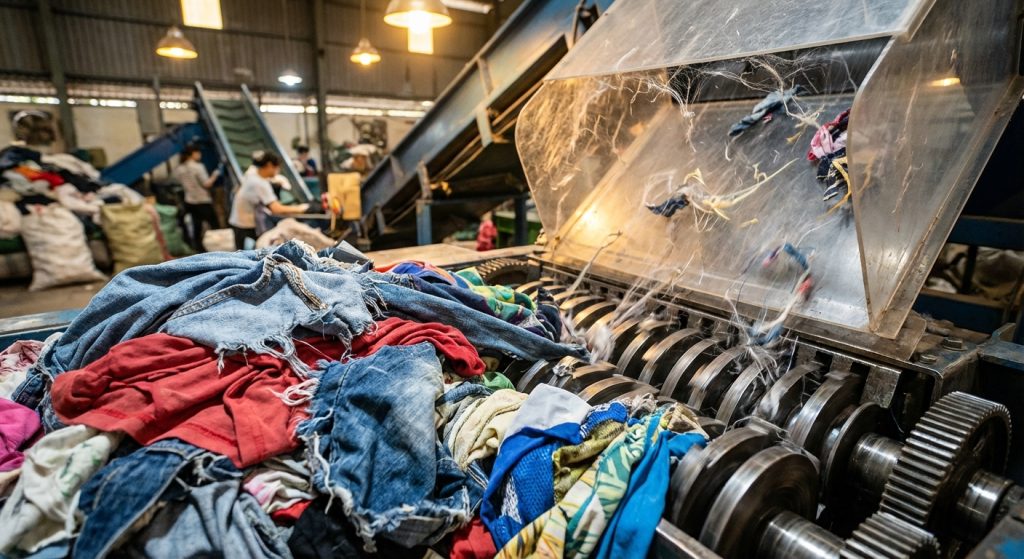
Recycling old clothes into new fibers involves several key steps. Firstly, collected garments are sorted. They are separated by material type and color. This is a critical stage. It ensures the quality of the recycled fibers. Then, the textiles undergo mechanical or chemical processing. Mechanical recycling involves shredding. It breaks down the fabric into smaller pieces. These pieces are then spun into new yarn. Chemical recycling uses solvents. It dissolves the fabric’s components. These are then re-spun into fibers. Both methods have their advantages. They also require advanced technology.
Moreover, innovation is key. New technologies are constantly emerging. These improve efficiency and reduce environmental impact. For instance, some processes can even recycle blended fabrics. This was once a significant challenge. Therefore, the future looks promising.
Vietnam’s Role in Textile Recycling
Vietnam’s textile and garment industry is vast. It has the infrastructure to support large-scale recycling. Many factories already have the machinery. They also have the skilled workforce. This provides a strong foundation. It allows for rapid adoption of new technologies. Additionally, government support is growing. Policies are being introduced. These encourage sustainable practices. They also incentivize investment in recycling.
Furthermore, local businesses are embracing this change. They see the economic and environmental benefits. For example, some companies are investing heavily. They are setting up dedicated recycling plants. Others are partnering with international firms. This collaboration brings expertise and capital. It accelerates the development of the sector.
Challenges and Opportunities
Despite the progress, challenges remain. Collecting and sorting vast quantities of post-consumer waste is complex. Contamination from non-textile materials can be an issue. The technology for recycling certain blended fabrics is still evolving. Also, educating consumers is important. They need to understand the value of recycling. They must also participate actively.
However, the opportunities are immense. Vietnam can become a global leader. It can export recycled fibers and textiles. It can attract foreign investment. It can also reduce its own environmental footprint. This creates a more resilient industry. It aligns with global sustainability goals. The textile industry’s shift towards circularity is not just a trend. It is a necessity.
The Economic and Environmental Impact
The economic benefits are substantial. Recycling textiles creates new value chains. It reduces reliance on imported raw materials. This can improve trade balance. It also generates green jobs. These are jobs in collection, sorting, processing, and manufacturing. Furthermore, it can lead to cost savings for brands. Recycled materials are often cheaper than virgin ones.
Environmentally, the impact is profound. It significantly reduces landfill waste. It conserves water and energy. It lowers greenhouse gas emissions. For example, recycling cotton uses far less water. It also requires less energy than producing new cotton. This contributes to fighting climate change. It also helps preserve natural resources. Therefore, the circular textile loop is a win-win.
The Future of Fashion in Vietnam
The trend towards circularity is set to accelerate. Consumers are increasingly demanding sustainable products. Brands are responding to this demand. They are looking for eco-friendly solutions. Vietnam is well-positioned to meet this need. The country can become a hub for innovation. It can lead the way in textile recycling. This will shape the future of fashion. It will make it more responsible and sustainable.
Moreover, technological advancements will play a key role. New methods for fiber separation and recycling will emerge. These will make the process more efficient. They will also become more cost-effective. This will further drive adoption. Ultimately, Vietnam’s textile industry is on a path of transformation. It’s moving towards a circular economy. This is a positive development for the planet and the industry.
Frequently Asked Questions (FAQs)
What exactly is the circular textile loop?
The circular textile loop is a system designed to keep textile materials in use. Instead of discarding clothes, they are collected, recycled into new fibers, and then used to create new products. This minimizes waste and reduces the need for virgin resources.
How does Vietnam benefit from textile recycling?
Vietnam benefits economically by creating new jobs in the recycling sector and reducing reliance on imported raw materials. Environmentally, it significantly reduces landfill waste and conserves resources like water and energy. It also strengthens its position as a sustainable textile producer.
What are the main challenges in textile recycling?
Key challenges include the efficient collection and sorting of diverse textile waste, managing contamination, and developing effective technologies for recycling blended fabrics. Consumer awareness and participation are also crucial.
Are there different methods for recycling textiles?
Yes, there are primarily two methods: mechanical recycling, which shreds fabrics into fibers for spinning into new yarn, and chemical recycling, which uses solvents to break down fabrics into their component materials for re-spinning.
How can consumers contribute to the circular textile loop?
Consumers can contribute by donating old clothes for recycling, choosing brands that use recycled materials, and supporting businesses committed to sustainable fashion practices. Repairing and repurposing clothes also plays a role.
Conclusion
The circular textile loop in Vietnam represents a significant leap forward. It offers a sustainable solution to textile waste. By transforming old clothes into new fibers, Vietnam is not only reducing its environmental impact. It is also driving economic growth and innovation. This shift is crucial for the future of fashion. It demonstrates a commitment to a greener planet. Therefore, embracing these circular practices is essential for textile giants and fashionistas alike.
