
Mekong Water Rights: Navigating Cross-Border Sovereignty
Published on February 9, 2026 by Admin
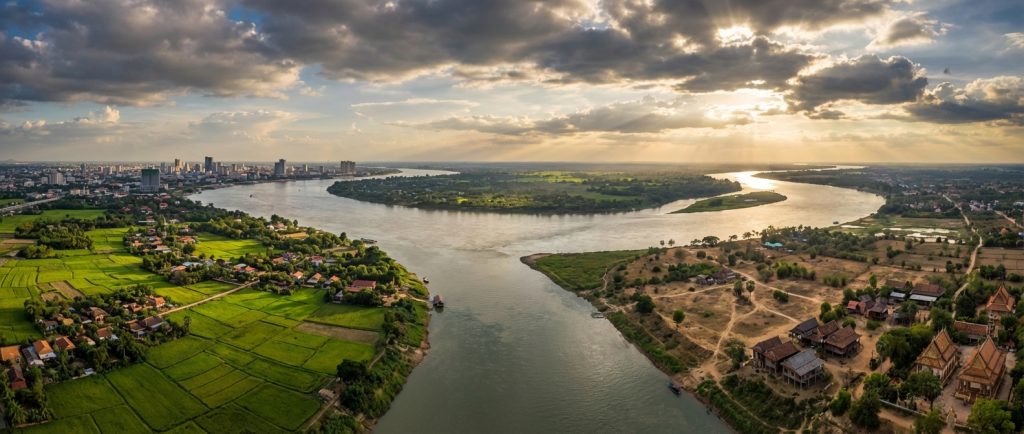
The Mekong River is a lifeline. It flows through six nations. These include China, Myanmar, Laos, Thailand, Cambodia, and Vietnam. This vital waterway supports millions. It provides water for drinking, farming, and industry. However, managing its resources is complex. Cross-border water rights create significant challenges. Water sovereignty is a critical issue for geopolitical stability and environmental health.
Disputes over water use are common. Upstream dams impact downstream flows. This affects agriculture and ecosystems. Climate change exacerbates these issues. Droughts and floods become more extreme. Therefore, effective management is essential. International cooperation is key to ensuring sustainable water use.
The Mekong’s Lifeline: A Shared Resource
The Mekong River basin is incredibly diverse. It is home to rich biodiversity. It also supports vibrant cultures. The river’s flow is not static. It changes with seasons and rainfall. Furthermore, human activities significantly alter its natural state. Dams, irrigation, and industrial use all draw from its waters. This creates competition among riparian states.
Historically, water management was local. Now, it is a global concern. The Mekong’s health affects regional economies. It also impacts food security for millions. Understanding the complexities of water rights is crucial. This understanding is vital for peace and prosperity in the region.
Challenges in Cross-Border Water Management
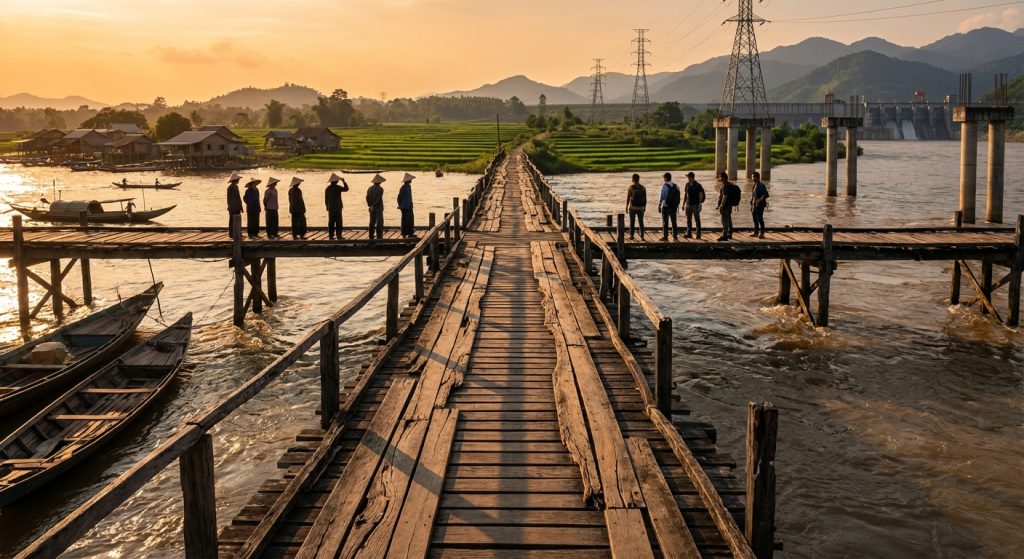
Several factors complicate water management. Firstly, there is a lack of unified data. Nations often have different monitoring systems. This makes it hard to agree on water levels. Secondly, development priorities differ. Some countries prioritize hydropower. Others focus on agriculture or navigation. These competing interests often clash.
Furthermore, the Mekong River Commission (MRC) faces limitations. Its mandate is largely advisory. It lacks enforcement power. Therefore, agreements rely on goodwill. This can be fragile in times of scarcity. Moreover, climate change adds another layer of complexity. Shifting rainfall patterns create uncertainty. Extreme weather events strain existing infrastructure.
The Impact of Upstream Development
China’s role as an upper riparian state is significant. It operates several large dams. These dams regulate water flow. They also impact sediment transport. Sediment is vital for delta fertility. Its reduction affects agriculture in downstream countries. For example, Vietnam’s Mekong Delta relies heavily on this sediment. Reduced flow can also increase salinity intrusion.
Laos is also developing hydropower. Its dams contribute to regional energy needs. However, they also alter river flow. Thailand and Cambodia also use water extensively. They rely on irrigation for agriculture. Therefore, upstream actions have ripple effects. These effects are felt far downstream.
Climate Change and Water Scarcity
Climate change intensifies water challenges. It leads to more unpredictable weather. Droughts are becoming more frequent and severe. This reduces water availability. Conversely, floods are also increasing. These events cause widespread damage. They disrupt agriculture and infrastructure.
Water scarcity can lead to conflict. It puts pressure on resources. This can strain diplomatic relations. Therefore, adaptation strategies are crucial. Building resilience is key. This includes investing in water-efficient technologies. It also means diversifying water sources.
The Concept of Water Sovereignty
Water sovereignty refers to a state’s control over its water resources. This includes managing and using water within its borders. However, for transboundary rivers like the Mekong, this concept is challenged. No single nation has absolute control. Shared resources require shared responsibility.
The principle of “equitable and reasonable utilization” is important. It suggests that all riparian states have a right to use the water. However, they must do so without causing significant harm to others. This principle is enshrined in international water law. Yet, its application is often debated.
International Legal Frameworks
Several international agreements touch upon transboundary waters. The UN Watercourses Convention is a key example. It provides a framework for managing shared rivers. However, not all Mekong countries are parties to it. This creates gaps in legal coherence. The MRC Agreement also guides cooperation. It promotes joint planning and data sharing.
Nonetheless, enforcement remains a challenge. Sovereignty often takes precedence. This can hinder collaborative efforts. Finding a balance between national interests and regional needs is difficult. Therefore, diplomatic solutions are paramount.
Traditional vs. Modern Water Use
Historically, communities lived in harmony with the river. Their water use was sustainable. It was adapted to natural cycles. Modern development has changed this. Large-scale projects have altered the river’s character. This includes dams and extensive irrigation systems. These systems require significant water volumes.
Consequently, traditional practices are sometimes overlooked. Modern needs often conflict with older methods. Balancing these different demands is complex. It requires careful planning and consideration. For instance, the use of water for agriculture is massive. This often competes with other needs. The article on drought-resistant rice for the Mekong Delta highlights one such critical need.
Strategies for Sustainable Water Management
Effective water management requires a multi-faceted approach. Firstly, enhanced cooperation is essential. This means strengthening institutions like the MRC. It also involves building trust among nations. Regular dialogue and data sharing are crucial. Transparency is key to building confidence.
Secondly, technological solutions are vital. This includes investing in water-saving irrigation. It also means exploring advanced water treatment. Atmospheric water harvesting is another potential solution. These technologies can help manage scarcity. They also reduce reliance on traditional sources. The exploration of advanced desalination and atmospheric harvesting for water sovereignty is detailed in Water Sovereignty: Advanced Desalination & Atmospheric Harvesting.
Data Sharing and Transparency
Accurate and shared data is fundamental. Nations must commit to transparent reporting. This includes water levels, dam operations, and rainfall. Real-time data allows for better forecasting. It also enables proactive responses to issues. For example, early warnings for floods or droughts can save lives. Increased transparency builds trust. It reduces suspicion between riparian states.
Investing in Water-Efficient Technologies
Adopting water-efficient technologies is critical. Drip irrigation is one such example. It delivers water directly to plant roots. This minimizes evaporation. Smart agriculture technologies can also help. They use sensors to monitor soil moisture. This optimizes water use. Furthermore, recycling and reusing water in industries is important. This reduces overall demand. The title “Drip Irrigation AI: Saving Every Drop in the Highlands” from a related field hints at the potential of such technologies.
Promoting Integrated Water Resource Management (IWRM)
IWRM is a holistic approach. It considers all aspects of water use. This includes environmental, social, and economic factors. It aims to balance competing demands. It also promotes stakeholder participation. Local communities must be involved. Their traditional knowledge is valuable. IWRM ensures that water management is sustainable. It benefits everyone in the long run.
The Role of Geopolitics and Diplomacy
Water management on the Mekong is inherently political. Geopolitical considerations play a large role. Power dynamics between nations influence negotiations. China’s dominant position upstream is a key factor. Its decisions have a significant impact. Therefore, diplomatic engagement is crucial.
Building a framework for cooperation is essential. This requires sustained dialogue. It also needs a commitment to peaceful resolution of disputes. The goal is to ensure water security for all. This benefits regional stability. It also supports economic development. Good water governance is a cornerstone of peace. It is also vital for environmental protection.
Conclusion: Towards Shared Water Security
Water sovereignty in the Mekong is a complex challenge. It involves balancing national interests with regional needs. Upstream development, climate change, and differing priorities create hurdles. However, these challenges are not insurmountable. Through enhanced cooperation, transparency, and investment in water-efficient technologies, a sustainable future is possible.
The Mekong River is a shared resource. Its effective management requires collective action. By embracing principles of equitable utilization and integrated water resource management, riparian states can ensure water security. This will benefit both people and the environment. Ultimately, it fosters greater regional stability and prosperity.
Frequently Asked Questions
What is water sovereignty?
Water sovereignty refers to a nation’s right and ability to control, manage, and use its water resources. For transboundary rivers, this concept is complicated as no single nation has absolute control.
Why is the Mekong River important?
The Mekong River is vital for millions of people across six countries. It provides water for drinking, agriculture, fisheries, and transportation, supporting diverse economies and ecosystems.
How do upstream dams affect downstream countries?
Upstream dams can alter water flow, reduce sediment transport crucial for fertility, and potentially increase salinity intrusion in downstream deltas, impacting agriculture and freshwater availability.
What is the Mekong River Commission (MRC)?
The MRC is an intergovernmental organization that works to promote sustainable management and development of the Mekong River basin. However, its role is largely advisory.
How does climate change impact the Mekong?
Climate change leads to more extreme weather, including intensified droughts and floods, which disrupt water availability and increase the risk of water-related disasters in the Mekong region.
What is Integrated Water Resource Management (IWRM)?
IWRM is a process that promotes coordinated development and management of water, land, and related resources to maximize economic and social welfare without compromising ecosystem sustainability.
