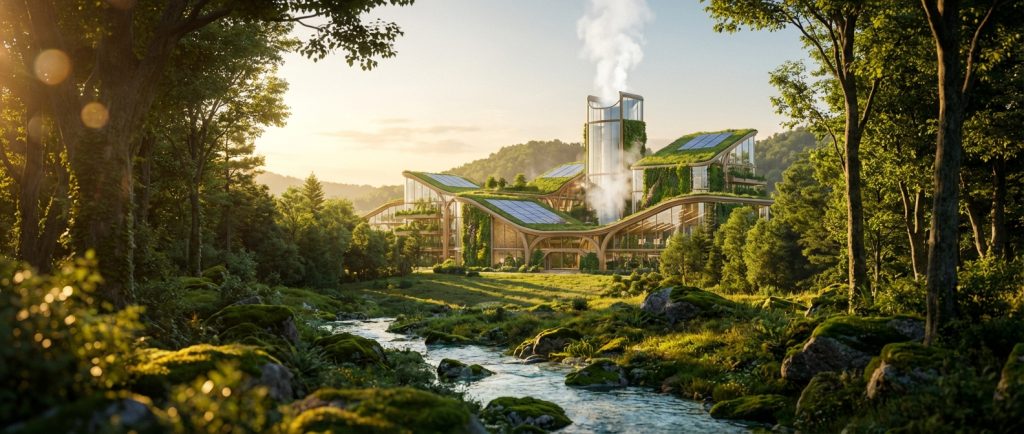
Building a new factory is a significant undertaking. It promises economic growth and jobs. However, it also poses a threat to the environment. Specifically, it can harm local biodiversity. This is where biodiversity offsetting comes in. It’s a tool designed to compensate for this environmental impact. But can it truly work? Can we build our factories and still protect nature?
This article explores the concept of biodiversity offsetting. We will look at its promise and its pitfalls. We will also consider its effectiveness for industrial planners and ecologists alike.
What is Biodiversity Offsetting?
Biodiversity offsetting is a method to compensate for unavoidable harm to biodiversity. This harm often comes from development projects. These projects can include building factories, roads, or housing. When a project impacts a natural habitat, offsetting aims to create a benefit elsewhere. This benefit should ideally be equivalent to the loss incurred.
Essentially, it’s about achieving “no net loss” or even a “net gain” for biodiversity. This is done by protecting or restoring habitats somewhere else. The goal is to ensure that the overall amount and quality of biodiversity remain the same or improve.
For example, imagine a new factory needs to clear a small forest area. This forest is home to certain plant and animal species. To offset this, the developer might fund the restoration of a degraded wetland nearby. This wetland restoration would aim to support similar species or increase overall ecological value.
Why is Biodiversity Offsetting Needed?
Development is essential for economic progress. New infrastructure and industries create jobs and improve living standards. However, these activities often occur in areas with significant ecological value. Habitat destruction is a major driver of biodiversity loss. This loss can have far-reaching consequences.
These consequences include:
- Loss of ecosystem services (like clean water and air).
- Reduced resilience to climate change.
- Loss of potential new medicines or scientific discoveries.
- Ethical concerns about our impact on other species.
Biodiversity offsetting aims to reconcile these competing demands. It provides a mechanism to allow development while mitigating its environmental footprint. Without such mechanisms, many essential development projects might face insurmountable opposition. Therefore, it’s seen as a pragmatic approach.
How Does Biodiversity Offsetting Work?
The process typically involves several key steps. First, a comprehensive environmental impact assessment (EIA) is conducted. This assessment identifies the biodiversity losses expected from the development. It quantures the type, extent, and value of the habitats and species affected.
Next, developers must demonstrate that they have avoided and minimized impacts as much as possible. This is a crucial prerequisite. Offsetting is meant for unavoidable losses only. After this, the offsetting plan is developed. This plan details how the losses will be compensated.
Compensation can take various forms:
- Habitat Protection: Securing existing high-value habitats from future development.
- Habitat Restoration: Actively improving the condition of degraded habitats.
- Habitat Creation: Establishing new habitats where they did not previously exist.
- Species Management: Specific actions to protect or boost populations of affected species.
Finally, there is a monitoring and enforcement phase. This ensures that the offset sites are managed effectively. It also verifies that the intended biodiversity gains are achieved over time. This is often a long-term commitment.
Challenges and Criticisms of Biodiversity Offsetting
Despite its intentions, biodiversity offsetting faces significant criticism. Many ecologists argue that it is not a true replacement for lost nature. They point out several key issues:
1. The “Equivalence” Problem
It is incredibly difficult to perfectly replace a lost habitat. A pristine, old-growth forest cannot be truly replicated by planting new trees. The complex web of interactions, the soil composition, and the established species communities take centuries to develop. Therefore, achieving true equivalence is often considered impossible.
2. Time Lags and Uncertainty
Restored or created habitats take a long time to mature. During this period, there is a significant biodiversity deficit. Furthermore, there is no guarantee that the restoration efforts will be successful. Unforeseen environmental changes or poor management can undermine the entire process. This is particularly true when dealing with sensitive species.
3. Location, Location, Location
Offset sites are often located far from the original development site. This can lead to the loss of local ecological connectivity. It might also disconnect species from their traditional ranges. The ecological context of the offset site matters greatly. For example, restoring a forest in a desert is unlikely to succeed.
4. “Additionality” Concerns
A key principle is that the offset must provide “additional” conservation benefit. This means the conservation actions would not have happened anyway. Critics worry that some offsets simply fund existing conservation projects. In such cases, no new biodiversity gains are actually made.
5. The Risk of Greenwashing
There is a concern that offsetting can be used as a license to destroy nature. Companies might see it as a way to bypass stricter environmental regulations. They can pay to offset impacts rather than invest in more sustainable development practices. This can lead to a net loss of biodiversity, despite the offsetting measures. Identifying greenwashing is crucial for planners.
6. Poor Implementation and Governance
Many offsetting schemes suffer from weak governance. There is often a lack of clear regulations, inadequate funding for long-term management, and insufficient monitoring. This can lead to offsets being poorly designed or never fully implemented. The long-term success of these projects is therefore compromised.
Biodiversity Offsetting in Practice: Key Considerations for Planners
For industrial planners and ecologists, understanding these challenges is vital. When considering biodiversity offsetting, several factors must be prioritized:
- Prioritize Avoidance and Minimization: This is the golden rule. Offsetting should always be the last resort. Design projects to avoid sensitive habitats from the outset. Minimize the footprint of development wherever possible.
- Focus on “Like-for-Like” or “Like-for-Better”: Ideally, offset impacts on a specific habitat with the same type of habitat. If this is not possible, aim to compensate with a habitat of higher ecological value.
- Ensure Genuine Additionality: The conservation actions funded by the offset must be demonstrably new. They should not be activities that would have occurred regardless.
- Long-Term Viability: Secure long-term funding and legal protection for offset sites. Establish robust management plans and reliable monitoring systems. This ensures the offset’s effectiveness over decades.
- Transparency and Accountability: Implement clear reporting mechanisms. Make data on offset performance publicly accessible. This builds trust and allows for scrutiny.
- Robust Legal and Regulatory Frameworks: Strong government oversight is essential. This includes clear guidelines for impact assessment, offset design, and enforcement.
- Local Context Matters: Offset sites should be located as close as possible to the impact site. They should also be ecologically appropriate for the region.
Moreover, the role of robust environmental data cannot be overstated. Understanding existing biodiversity is key to measuring loss and planning effective compensation. For instance, tracking the impact on natural resources is paramount. This is where tools for tracking nature impact become critical.
Alternatives and Complementary Strategies
Biodiversity offsetting is not the only tool available. It should be part of a broader strategy for sustainable development. Other approaches include:
- Ecological Compensation: This is a broader term that can include offsetting but also other forms of ecological restoration or enhancement.
- Conservation Banking: Developers purchase credits from a bank that has already conserved or restored a habitat. This can streamline the process.
- In-Lieu Fee Programs: Developers pay a fee to a government-sponsored entity. This entity then undertakes conservation and restoration projects.
- Payments for Ecosystem Services (PES): This involves compensating landowners or communities for managing their land in ways that provide ecological benefits.
- Nature-Based Solutions: Investing in natural processes to address societal challenges, such as using wetlands for water purification or forests for carbon sequestration.
- Circular Economy Principles: Designing products and processes that minimize waste and resource depletion. This reduces the overall pressure on natural habitats. For example, moving towards plastic-free manufacturing can significantly reduce environmental impact.
These strategies, when combined, can offer a more holistic approach to environmental management. They move beyond simply compensating for damage to actively regenerating and enhancing ecosystems.
The Future of Biodiversity Offsetting
Biodiversity offsetting remains a contentious but increasingly common practice. As development pressures grow, so too does the need for mechanisms that balance economic needs with environmental protection. The key to making offsetting work lies in rigorous implementation, strong governance, and a commitment to genuine ecological outcomes.
For industrial planners, this means looking beyond mere compliance. It involves integrating biodiversity considerations deeply into project design from the earliest stages. For ecologists, it means advocating for robust standards and holding developers accountable. Furthermore, initiatives like biodiversity credits are emerging as new financial models to fund conservation.
Ultimately, the question is not just whether we can compensate for building a factory. It is about how we can build factories in a way that respects and, where possible, enhances the natural world. This requires innovation, collaboration, and a profound shift in how we value biodiversity.
Frequently Asked Questions
What is the main goal of biodiversity offsetting?
The main goal is to ensure that development projects do not result in a net loss of biodiversity. It aims to compensate for unavoidable habitat destruction by protecting or restoring habitats elsewhere.
Can biodiversity offsetting truly replace a lost ecosystem?
Many experts argue that it is extremely difficult, if not impossible, to fully replace a complex, mature ecosystem. Offsetting aims for functional equivalence or improvement, but the loss of unique characteristics and the time lag are significant challenges.
What are the biggest criticisms of biodiversity offsetting?
Major criticisms include the difficulty of achieving true equivalence, time lags in restoration, potential for “greenwashing,” issues with location and connectivity, and concerns about poor implementation and governance.
What is “additionality” in biodiversity offsetting?
Additionality means that the conservation actions taken as an offset must provide a benefit that would not have occurred otherwise. It ensures that offsets are genuinely adding to conservation efforts, not just funding existing or planned activities.
Are there alternatives to biodiversity offsetting?
Yes, other strategies include ecological compensation, conservation banking, in-lieu fee programs, payments for ecosystem services, and adopting circular economy principles to reduce development impacts in the first place.
How can industrial planners ensure their offsets are effective?
Planners should prioritize avoiding and minimizing impacts first. Then, they must ensure offsets are like-for-like or better, add new conservation value, have long-term viability plans, and be transparent about their performance. Strong regulatory frameworks are also crucial.