
Herd Dynamics: Social Structures and Stress in Livestock
Published on December 25, 2025 by Admin
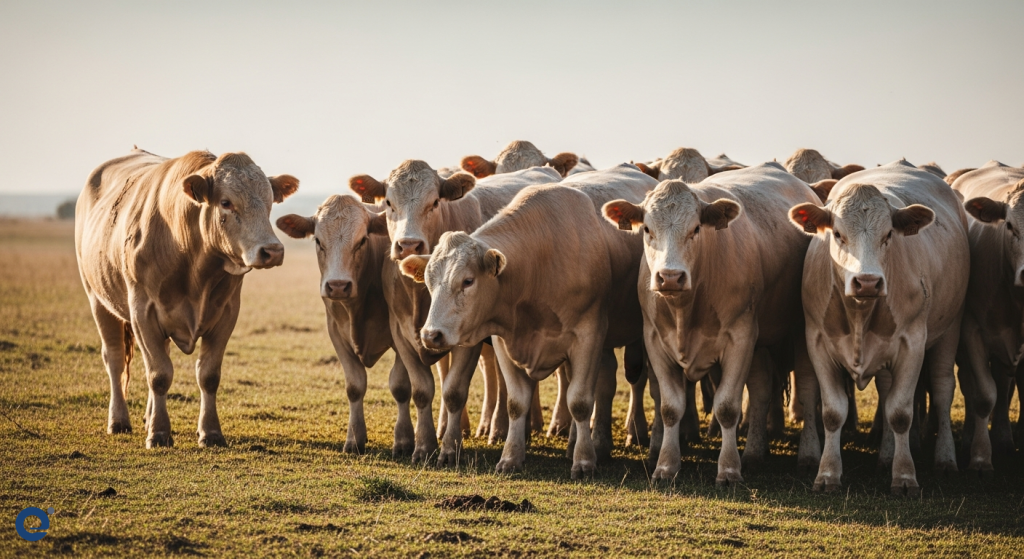
Understanding the intricate social structures and stress responses of herd animals is fundamental for livestock managers and ethologists. This knowledge is key to optimizing animal welfare and productivity. Therefore, a deep dive into their natural behaviors is essential. Herd animals, by nature, rely on group living for survival. This article explores these behaviors, focusing on social hierarchies and how to mitigate stress.
The Instincts of Prey Animals
Many domesticated animals, including horses, cattle, sheep, and goats, are prey species. This means their primary survival mechanism is flight. They evolved to detect and evade predators like cougars, wolves, or bears. Consequently, their ability to quickly outrun threats is paramount for their survival. As humans managing these animals, grasping this inherent flightiness is crucial for effective handling and training. Horses, for instance, are highly perceptive. A stimulus that goes unnoticed by humans can be a significant alarm for them. This natural wariness is often misinterpreted as stubbornness or bad behavior by handlers. However, it’s a vital survival trait.
Prey animals possess a remarkably fast response time. They must react instantly to perceived danger. Fortunately, these animals can be desensitized to frightening stimuli over time. They learn to distinguish between genuine threats and harmless objects. This process helps them avoid constant alarm. Horses, for example, categorize experiences into two main groups: those not to fear (allowing exploration) and those to fear (prompting flight). Therefore, introducing new elements should always be done positively. This positive association is critical for their learning and trust. Horses are also easily dominated. They naturally establish a dominance hierarchy within the herd. Human dominance, when established correctly, can be achieved without causing excessive fear. Horses accept dominance when they are made to move against their will or when their movement is inhibited when they wish to flee. This is observed in practices like using a round pen or when a more dominant animal herds a subordinate one.
The body language of herd animals is a complex communication system. As highly social creatures, they convey emotions and intentions through vocalizations and physical cues. Effective handling requires understanding this unique equine body language. Horses, for example, are precocial species. This means foals are neurologically mature at birth. They are vulnerable immediately after birth and must be able to identify and flee danger swiftly.
Sensory Perception and Danger Detection
A horse’s vision is its primary tool for detecting danger. While their color vision is limited, they can distinguish blue and red from gray hues. However, differentiating yellow and green from gray is more challenging. Their depth perception can be poor when using only one eye. This can lead to misjudging distances, like mistaking a trailer for a tunnel. Binocular vision significantly improves this perception. Horses can instantly shift focus between near and far objects. This is why they often cock their heads. They are also highly attuned to movement. Windy days can make them more skittish because normally stationary objects are now moving, appearing as potential threats. Horses see well at night, though their contrast sensitivity is less than that of cats.
Their panoramic vision covers almost their entire field of view. Only a small area directly in front and behind is a blind spot. It is crucial never to approach a horse from these blind areas without vocalizing. Failure to do so can startle them, triggering defensive reactions like kicking or running. Horses can process information from each eye independently. Like humans, they have a dominant side. However, they need to be taught tasks on both sides. The expression in a horse’s eye can indicate its emotional state. Wide eyes with visible whites often signal fear. Half-closed eyes might suggest sleepiness.
Hearing is another vital sense for horses. Their hearing is far keener than ours. They use it to detect sounds, pinpoint their location, and identify the source of sounds. This acute hearing allows them to receive early warnings of approaching danger. Understanding these sensory capabilities helps us interpret their reactions and manage their environment more effectively.
Herd Dynamics: The Social Fabric
Herd dynamics refer to the social order and behavior patterns within a group of animals. In any herd, intricate relationships form a social hierarchy. This hierarchy significantly impacts individual stress levels, feeding habits, and overall health. These dynamics are not static. They are influenced by factors such as age, size, breed, and temperament. Recognizing these relationships is vital for farmers. Mismanaged herd dynamics can lead to increased aggression, injuries, and stress-related health issues, all of which reduce productivity and welfare.
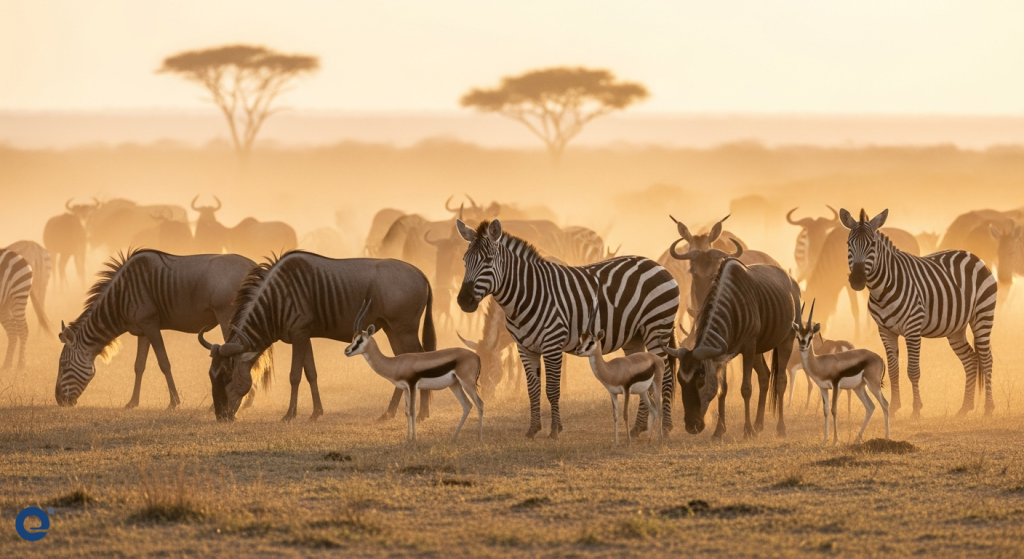
The concept of a herd is beneficial for prey animals in numerous ways. Safety in numbers is a primary advantage. It is far harder for a predator to single out an animal in a large group. Multiple eyes are constantly scanning for danger, providing safety for everyone. If one member detects trouble, it alerts the rest through vocalizations, behavioral changes, or scent cues. Camouflage is another benefit. A large group of similarly colored animals can be visually confusing to predators, making it difficult to identify a single target. This shared vigilance also allows individuals more time to forage for food. With fewer individuals needing to be constantly on alert, more time can be dedicated to essential tasks like feeding.
Knowing these herd behaviors helps minimize stress during moving, handling, and housing. Being part of a group is a fundamental need for herd animals. Isolation is perceived as dangerous and life-threatening. Therefore, herd animals should ideally never be housed or moved in isolation. They require contact with their own species or similar species. This meets a critical welfare need. At a minimum, they should be able to see, hear, and smell herd mates if direct physical contact isn’t possible. This social connection is vital for their psychological well-being.
Stressors and Their Impact on Herd Animals
Stress in livestock can arise from various sources. These include environmental factors, social disruptions, and management practices. For herd animals, social isolation is a major stressor. Being separated from the group can trigger significant anxiety. Changes in social hierarchy, such as introducing new animals, can also be stressful. Aggression between individuals may increase during these transitions. This can lead to injuries and heightened stress levels.
Environmental stressors include extreme temperatures, inadequate shelter, and poor-quality feed. Loud noises or sudden movements can also be alarming, especially for prey species with acute senses. Parasites, such as flies, ticks, and lice, are another significant source of stress. They cause irritation, discomfort, and can lead to reduced feed intake and growth rates. The constant need to scratch or swat at insects diverts energy from essential functions. This irritation can also disrupt social interactions and increase overall tension within the herd.
Management practices, if not handled with care, can also induce stress. Rough handling during transport or veterinary procedures can create negative associations. Inadequate space or poor pen design can lead to overcrowding and competition, increasing stress. Understanding these potential stressors is the first step toward implementing effective stress-reduction strategies. This directly impacts animal welfare and the overall success of livestock operations.
Mitigating Stress Through Understanding and Management
Effective stress management in herd animals hinges on a thorough understanding of their natural behaviors and social structures. Firstly, ensuring adequate social contact is paramount. Whenever possible, avoid isolating herd animals. Provide opportunities for them to interact with conspecifics or similar species. If direct contact isn’t feasible, ensure they can at least see, hear, and smell other animals.
Secondly, managing social hierarchies is important. When introducing new animals, do so gradually and under supervision. Provide ample resources like food and water to minimize competition. This can help prevent excessive aggression and reduce stress for subordinate animals. Thoughtful placement of resources, such as feeding stations or water troughs, can also influence social dynamics. For instance, cattle oilers, while primarily for parasite control, can also become communal focal points. Their presence and positioning can offer insights into social hierarchy and may even reduce stress by alleviating parasite irritation.
Thirdly, creating a calm and predictable environment is crucial. Minimize sudden noises and movements. Handle animals gently and consistently. Provide comfortable housing with adequate space and appropriate bedding. For horses, positive reinforcement in training is essential. Making their first training experiences positive helps them categorize new stimuli as safe. This builds trust and reduces fear-based reactions.
Addressing environmental stressors is also key. Ensure adequate ventilation, temperature control, and protection from adverse weather. Effective parasite control is vital for comfort and health. Modern parasite control strategies, including integrated pest management, can significantly reduce stress caused by ectoparasites. This proactive approach contributes to better overall herd health and productivity. You can learn more about modern parasite control strategies to help manage these issues effectively.
The Role of Grooming and Social Bonding
Grooming behaviors are an essential component of herd dynamics. In cattle, mutual grooming reinforces social bonds and helps establish hierarchy. Cattle oilers, as mentioned, can provide a point for self-grooming. The interactions around these devices can offer valuable insights into the social structure of the herd. Dominant animals might control access to these resources, similar to how they control preferred grazing areas or water sources. This highlights the interconnectedness of physical well-being and social interactions.
For horses, social grooming, or allogrooming, is a critical bonding activity. It helps reduce tension and reinforce social relationships within the herd. Observing these natural behaviors provides ethologists with a deeper understanding of the animals’ emotional states and social needs. When these natural behaviors are facilitated, it contributes to a more harmonious and less stressed herd environment.
Leveraging Technology for Herd Management
Tools like cattle oilers demonstrate how technology can intersect with natural herd behaviors. By addressing parasite problems, they indirectly improve animal comfort and reduce stress. This, in turn, can lead to a calmer and more cohesive herd. The strategic placement of such devices requires an understanding of herd dynamics. Ensuring all animals, including those of lower social status, can access them is important. This thoughtful implementation maximizes the benefits for the entire herd and contributes to a stress-reduced environment.
Frequently Asked Questions
Why is understanding herd hierarchy important for livestock managers?
Understanding herd hierarchy is crucial because it dictates social interactions, resource competition, and individual stress levels. Mismanagement can lead to aggression, injury, and reduced productivity. Knowing the hierarchy helps in implementing effective feeding, housing, and handling strategies to maintain a calm and productive environment.
How does isolation affect herd animals?
Isolation is a significant stressor for herd animals. As prey species, they rely on group living for safety and social bonding. Being separated can cause anxiety, fear, and behavioral problems, impacting their overall welfare and health. They need to be able to see, hear, or smell other animals of their species.
What are common stressors for livestock?
Common stressors include social isolation, changes in social hierarchy, environmental factors (extreme temperatures, noise), inadequate resources, rough handling, and parasites. Each of these can negatively impact an animal’s physical and psychological well-being.
How can managers reduce stress in herd animals?
Managers can reduce stress by ensuring social contact, creating a predictable environment, handling animals gently, providing adequate space and resources, and implementing effective parasite control measures. Positive reinforcement in training is also vital, especially for horses.
Are cattle oilers only for pest control?
While their primary function is pest control, cattle oilers can also influence herd dynamics. They become communal points where animals interact and self-groom. Understanding these interactions can provide insights into social structures and potentially reduce stress by alleviating parasite irritation, thus improving overall comfort. The social impacts of these devices are significant.
Conclusion
In conclusion, the behavior of herd animals is deeply intertwined with their social structures and their innate responses to stress. As livestock managers and ethologists, a comprehensive understanding of these dynamics is not merely academic; it is a practical necessity. By recognizing the importance of social cohesion, sensory perception, and the impact of various stressors, we can implement more humane and effective management practices. Prioritizing the social and emotional well-being of herd animals leads to healthier, more productive, and ultimately, more contented livestock. This holistic approach benefits not only the animals but also the sustainability and success of agricultural operations.
