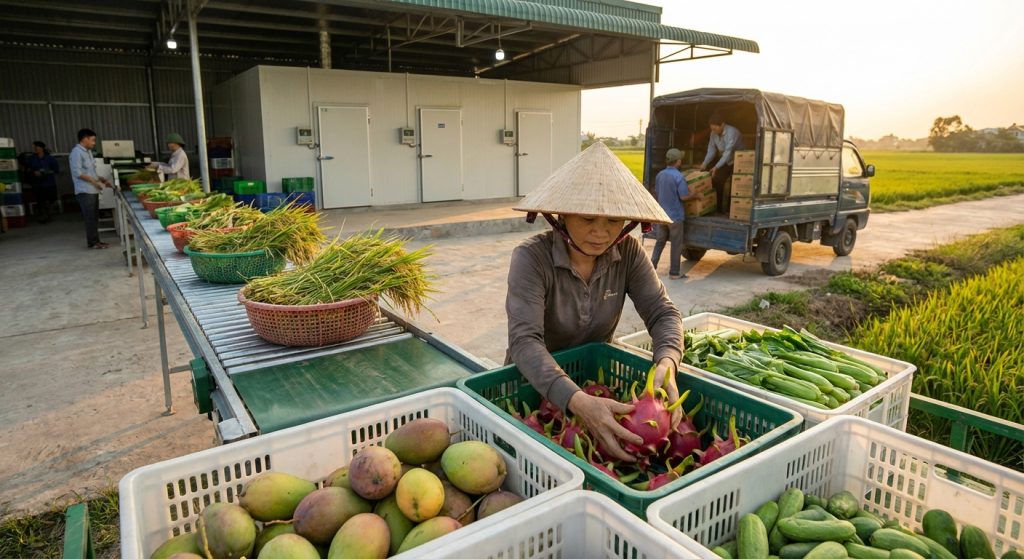
Post-harvest loss is a significant challenge. It impacts food security and economic growth. Vietnam faces this issue across its vast agricultural sector. Reducing these losses is crucial for a sustainable food system. This article explores the causes and solutions. It targets food supply chain experts.
Understanding Post-Harvest Loss
Post-harvest loss refers to the deterioration of food quality and quantity. This happens after harvest. It continues until it reaches the consumer. Losses occur at every stage. This includes harvesting, handling, storage, and distribution. For Vietnam, this is especially true for perishable goods. Fruits, vegetables, and seafood are highly vulnerable.
Several factors contribute to these losses. Inadequate infrastructure is a primary cause. This includes poor roads and limited cold storage. Improper handling techniques are also problematic. Farmers may lack training. This leads to damage during collection. Storage conditions are often suboptimal. High temperatures and humidity promote spoilage. Pests and diseases also play a significant role. These can affect produce during storage and transport.
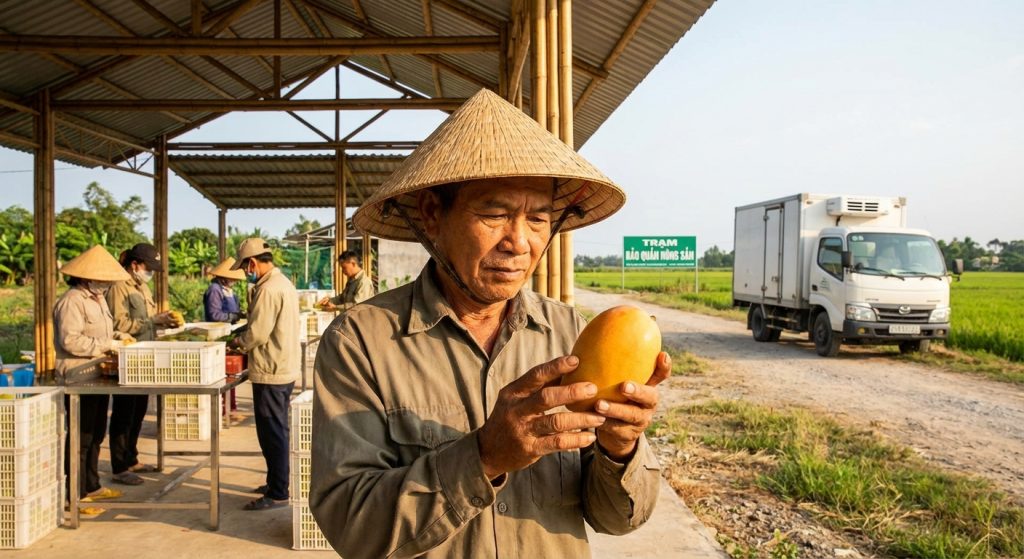
Market access is another challenge. Smallholder farmers often struggle to reach larger markets. This results in selling produce locally at lower prices. Sometimes, it leads to unsold produce. This then goes to waste. The supply chain in Vietnam is complex. It involves many intermediaries. Each step can introduce new risks of loss.
Key Causes of Loss in Vietnam
Vietnam’s agricultural strengths are also its vulnerabilities. The country is a major producer of rice, coffee, and fruits. However, the infrastructure to support these crops is still developing. Specifically, post-harvest infrastructure lags behind production capacity. This is particularly evident in remote rural areas. Many farmers still use traditional methods.
The lack of modern storage facilities is a major issue. Conventional storage often fails to control temperature and humidity. This accelerates spoilage. For example, tropical fruits can quickly degrade without proper cooling. This leads to significant economic losses for farmers. Furthermore, transportation networks can be inefficient. Long transit times expose produce to harsh conditions. This increases the risk of physical damage and decay.
Inadequate processing facilities also contribute. Many raw agricultural products are exported. They could fetch higher prices if processed. Processing adds value. It also extends shelf life. However, investment in processing technology is uneven. This limits value addition opportunities.
Challenges in Handling and Transportation
Handling practices are often rough. Produce is frequently bruised or crushed. This happens during loading and unloading. It also occurs during transport. Many vehicles lack proper climate control. This is especially true for smaller transport providers. Consequently, the quality deteriorates rapidly.
Moreover, limited access to information exacerbates the problem. Farmers may not be aware of best practices. They might also lack access to market price information. This hinders their ability to make informed decisions. Consequently, they may harvest too early or too late. Both can lead to increased losses.
Strategies for Reducing Post-Harvest Loss
Addressing post-harvest loss requires a multi-faceted approach. It involves improving infrastructure, enhancing practices, and fostering innovation. Collaboration among government, private sector, and farmers is essential. Technology adoption plays a key role. It can offer significant improvements.
Improving Infrastructure and Technology
Investing in better infrastructure is paramount. This includes building more cold storage facilities. These should be strategically located. They need to be accessible to farming communities. Modernizing transportation networks is also vital. This means improving roads and introducing refrigerated trucks. These investments will reduce transit times and spoilage.
Innovative storage solutions are emerging. For example, modified atmosphere packaging (MAP) can extend shelf life. Solar-powered cold rooms are another promising technology. They offer a sustainable alternative in off-grid areas. Furthermore, improved handling equipment can minimize physical damage. Simple tools can make a big difference.
The adoption of smart-tech agriculture is a growing trend. This includes sensors and data analytics. These can monitor storage conditions in real-time. They also help predict potential issues. This proactive approach can prevent significant losses.
Enhancing Harvesting and Handling Practices
Training farmers on proper harvesting techniques is crucial. This includes understanding optimal harvest times. It also covers gentle handling methods. Education programs can empower farmers. They can learn to reduce damage from the start. Post-harvest handling workshops are also beneficial. These should cover sorting, grading, and packaging.
Traceability systems are also gaining importance. Blockchain technology can track produce from farm to table. This ensures accountability. It also helps identify points of loss. This transparency can drive improvements. It also builds consumer trust.
Strengthening Supply Chain Management
Efficient supply chain management is key. This involves better coordination between stakeholders. It means reducing the number of intermediaries. Shorter supply chains are generally more efficient. They also reduce the risk of loss. Collaboration platforms can facilitate this. They connect farmers directly with buyers.
Furthermore, developing local processing industries is important. This adds value to agricultural products. It also creates new markets. For instance, processing fruits into juices or dried products. This extends their shelf life. It also makes them less perishable. This can help reduce waste. Companies looking to implement sustainable practices can explore responsible supply sourcing.
The Role of Policy and Investment
Government policies play a vital role. They can incentivize investment in post-harvest infrastructure. Subsidies for cold storage or transport can be effective. Regulations promoting food safety standards are also important. These ensure produce quality. They also reduce waste due to contamination.
International organizations and NGOs can also contribute. They can provide technical assistance. They can also fund pilot projects. These projects can demonstrate the benefits of new technologies. Public-private partnerships are essential. They leverage resources and expertise. This accelerates progress. The Vietnamese government is increasingly focusing on sustainability. This includes initiatives for ESG integration across sectors.
Case Studies and Innovations
Several initiatives show promise in Vietnam. For example, some companies are investing in solar-powered cold storage. This is particularly useful in remote areas. Others are developing innovative packaging solutions. These extend the shelf life of fresh produce. Farmer cooperatives are also playing a larger role. They pool resources. They can collectively invest in better equipment.
Digital platforms are also emerging. These connect farmers with buyers directly. They provide market information. They also facilitate logistics. This cuts out middlemen. It reduces handling and transport times. Consequently, losses are minimized.
Benefits of Reducing Post-Harvest Loss
The benefits are substantial. Firstly, it improves food security. More food is available for consumption. This is especially important for vulnerable populations. Secondly, it boosts farmer incomes. Reduced losses mean more produce sold. This leads to higher profits. Farmers can reinvest in their operations.
Thirdly, it supports economic growth. A more efficient food system contributes to national GDP. It also creates jobs in processing and logistics. Fourthly, it reduces environmental impact. Less food waste means less pressure on land and resources. It also reduces greenhouse gas emissions from decomposition.
Finally, it enhances Vietnam’s competitiveness. Reduced losses improve the quality of exported goods. This can lead to higher export revenues. It also strengthens the country’s reputation as a reliable food supplier.
Frequently Asked Questions (FAQ)
What is the biggest contributor to post-harvest loss in Vietnam?
The biggest contributors are generally a combination of inadequate infrastructure (especially cold chain logistics and transportation) and suboptimal handling practices by farmers and intermediaries.
How can smallholder farmers in Vietnam reduce their losses?
Smallholder farmers can reduce losses by adopting better harvesting techniques, improving on-farm storage, investing in simple handling tools, and joining cooperatives for better market access and shared resources.
What role does technology play in reducing post-harvest loss?
Technology plays a crucial role. It includes cold storage solutions, improved packaging, sensors for monitoring conditions, digital platforms for market access, and traceability systems.
Are there specific types of produce most affected by post-harvest loss in Vietnam?
Yes, perishable items like fruits, vegetables, and seafood are most affected due to their short shelf life and sensitivity to environmental conditions during handling and transit.
What is the economic impact of post-harvest loss in Vietnam?
The economic impact is significant. It leads to reduced farmer incomes, lower export potential, and increased food prices for consumers. Estimates suggest substantial financial losses annually.
Conclusion
Reducing post-harvest loss in Vietnam is a complex but achievable goal. It requires a concerted effort. Strategic investments in infrastructure are vital. Enhancing farmer education and supply chain efficiency is also key. Embracing new technologies offers powerful solutions. By working together, stakeholders can build a more resilient and sustainable food system. This will benefit farmers, consumers, and the nation as a whole. Ultimately, this contributes to Vietnam’s overall development and food security.