

Agricultural waste is a massive global challenge. It piles up on farms. It often goes to waste. However, this waste holds immense potential. It can be transformed. It can become valuable chemicals. This is the core idea behind bio-refineries. They are a key part of the circular economy. They offer sustainable solutions. Chemical engineers and agri-tech firms can lead this revolution.
What is a Bio-refinery?
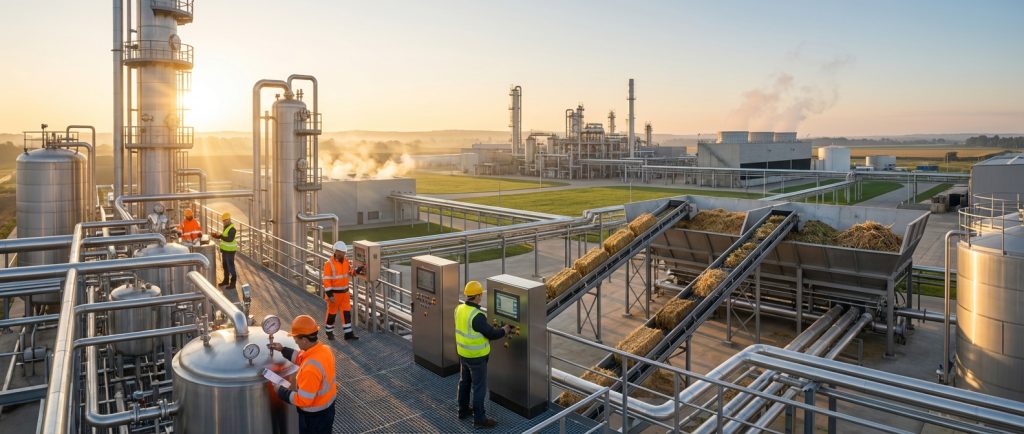
Think of a bio-refinery like an oil refinery. It processes crude oil. It produces many different products. A bio-refinery does the same. It processes biomass. Biomass includes agricultural waste. It also includes dedicated energy crops. The goal is to produce fuels. It also aims to produce chemicals. Furthermore, it can create materials. It does this sustainably.
These facilities use biological processes. They can also use thermochemical processes. Enzymes and microbes are often key. Heat and pressure are also used. The output is diverse. It ranges from biofuels to bioplastics. It also includes pharmaceuticals and food additives. Therefore, bio-refineries are versatile.
The Abundant Resource: Agricultural Waste
The world produces vast amounts of agricultural waste. This includes crop residues. Examples are straw, stalks, and husks. It also includes animal manure. Food processing by-products are also included. For instance, fruit pomace and vegetable peels are common. This waste stream is often underutilized. It can even be a disposal problem.
However, this waste is rich in organic compounds. It contains cellulose, hemicellulose, and lignin. These are complex carbohydrates. They are excellent feedstocks. They can be converted into valuable products. Thus, turning waste into wealth is now possible.
The reduction of post-harvest loss is also crucial. It ensures more feedstock is available. It also makes the entire food system more efficient.
Key Processes in Bio-refineries
Bio-refineries employ various technologies. These technologies break down biomass. They then convert it into desired products.
Pre-treatment
Firstly, biomass needs preparation. This step is called pre-treatment. It makes the complex components accessible. Common methods include physical, chemical, and biological treatments. For example, milling, steam explosion, and acid hydrolysis are used. This step is crucial for efficient conversion.
Conversion Technologies
Next, the pre-treated biomass is converted. Several technologies are used here:
- Biochemical Conversion: This uses microorganisms or enzymes. Fermentation is a common process. It converts sugars into ethanol or other chemicals. Anaerobic digestion produces biogas.
- Thermochemical Conversion: This uses heat. Gasification converts biomass into syngas. Pyrolysis breaks it down into bio-oil, gas, and char.
- Chemical Conversion: This uses chemical catalysts. For example, acid or base catalysis can break down lignin.
Each technology has its strengths. The choice depends on the feedstock. It also depends on the desired products.
High-Value Products from Bio-refineries
The output of bio-refineries is extensive. It goes far beyond simple biofuels. Here are some key high-value products:
- Biofuels: Ethanol, biodiesel, and biobutanol are produced. These are renewable alternatives to fossil fuels.
- Biochemicals: Lactic acid, succinic acid, and citric acid are examples. These are used in food, pharmaceuticals, and polymers.
- Biomaterials: Bioplastics like PLA (polylactic acid) are produced. These are biodegradable and sustainable.
- Specialty Chemicals: Enzymes, pigments, and flavors can be extracted. These have applications in food, cosmetics, and medicine.
- Animal Feed: By-products can be processed into nutritious animal feed. This reduces waste and creates value.
Moreover, these processes can be integrated. This leads to synergistic benefits. For instance, waste heat from one process can power another. This improves overall efficiency.
Benefits for Agri-tech Firms and Chemical Engineers
The rise of bio-refineries presents significant opportunities. Agri-tech firms can play a vital role. They can secure sustainable feedstock. They can also develop new crop varieties. These varieties might be better suited for bio-refining. They can also focus on optimizing waste collection. This ensures a steady supply for bio-refineries.
Chemical engineers are central to this field. They design, build, and operate these facilities. They optimize conversion processes. They also develop new catalysts and enzymes. Their expertise is crucial for economic viability. They can also explore novel product pathways. This expands the market for bio-based products.
Furthermore, embracing sustainable practices is becoming a necessity. Many consumers and regulators are pushing for greener alternatives. Companies that adopt these technologies can gain a competitive edge. This is especially true in markets with strong environmental regulations. The push from Gen Z consumers is a major driver.
Challenges and the Road Ahead
Despite the promise, challenges remain. Scaling up bio-refinery technologies is one hurdle. The cost of production can be higher. This is compared to conventional petrochemical processes. Feedstock variability is another issue. The composition of agricultural waste can change. This impacts process efficiency.
Market development for bio-based products is also important. Consumers need to be educated. They need to understand the benefits. Government policies and incentives are also critical. They can help bridge the economic gap. They can encourage investment in this sector.
However, innovation is rapid. Research is continuously improving efficiency. It is also reducing costs. As technology matures, bio-refineries will become more competitive. They will play a larger role in a sustainable future. For example, advancements in regenerative design are also influencing how we think about industrial processes.
Conclusion
Bio-refineries represent a paradigm shift. They turn agricultural waste from a liability into an asset. They provide sustainable alternatives. They offer renewable fuels, chemicals, and materials. For chemical engineers and agri-tech firms, this is a frontier. It is ripe with opportunity. By embracing these technologies, we can build a more circular and sustainable economy. We can also reduce our reliance on fossil fuels. Ultimately, this contributes to a healthier planet for future generations.
Frequently Asked Questions (FAQ)
What is the main advantage of bio-refineries?
The main advantage is the sustainable valorization of agricultural waste. This turns a disposal problem into a source of valuable products like biofuels, biochemicals, and biomaterials. It also reduces reliance on fossil fuels.
Are bio-refineries environmentally friendly?
Yes, bio-refineries are generally considered environmentally friendly. They utilize renewable resources and often produce biodegradable products. They help reduce greenhouse gas emissions compared to traditional petrochemical processes. However, the specific environmental impact depends on the feedstock, processes used, and waste management practices.
What types of agricultural waste can be used in bio-refineries?
A wide range of agricultural waste can be used. This includes crop residues like straw, stalks, and husks. It also includes animal manure, food processing by-products (e.g., fruit pomace, vegetable peels), and dedicated energy crops.
What are some examples of high-value chemicals produced by bio-refineries?
Examples include lactic acid, succinic acid, citric acid, and various enzymes. These are used in industries ranging from food and pharmaceuticals to polymers and cosmetics.
How do bio-refineries contribute to the circular economy?
Bio-refineries are a cornerstone of the circular economy. They transform waste materials back into useful products. This closes the loop in material usage. It minimizes waste generation and maximizes resource efficiency.
What is the role of chemical engineers in bio-refineries?
Chemical engineers are essential. They design, build, and optimize the processes. They develop new conversion technologies. They also ensure the economic viability and safety of bio-refinery operations. They are key to scaling up these sustainable solutions.
“`
