
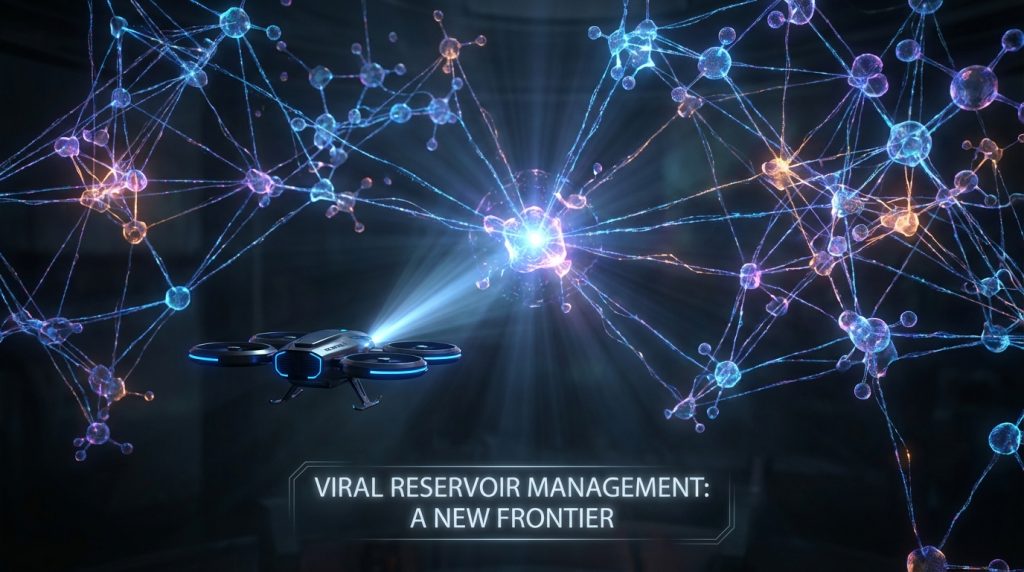
Viral reservoirs are hidden threats. They can hide in our bodies. These reservoirs can re-emerge later. This causes disease to return. Understanding and managing these reservoirs is crucial. It is vital for public health. This is especially true for viruses like HIV and herpes. New research is exploring innovative ways to tackle this challenge. This article explores the science behind viral reservoirs. It also discusses current management strategies. Finally, it looks at future directions in this critical field.
What Are Viral Reservoirs?
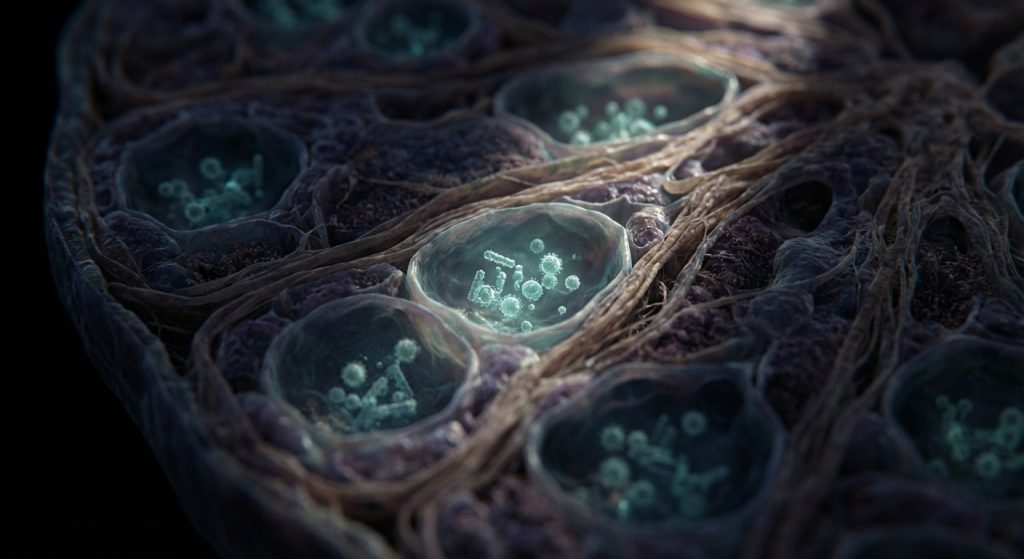
A viral reservoir is a place. Viruses can hide there. They remain dormant or inactive. This hiding place is often within specific cells. It can also be in certain tissues. The virus is not replicating much. It is also not easily detected. However, it is still present. This makes it difficult to eradicate. For example, HIV hides in resting CD4+ T cells. These are immune cells. The virus can persist for years. It can do so even with effective treatment.
Other viruses also form reservoirs. Herpesviruses are a prime example. They can establish lifelong latent infections. This means they can reactivate. This happens at a later time. Viral reservoirs pose a significant challenge. They are a major obstacle to curing many infections. They also hinder long-term control efforts. Therefore, understanding their biology is paramount.
Why Are Viral Reservoirs So Persistent?
Several factors contribute to reservoir persistence. Firstly, viruses can integrate their genetic material. They can insert it into the host cell’s DNA. This makes them part of the cell. It is very hard to remove. Secondly, the immune system may not recognize them. The virus might be hidden from immune surveillance. This is especially true in certain body sites. These sites are often “privileged.” They have less immune activity. For instance, the brain or testes can be such sites. Finally, some cells containing the virus are very long-lived. This allows the reservoir to persist for the host’s lifetime.
The immune system’s response is also complex. It can control active viral replication. However, it often fails to clear the latent virus. This is why treatments focus on suppression. They aim to keep the virus dormant. They do not usually aim for complete eradication.
Current Management Strategies
Current strategies focus on controlling viral replication. Antiviral drugs are the cornerstone. They work by stopping the virus from multiplying. For HIV, antiretroviral therapy (ART) is highly effective. It reduces the viral load to undetectable levels. However, ART does not eliminate the reservoir. The virus remains in hiding. Stopping ART allows the virus to rebound. This is a major challenge for treatment. For herpesviruses, antiviral drugs can manage outbreaks. They reduce symptoms. They also lower transmission risk. Yet, they do not cure the infection.
Other strategies are being explored. These include immune-based therapies. They aim to boost the body’s ability to fight the virus. However, these are still largely experimental. They are not yet standard care for reservoir management.
The Challenge of Eradication
Eradicating viral reservoirs is a major goal. It is also incredibly difficult. Eradicating the reservoir means clearing all infected cells. This is a complex biological task. It requires targeting cells that are dormant. It also needs to be done without harming healthy cells. This is a delicate balance. Many research efforts are underway. They aim to find ways to achieve this. Some approaches focus on “shock and kill.” This involves waking up the virus. Then, the immune system can target it. Others explore gene therapy. They aim to edit out the viral DNA. However, these methods are still in early stages.
The long-term persistence of these viruses is a testament to their resilience. It highlights the need for continued research and innovation. We must find new ways to overcome these challenges.
Innovative Approaches to Viral Reservoir Management
Researchers are developing novel strategies. These aim to target the reservoirs directly. One promising area is latency-reversing agents (LRAs). These drugs can “wake up” the dormant virus. This makes infected cells visible to the immune system. It also makes them susceptible to antiviral drugs. For example, some LRAs are being tested in clinical trials for HIV. They are showing early signs of success. However, more research is needed. The goal is to find LRAs that are safe and effective.
Another approach involves immune-based therapies. These include therapeutic vaccines. They are different from preventative vaccines. They aim to stimulate an immune response against infected cells. Gene editing technologies like CRISPR are also being explored. These tools could potentially remove viral DNA. They could also modify cells to resist infection. This is a cutting-edge area of research. It holds significant promise for the future.
The “Shock and Kill” Strategy
The “shock and kill” strategy is a leading concept. It has two main steps. First, the “shock” phase. This uses LRAs to activate the latent virus. This makes the infected cells active again. Second, the “kill” phase. This involves boosting the immune system. It can also involve using antiviral drugs. The aim is to eliminate the reactivated virus. Or, it is to kill the infected cells. This strategy is complex. It requires careful timing and coordination. It also needs to ensure the immune system can effectively clear the virus.
Challenges remain. LRAs can have side effects. The immune system may not always be strong enough. Furthermore, not all infected cells may be effectively targeted. Nevertheless, this remains a key area of investigation.
Gene Editing and Viral Eradication
Gene editing tools offer a powerful new avenue. CRISPR-Cas9 technology is at the forefront. It allows for precise editing of DNA. Researchers are exploring its use. They aim to cut out viral DNA from infected cells. This could permanently remove the virus. It could also disable the virus’s ability to replicate. This approach is highly targeted. It has the potential for a cure. However, there are significant hurdles. Delivering CRISPR to all infected cells is difficult. There are also safety concerns. Off-target edits could cause unintended mutations. Therefore, extensive research and safety testing are required.
This technology is still in its early stages. But it represents a major leap forward. It offers hope for a future without persistent viral infections.
The Role of the Immune System
The immune system plays a critical role. It is our natural defense against viruses. However, viral reservoirs can evade immune detection. Managing these reservoirs often means working with the immune system. Therapeutic vaccines are one way to do this. They train the immune system to recognize and attack infected cells. Another approach is to use immune modulators. These can enhance the overall immune response. Understanding the specific immune environment of each reservoir is key. Different viruses and different tissues may require different immune strategies.
The concept of One Health is relevant here. It emphasizes the interconnectedness of human, animal, and environmental health. This holistic view is crucial for understanding and managing viral threats. Disease prevention strategies also play a role. Preventing zoonotic spillover reduces the initial burden of new viruses. This can be seen in research on preventing zoonotic spillover.
Future Directions and Hope
The future of viral reservoir management is promising. Several key areas are driving progress. Firstly, improved LRAs are being developed. These aim for greater efficacy and fewer side effects. Secondly, advanced immune therapies are emerging. These include new vaccine designs and checkpoint inhibitors. Thirdly, gene editing technologies are rapidly advancing. They hold the potential for a complete cure. Furthermore, a deeper understanding of viral latency is crucial. This knowledge will guide the development of more targeted interventions.
The fight against viral reservoirs is ongoing. However, scientific advancements offer significant hope. We are moving closer to controlling and potentially curing these persistent infections.
Frequently Asked Questions (FAQ)
What is the difference between a viral infection and a viral reservoir?
A viral infection is when the virus is actively replicating and causing symptoms. A viral reservoir is when the virus is dormant or hidden within the body’s cells or tissues, not actively replicating but still present and capable of reactivating.
Can viral reservoirs be completely eliminated?
Currently, completely eliminating viral reservoirs is very difficult for many viruses. Existing treatments often focus on controlling viral activity and preventing reactivation, rather than complete eradication. However, new research in areas like gene editing offers hope for future eradication.
Which viruses are known to form reservoirs?
Common examples include HIV, herpes simplex virus (HSV), varicella-zoster virus (VZV), and hepatitis B virus (HBV). Research is ongoing to understand reservoir formation for many other viruses.
How do new treatments like LRAs work?
Latency-reversing agents (LRAs) work by reactivating dormant viruses within infected cells. This makes the virus detectable and vulnerable to the immune system or antiviral therapies, aiming to clear the reservoir.
Is there a cure for HIV currently available?
As of now, there is no widely available cure for HIV that eradicates the viral reservoir. Antiretroviral therapy (ART) effectively manages the infection, but it does not eliminate the virus from the body.
Conclusion
Viral reservoir management is a complex and critical area of scientific research. These hidden viral sanctuaries pose a significant threat to public health. They make cures elusive for many persistent infections. However, ongoing advancements in understanding viral latency, immune modulation, and gene editing offer tangible hope. Strategies like “shock and kill” and novel LRAs are paving the way. They aim to tackle these reservoirs directly. While challenges remain, the relentless pursuit of knowledge and innovation promises a future where persistent viral infections can be effectively managed, and perhaps, one day, truly cured. The progress in this field is a testament to scientific dedication. It underscores the importance of continued investment in research for global health security.
