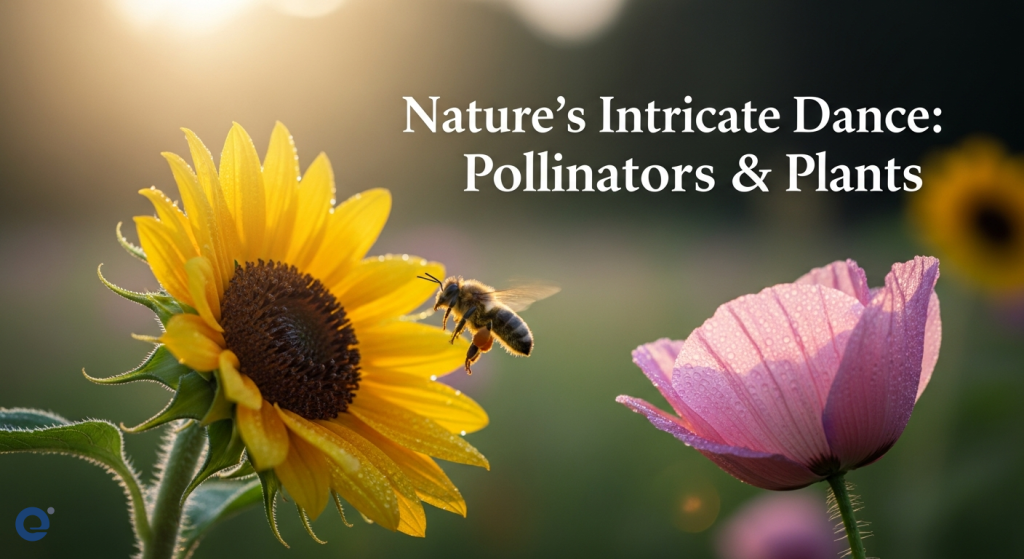
The natural world is a tapestry of interconnected lives. Among these connections, the symbiotic relationship between pollinators and plant life stands out. It is a partnership built on mutual benefit, essential for the survival of countless species. This complex dance ensures the continuation of ecosystems worldwide. Therefore, understanding this relationship is vital for gardeners, botanists, and nature enthusiasts alike.
Mutualism, in essence, describes these close associations where all participating species benefit. It’s a far cry from parasitism, where one thrives at another’s expense. Moreover, it’s distinct from commensalism, where one benefits and the other remains unaffected. Mutualistic relationships can be obligate, meaning the species are entirely dependent on each other. Alternatively, they can be facultative, where species gain advantages but could survive independently.
The Foundation of Reproduction: Pollination Defined
Plants, as sessile organisms, cannot move to find mates. Reproduction, therefore, relies on external agents to transfer pollen. This process is called pollination. Pollinators are the unsung heroes in this grand biological play. They are typically insects, birds, bats, and even some mammals.
These pollinators are drawn to plants by a variety of signals. These include vibrant floral colors, appealing scents, and the promise of a nutritious reward. The most common reward is nectar, a sugary liquid produced by plants. Additionally, some plants offer pollen itself as a food source. As pollinators move from flower to flower, they inadvertently carry pollen grains, facilitating fertilization and seed production.
Why Pollinators Matter to Plants
For many plants, pollination is not just beneficial; it is crucial for reproduction. Without pollinators, many plant species would struggle to produce seeds or fruits. This directly impacts their ability to propagate and maintain their populations. Consequently, the diversity of plant life would diminish.
Furthermore, successful pollination leads to the production of seeds and fruits. These, in turn, serve as food sources for a vast array of other organisms. Therefore, the pollinator-plant relationship forms a cornerstone of food webs. It supports biodiversity at multiple trophic levels. For instance, the reproduction of many flowering plants relies on insects, birds, and bats to carry out their reproductive missions using ingenious methods.
The Pollinator’s Perspective: What’s in it for Them?
The relationship is not one-sided. Pollinators engage in these interactions because they gain essential resources. Nectar provides a high-energy food source, fueling their flight and metabolic needs. Pollen, rich in protein and lipids, is vital for the development of young pollinators, especially in bees.
Some plants have evolved specialized structures to attract specific pollinators. For example, certain flowers produce a sweet, sticky substance that attracts insects. Others emit a strong fragrance that appeals to nocturnal pollinators like moths and bats. This co-evolutionary process has led to a remarkable array of adaptations on both sides.
Key Players in the Pollination Game
A diverse group of animals acts as pollinators. Each has unique characteristics that make them effective in their roles. Understanding these different groups helps appreciate the breadth of this symbiotic relationship.
Insects: The Most Abundant Pollinators
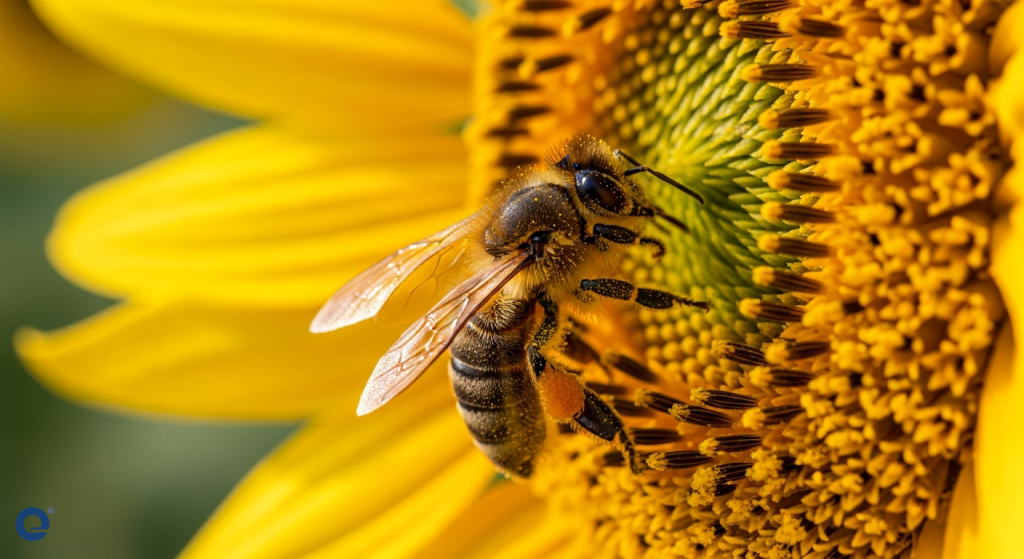
Insects are by far the most common and important group of pollinators. Bees, in particular, are highly specialized for pollination. Their bodies are often covered in fine hairs that efficiently trap pollen. Many bee species also have specialized structures for collecting and storing pollen.
Butterflies and moths also play significant roles. They are attracted to brightly colored flowers, often with landing platforms. While they may not collect pollen as efficiently as bees, their visits are still crucial for many plant species. Flies, too, are important pollinators, especially for plants that mimic decaying matter to attract them with foul odors.
Birds: The Vibrant Visitors
Many bird species, such as hummingbirds and sunbirds, are vital pollinators. They are attracted to flowers that produce abundant nectar. Often, these flowers are brightly colored, typically red or orange, and lack a strong scent. Birds have long beaks and tongues that allow them to access nectar deep within floral structures.
Bats: The Nocturnal Networkers
In tropical and subtropical regions, bats are essential pollinators. They are particularly important for large, night-blooming flowers. These flowers often have a musky scent and produce copious amounts of nectar. Bats are vital for the pollination of plants like agave, bananas, and many species of fruit trees. Their ability to fly long distances also aids in gene flow between plant populations.
Examples of Mutualism in Action
Nature provides numerous fascinating examples of mutualistic relationships between plants and their pollinators. These interactions showcase the intricate balance of ecosystems.
Bees and Flowers: A Classic Partnership
The relationship between bees and flowering plants is perhaps the most iconic example of mutualism. Bees visit flowers to collect nectar and pollen. As they forage, pollen grains adhere to their hairy bodies and are transferred to the stigmas of other flowers. In return, they receive sustenance. This relationship is so vital that the decline of bee populations poses a significant threat to global food security and biodiversity The Mysterious Bee Decline: A Global Ecological Threat.
Orchids and Moths: A Specialized Bond
Some orchids have evolved highly specialized relationships with specific moth species. The orchid’s long, tubular spur can only be reached by a moth with a correspondingly long proboscis. This ensures that only certain moths can access the nectar, and in turn, these moths are the primary pollinators for that orchid species.
Pitcher Plants and Bats: An Unexpected Alliance
Interestingly, not all plant-pollinator relationships involve flowers. Woolly bats, for instance, have been observed roosting inside the pitcher plant Nepenthes hemsleyana. While the bats find shelter, they also deposit guano (feces) within the pitcher. This guano provides essential nutrients for the plant, which lives in nutrient-poor environments. Therefore, this is a unique form of mutualism where the bat acts as a nutrient provider rather than a traditional pollen carrier mutualistic relationships.
The Consequences of Disrupted Pollination
When this delicate balance is disturbed, the effects can be far-reaching. Habitat loss, pesticide use, and climate change are significant threats to pollinator populations. Consequently, this impacts plant reproduction and the stability of ecosystems.
A decline in pollinators can lead to reduced crop yields, affecting food availability for humans and wildlife. It can also lead to a decrease in the diversity of wild plant species. This loss of plant diversity can have cascading effects throughout the food web. Moreover, it can impact the availability of resources for other species.
Conservation Efforts: Protecting Our Pollinators
Protecting pollinators is crucial for maintaining healthy ecosystems and ensuring food security. Several strategies are being employed to conserve these vital creatures.
Creating Pollinator-Friendly Habitats
Gardeners and land managers can create habitats that support pollinators. This includes planting a diverse range of native flowering plants that bloom throughout the season. Providing water sources and nesting sites is also important. Reducing or eliminating the use of pesticides is essential, as these chemicals can be highly toxic to pollinators.
Sustainable Agriculture Practices
Implementing sustainable agricultural practices can also help protect pollinators. This involves reducing pesticide use, promoting crop diversity, and maintaining natural habitats within and around farms. Supporting organic farming methods is another way to contribute to pollinator health.
Raising Public Awareness
Educating the public about the importance of pollinators and the threats they face is vital. Raising awareness can encourage more people to take action to protect them. This includes supporting conservation organizations and making pollinator-friendly choices in their own gardens and communities.
The Future of Plant-Pollinator Interactions
As our understanding of these complex relationships grows, so does our ability to protect them. Continued research into pollinator biology, behavior, and the impacts of environmental change is essential. Furthermore, fostering collaboration between scientists, policymakers, and the public will be key to ensuring the future of these vital partnerships.
The intricate dance between pollinators and plant life is a testament to the beauty and complexity of nature. It underscores the importance of every species, no matter how small, in maintaining the health of our planet. By understanding and protecting these relationships, we safeguard the future of biodiversity for generations to come.
Frequently Asked Questions
What is mutualism?
Mutualism is a type of symbiotic relationship where all species involved benefit from their interactions. It’s a partnership where each participant gains something valuable.
Why are pollinators important for plants?
Pollinators are essential for plant reproduction. They transfer pollen, enabling plants to produce seeds and fruits, which is crucial for their survival and propagation.
What are the main types of pollinators?
The main types of pollinators include insects (like bees, butterflies, and flies), birds (such as hummingbirds and sunbirds), and bats.
What do pollinators get in return for their services?
Pollinators are rewarded with essential resources, most commonly nectar for energy and pollen as a protein-rich food source, vital for their survival and reproduction.
What threats do pollinators face?
Pollinators face threats from habitat loss, the widespread use of pesticides, climate change, and diseases. These factors can lead to significant declines in their populations.
How can I help protect pollinators?
You can help pollinators by planting native flowers, reducing pesticide use, providing water sources, and supporting conservation efforts. Creating a pollinator-friendly garden is a significant step.