
Exotic Pet Care Controversies: Are They Truly Companions?
Published on December 25, 2025 by Admin
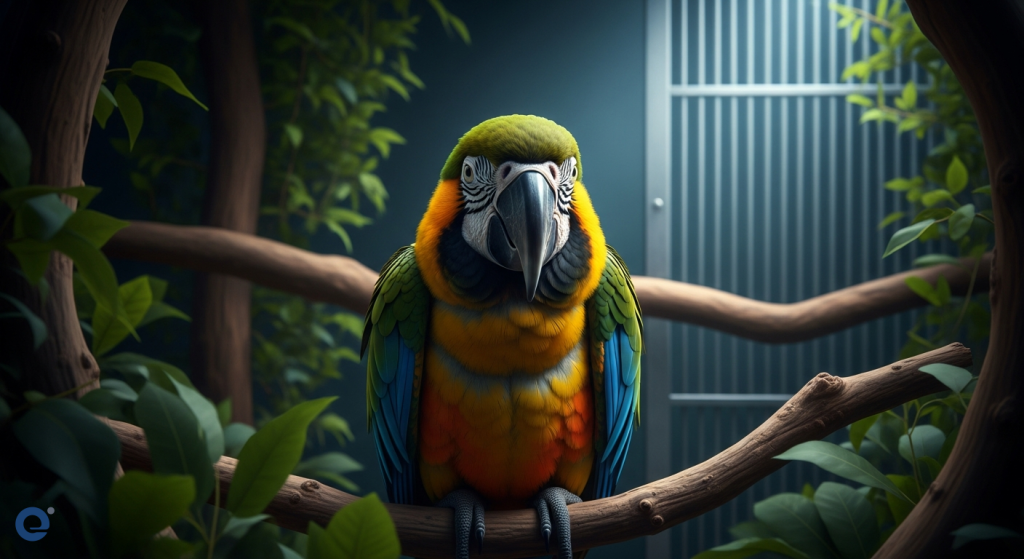
The allure of the unusual is powerful. Many people are drawn to keeping exotic pets, seeking unique companions beyond the traditional cats and dogs. However, this trend brings significant controversies regarding animal welfare and ethical considerations. This article delves into the complexities of exotic pet ownership, exploring the challenges faced by these non-traditional animals and the responsibilities of their keepers. We aim to provide a balanced perspective for both potential owners and animal rights advocates.
The Rise of Non-Traditional Companion Animals
In recent years, there’s been a notable shift towards keeping non-traditional companion animals (NTCAs). These include a wide array of species. Think parrots, reptiles, amphibians, and even small rodents like degus and guinea pigs. This trend is driven by a desire for novelty and a perceived uniqueness in these animals. However, many of these species are not domesticated. Consequently, they often have very specific needs that are difficult to meet in a typical home environment. Keeping animals in settings to which they are poorly adapted poses a significant threat to their welfare. Furthermore, owner satisfaction can be low due to a mismatch between expectations and reality. This often leads to rehoming or neglect.
Defining “Exotic” and “Non-Traditional” Pets
It’s important to clarify what we mean by “exotic” or “non-traditional” pets. Generally, these terms refer to animals that are not commonly domesticated species like dogs and cats. Dogs and cats have lived alongside humans for millennia. Through artificial selection, they have become well-adapted to domestic life. They are generally not confined to small enclosures. Information about their care is abundant. Moreover, veterinary practices are well-equipped to treat them. In contrast, many exotic pets retain more wild behaviors. Their needs in captivity can be highly specialized. These needs are often beyond the knowledge or resources of many pet owners. Even animals traditionally considered suitable for children, like rabbits and small rodents, may present challenges. Their innate behaviors can clash with owner expectations, leading to poor long-term satisfaction.
Welfare Concerns for Exotic Pets
The welfare of exotic pets is frequently at risk. This is due to several interconnected factors. Firstly, there’s often a lack of accurate information available on their proper care. This leads to incorrect husbandry practices. Secondly, owners may have unrealistic expectations. They might not fully understand the animal’s natural behaviors or needs. For example, intelligent, long-lived animals like primates and parrots face significant welfare risks in captivity. Their complex social and cognitive needs are hard to satisfy. Hand-rearing parrots, for instance, is often associated with abnormal sexual behavior and subsequent psychological issues.
Veterinary professionals frequently voice concerns about NTCA welfare. A survey revealed that over eight in ten vets were concerned that the welfare needs of NTCAs were not being met. Vets who treat these animals reported that over half of the NTCAs they see do not have their basic welfare needs met. This highlights a systemic issue in the keeping of these animals.
Specialized Husbandry Requirements
A widely agreed-upon starting point for considering NTCA welfare is their demanding husbandry needs. Many species require complex social structures, specific diets, and intricate environmental conditions. Some species’ needs are so specialized that they can rarely be met in a domestic setting. The goal is shifting from merely preventing the worst captive conditions to providing a “Good Life” for these animals. This means actively ensuring their physical, psychological, and social well-being.
The Threat of the Pet Trade
A significant welfare issue stems from the way exotic pets are sourced. The wild-capture of animals for the pet trade is a major concern. This practice not only harms the individual animals captured but also impacts wild populations. It can disrupt ecosystems and contribute to the decline of endangered species. For example, the import of wild-caught reptiles and amphibians for non-conservation reasons is a particular problem. Similarly, the low-welfare shipping of fish by online retailers is a serious welfare concern.
The BVA’s policy position calls for an end to the import of wild-caught reptiles and amphibians for pet purposes. It also advocates for the development of high-welfare captive breeding programs for species whose welfare needs can be met domestically. This move aims to reduce the pressure on wild populations and ensure better welfare for captive animals.
Owner Satisfaction and Misaligned Expectations
Beyond the direct welfare of the animals, owner satisfaction plays a crucial role. When expectations don’t align with an animal’s reality, problems arise. For instance, a desire for a “cute” pet might overlook the complex needs of a reptile or the social demands of a parrot. This misalignment can lead to frustration for the owner. Consequently, the animal may suffer from neglect or inadequate care. It can also result in repeated rehoming, which is stressful for the animal.
Research into exotic pet ownership suggests that even traditionally “easy” pets like rabbits and small rodents can cause dissatisfaction. This is because their natural behaviors, such as chewing or burrowing, might not be what owners anticipate. Understanding these innate behaviors is crucial before acquiring any pet, especially a non-traditional one.
Legal and Ethical Considerations
The keeping of exotic pets is a complex ethical and legal landscape. Regulations vary significantly. Some jurisdictions have strict laws governing the ownership of certain species. The Dangerous Wild Animals Act, for example, aims to control the keeping of animals that pose a risk to public safety or are unsuitable for captivity. However, the effectiveness of these regulations is often debated.
The Need for Improved Regulation
There’s a strong consensus among veterinary professionals that regulation of keeping and selling NTCAs needs improvement. Various regulatory approaches are discussed, including positive lists (species permitted to be kept) and negative lists (species prohibited). Many European countries, such as Belgium, Norway, and the Netherlands, utilize positive lists. This approach is supported by veterinary organizations like the Federation of Veterinarians of Europe. The Scottish Animal Welfare Commission also recommended a single list of permitted species.
A significant step forward proposed by the British Veterinary Association (BVA) is mandatory pre-purchase knowledge testing. This would involve evidence-based tests to ensure potential owners understand the needs of the animal they wish to acquire. This aligns with the idea that responsible pet ownership starts with thorough research. Initiatives like “Pet Know How” are examples of how this can be supported.
The Role of Responsible Breeding and Sourcing
Responsible breeding is paramount. It helps to ensure that animals are healthy and have been raised in appropriate conditions. However, the demand for exotic pets fuels both legal and illegal trade. This includes the practice of wild-capture. Therefore, buyers must be vigilant about the source of their pets. Supporting reputable breeders who prioritize animal welfare is essential. For some species, captive breeding programs are crucial for reducing reliance on wild-caught animals. This is particularly important for reptiles and amphibians.
The BVA’s policy emphasizes a move away from wild-capture for non-conservation purposes. This includes ending the import of wild-caught reptiles and amphibians. Furthermore, it calls for the development of high-welfare captive breeding programs for fish. This ensures that species whose welfare needs can be met in domestic environments are bred responsibly.
Assessing Suitability: Key Species in Focus
Different exotic species present unique challenges. Understanding these specific needs is vital for responsible ownership.
Parrots
Parrots are highly intelligent and long-lived birds. They require significant social interaction and mental stimulation. Captivity can be detrimental if these needs are not met. Hand-rearing, while common, can lead to behavioral problems and a lack of natural social development. Their complex dietary and environmental needs also require dedicated attention.
Reptiles and Amphibians
These animals have very specific environmental requirements. This includes precise temperature, humidity, and lighting needs. Many reptiles, for instance, suffer from Metabolic Bone Disease due to improper UVB lighting and calcium deficiency. Understanding their unique metabolic needs and common deficiencies is critical for their health. Furthermore, many are sourced from the wild, raising conservation and welfare concerns.
Small Mammals (Degus, Guinea Pigs, Rabbits)
While often perceived as low-maintenance, these animals have complex social and behavioral needs. Degus, for example, are highly social and require company. Rabbits need ample space to run and exhibit natural behaviors like burrowing. Guinea pigs also thrive in social groups. Providing adequate housing and enrichment is essential to prevent stress and behavioral issues.
Making Informed Decisions: A Guide for Potential Owners
Deciding to bring an exotic pet into your home is a significant commitment. It requires more than just a passing interest. Thorough research is the absolute first step. Owners must understand the animal’s natural habitat, diet, social structure, and lifespan. They also need to consider the potential costs involved, including specialized veterinary care. Not all veterinarians are equipped to treat exotic species. Finding a qualified vet is crucial. Veterinary telemedicine can be a valuable resource, but it cannot replace hands-on care for complex exotic pet needs.
Potential owners should ask themselves:
- Can I provide the correct environment (temperature, humidity, space)?
- Can I meet their complex dietary needs?
- Do they require social interaction, and can I provide it?
- What is their natural lifespan, and am I prepared for that commitment?
- Can I afford specialized veterinary care?
- Am I aware of and prepared for their natural behaviors?
Mandatory pre-purchase knowledge testing, as advocated by the BVA, would help ensure that only well-informed individuals acquire these animals. This would significantly improve the welfare outcomes for many exotic pets.

The decision to own an exotic pet should never be taken lightly. It requires a deep commitment to understanding and meeting the animal’s unique needs. This ensures they can thrive, not just survive, in a domestic environment.
The Advocate’s Perspective: Protecting Non-Traditional Companions
Animal rights activists and welfare organizations play a vital role in highlighting the controversies surrounding exotic pet ownership. Their work focuses on educating the public, advocating for stronger legislation, and rescuing animals from unsuitable environments. Key concerns include:
- The welfare of animals in the illegal pet trade.
- The environmental impact of removing animals from their natural habitats.
- The ethical implications of keeping wild animals as pets.
- The suffering of animals whose needs cannot be met in captivity.
These advocates push for a societal shift towards prioritizing animal welfare. They emphasize that “good enough” care is not acceptable. The goal should be to provide a “Good Life” for all animals under human care. This includes ensuring animals are not subjected to unnecessary suffering or exploitation.
The BVA’s updated policy position represents a significant step forward. It acknowledges the complex welfare challenges posed by NTCAs. It also provides a framework for improving their care and regulation. This includes addressing issues like online sales, rehoming, responsible breeding, and international trade.
Conclusion: Towards Responsible Exotic Pet Keeping
The trend of exotic pet ownership presents a complex tapestry of benefits and significant challenges. While the desire for unique companionship is understandable, it must be balanced with a profound respect for the animals’ welfare. Many exotic species have specialized needs that are difficult to meet in captivity. This can lead to suffering, neglect, and ethical dilemmas. Improving regulation, promoting mandatory pre-purchase education, and fostering responsible sourcing are crucial steps. Ultimately, the decision to own an exotic pet should be made with extensive research, a deep understanding of the species’ requirements, and a genuine commitment to providing a high quality of life. For those considering an exotic pet, asking “Can I truly provide for this animal?” is more important than asking “Do I want this animal?”
