
Biohazard Safety Standards: A Lab Technician’s Essential Guide
Published on February 12, 2026 by Admin
Laboratory technicians are at the forefront of scientific discovery. They work with a wide array of materials. Some of these materials can be hazardous. Therefore, understanding and implementing biohazard safety standards is paramount. This knowledge protects not only the technician but also colleagues and the environment. This article provides a comprehensive overview. It covers the core principles of biohazard safety. We will also explore best practices for a safe laboratory environment.
Understanding Biohazards
Firstly, what exactly is a biohazard? A biohazard is any biological material. This material poses a risk to human health. It can include bacteria, viruses, fungi, and parasites. It also includes genetically modified organisms. Furthermore, medical waste and clinical samples are considered biohazards. These agents can cause infections or other adverse health effects. Therefore, proper identification is the first step in safety.
Classifying Biohazard Risks
Biohazards are typically categorized into four risk groups. This classification helps determine the necessary safety precautions. Group 1 agents are unlikely to cause disease in healthy adults. Group 2 agents can cause human disease. However, they are unlikely to spread from one person to another. Group 3 agents can cause serious human disease. They may spread through respiratory routes. Finally, Group 4 agents are highly dangerous. They cause severe human disease. There is no vaccine or treatment available for them. Examples include Ebola and Marburg viruses.
Key Principles of Biohazard Safety
Adhering to strict safety protocols is crucial. These principles form the backbone of a safe laboratory. They are designed to minimize exposure. They also prevent the release of hazardous agents. Therefore, every technician must be well-versed in these standards.
Personal Protective Equipment (PPE)
Personal Protective Equipment (PPE) is your first line of defense. It creates a barrier between you and the hazard. Essential PPE includes:
- Gloves: Always wear appropriate gloves. Change them frequently. Never wear gloves outside the lab.
- Lab Coats: These protect your clothing and skin. They should be buttoned up.
- Eye Protection: Safety glasses or goggles are vital. They prevent splashes from entering your eyes.
- Face Masks/Respirators: Use these when there’s a risk of inhaling aerosols.
In addition, proper donning and doffing of PPE is essential. This prevents cross-contamination. Always wash your hands thoroughly after removing PPE.
Engineering Controls
Engineering controls are physical measures. They are designed to isolate hazards. Examples include:
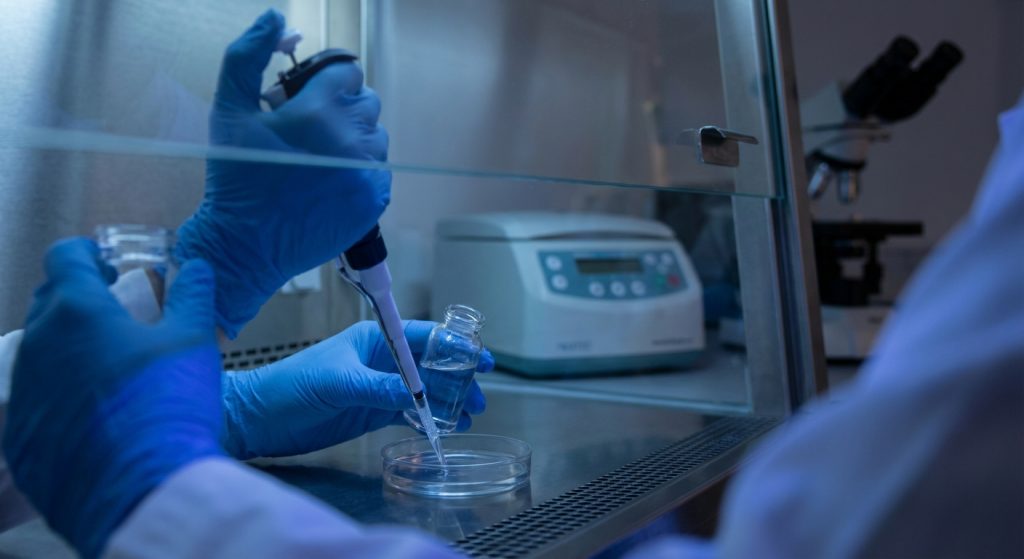
- Biosafety Cabinets (BSCs): These provide containment for aerosols. They protect both the user and the sample. There are different classes of BSCs. Class II BSCs are commonly used.
- Fume Hoods: These are used for chemicals. They are not a substitute for BSCs for biological agents.
- Ventilation Systems: Proper airflow in the lab is critical. It helps to dilute airborne contaminants.
These controls are built into the laboratory design. They are more reliable than PPE alone. Therefore, they are a fundamental aspect of biohazard safety.
Administrative Controls and Work Practices
These are policies and procedures. They guide safe laboratory behavior. They include:
- Standard Operating Procedures (SOPs): Develop and follow detailed SOPs for all procedures.
- Training: Regular and comprehensive training is non-negotiable. Technicians must understand the risks. They must also know how to handle specific agents.
- Hygiene: Strict personal hygiene is vital. No eating, drinking, or applying cosmetics in the lab.
- Waste Disposal: Proper disposal of biohazardous waste is critical. Segregate waste correctly. Use designated biohazard bags. Autoclave or incinerate waste as per guidelines.
- Decontamination: Surfaces and equipment must be decontaminated. Use appropriate disinfectants. Regular cleaning is also important.
These practices create a culture of safety. They reinforce the importance of following protocols. Furthermore, understanding zoonotic threat assessments is key for labs dealing with potential animal-borne pathogens.
Specific Safety Protocols
Beyond general principles, specific protocols are essential for different scenarios. These protocols ensure that risks are managed effectively.
Handling Infectious Agents
When working with infectious agents, meticulous technique is key. Always work within a biosafety cabinet when possible. Minimize the creation of aerosols. For example, avoid pipetting by mouth. Use safety-engineered needles and syringes. Seal tubes properly before centrifugation. If a spill occurs, follow established spill cleanup procedures immediately. Prompt and correct action can prevent wider contamination.
Sharps Safety
Sharps, such as needles, scalpels, and broken glass, pose a significant risk. They can cause cuts and punctures. These injuries can lead to infection. Therefore, always use sharps containers. These containers should be puncture-resistant. They should be readily accessible. Never recap needles. Dispose of all sharps immediately after use. This practice prevents accidental needlesticks. It is a fundamental aspect of laboratory safety.
Decontamination and Sterilization
Effective decontamination is vital to prevent the spread of pathogens. Autoclaving is a common method for sterilizing biohazardous waste and equipment. Chemical disinfectants are also used. However, their effectiveness varies. Always choose a disinfectant appropriate for the specific biohazard. Follow contact time guidelines. Ensure proper ventilation when using chemicals. Regular validation of sterilization processes is important.
Emergency Preparedness
Accidents can happen. Therefore, laboratories must be prepared for emergencies. This includes having:
- Emergency Contact Information: Clearly posted numbers for internal safety officers and external emergency services.
- Spill Kits: Readily available and stocked with appropriate materials for biohazard spills.
- Eyewash Stations and Safety Showers: Accessible and regularly tested.
- Fire Extinguishers: Appropriate types and locations.
- Evacuation Plans: Clearly defined routes and assembly points.
Regular drills are crucial. They ensure that staff know how to respond effectively. Furthermore, understanding Nipah outbreak rapid response protocols can be vital in certain settings.
Waste Management and Disposal
Proper management of biohazardous waste is critical. This waste can transmit infections. Therefore, it must be handled and disposed of safely. Typically, biohazardous waste is collected in red biohazard bags. These bags are then autoclaved or incinerated. Following local regulations and institutional guidelines is essential. Inaccurate disposal can lead to serious environmental and health consequences.
Decontamination of Waste
Before disposal, biohazardous waste must be decontaminated. Autoclaving is the most common method. It uses steam under pressure to kill microorganisms. Chemical disinfection can also be used for certain types of waste. However, it is often less effective than autoclaving. Ensure that the decontamination process is validated. This confirms its effectiveness.
Regulatory Bodies and Guidelines
Several organizations set standards for biohazard safety. These guidelines ensure a consistent level of protection. Key bodies include:
- Occupational Safety and Health Administration (OSHA): In the United States, OSHA sets workplace safety standards. Their Bloodborne Pathogens Standard is particularly relevant.
- Centers for Disease Control and Prevention (CDC): The CDC provides guidance on biosafety levels and laboratory practices.
- World Health Organization (WHO): The WHO offers international guidance on biosafety and biosecurity.
Laboratories must comply with all relevant national and local regulations. Staying updated on these guidelines is crucial.
The Role of Biosafety Officers
Biosafety officers play a vital role. They oversee safety programs. They also conduct risk assessments. Furthermore, they provide training and guidance. They ensure compliance with regulations. Their expertise is invaluable in maintaining a safe laboratory environment. They are a key resource for technicians.
Conclusion: A Commitment to Safety
Biohazard safety standards are not just rules. They are a fundamental part of responsible laboratory practice. For laboratory technicians, a deep understanding and unwavering commitment to these standards are essential. This commitment protects lives. It also upholds the integrity of scientific research. By consistently applying these principles, technicians can ensure a safe and productive working environment. Remember, safety is a shared responsibility. It requires constant vigilance and continuous learning. For those working with specific viral threats, understanding Nipah viral pathogenesis can inform safety protocols.
Frequently Asked Questions (FAQ)
What is the most important safety equipment for a lab technician?
While all PPE is important, gloves and lab coats are fundamental. They provide the most basic barrier. However, the most crucial aspect is understanding how and when to use all PPE correctly.
How often should lab safety training occur?
Initial training is essential upon hiring. However, refresher training should occur regularly, at least annually. Additional training is also needed when new procedures or hazards are introduced.
What is the difference between biosafety and biosecurity?
Biosafety refers to the containment of infectious agents. It prevents accidental exposure. Biosecurity, on the other hand, protects biological materials from intentional misuse or theft.
Can I use household bleach to disinfect biohazardous waste?
While bleach can be effective, it’s crucial to use the correct concentration and contact time. Commercial laboratory disinfectants are often preferred and validated for specific biohazards. Always follow institutional guidelines.
What should I do if I experience a needlestick injury?
Immediately wash the affected area with soap and water. Report the injury to your supervisor and the designated safety officer. Seek medical attention promptly. Follow your institution’s incident reporting procedures.
