
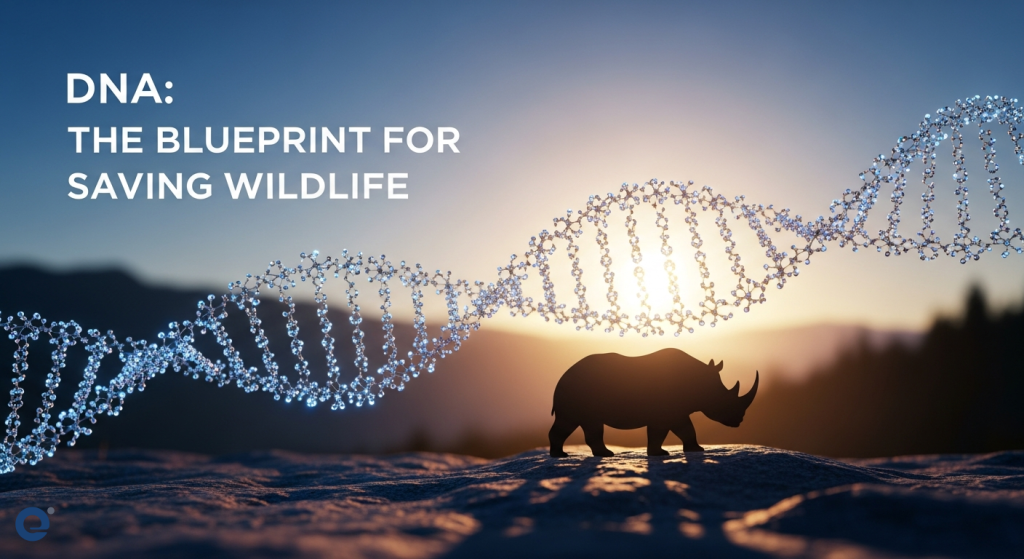
Saving endangered species is a monumental task. It requires deep understanding and precise action. Fortunately, modern science offers a powerful tool: DNA. Genetic conservation uses DNA to understand and protect vulnerable animal populations. This field is revolutionizing how we approach conservation. It provides critical insights into species health and survival prospects.
However, using DNA for conservation comes with challenges. One significant hurdle is the availability of accurate genetic data. Many species lack their own sequenced genome. This scarcity can lead to serious distortions in research findings. These errors can put at-risk species in greater peril.
The Crucial Role of a Species-Specific Genome
At the heart of genetic research lies the reference genome. This is a master DNA sequence. Scientists use it as a blueprint. They compare an individual’s DNA against this reference. This comparison reveals genetic variations. It helps understand population history and health.
For many species, especially those less studied, their own reference genome is unavailable. In such cases, researchers often use the genome of a closely related species. This is a common shortcut. For instance, the domestic dog’s genome is frequently used for wild canids like foxes. However, new research highlights the significant risks of this practice.
Distorted Realities: When the Wrong Blueprint is Used
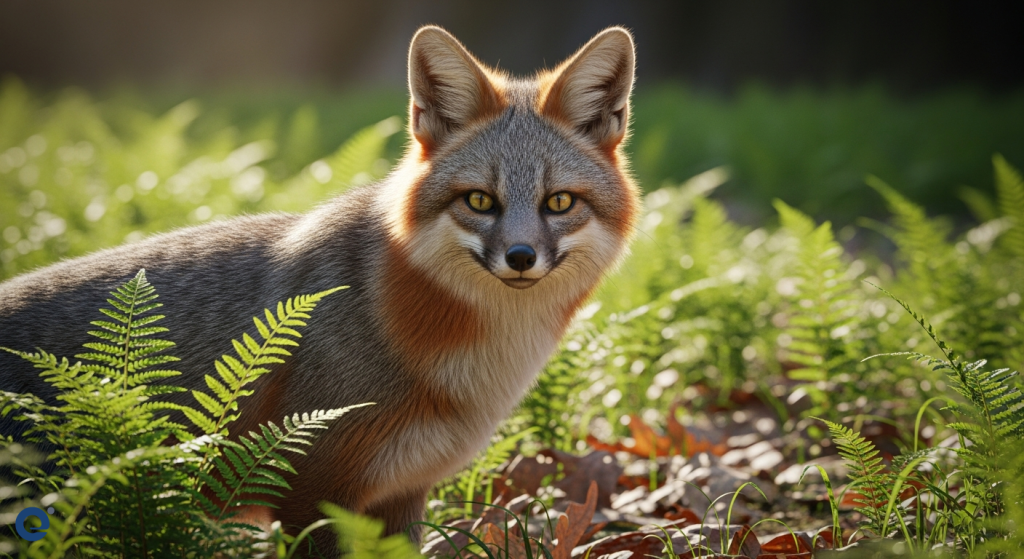
A groundbreaking study published in Cell reveals a critical issue. When scientists use a reference genome from a different species, research findings can be distorted. For gray foxes, using a dog or Arctic fox genome instead of their own led to significant inaccuracies. These distortions can be as high as 60%.
Specifically, this practice can miss up to a third of genetic variations. This problem affects nearly all species lacking their own sequenced genome. Such errors can mislead conservation efforts. Resources might be diverted. Truly at-risk species could be left unprotected.
Jazlyn Mooney, the study’s corresponding author, explains the impact. She notes that the chosen reference genome truly changes the story told about a species. If the wrong map is used, misleading answers about a species’ history, health, and long-term survival can emerge. This is particularly concerning for conservation decisions.
How Reference Genomes Influence Conservation Outcomes
The USC Dornsife study re-analyzed DNA from 12 gray foxes. They compared how these genomes aligned to three different references: the gray fox itself, the domestic dog, and the Arctic fox. The questions were: How much genetic variation exists? What do the data say about past population sizes? Are current populations growing or shrinking? Which genes show signs of adaptation?
The answers varied dramatically based on the reference genome used. With the gray fox’s own genome, researchers found 26%–32% more genetic differences among individuals. They also identified about a third more rare variants. These rare variants are subtle DNA changes. They reveal recent population evolution.
Furthermore, estimates of population size were 30%–60% higher when using the correct reference. In the western United States, for example, the gray fox genome indicated stability and growth. However, the dog and Arctic fox genomes suggested a population decline. This discrepancy could lead to entirely different conservation strategies.
Misleading Signals of Natural Selection
The wrong reference genome also affected the detection of natural selection. These are the evolutionary pressures that drive adaptation. The dog and Arctic fox genomes identified twice as many potential DNA “hot spots.” These are regions that appear to be adapting. However, many of these signals were false alarms. They were caused by the genetic mismatch between species.
This means conservationists might focus on genes that aren’t truly under selection. This wastes valuable time and resources. It can also mean missing genuine adaptive signals in other genes.
The Power of Population Genomics in Conservation
Population genomics is a powerful field. It uses genomic tools to study populations. This approach provides precise estimates of crucial population features. These include effective population size, inbreeding levels, demographic history, and population structure. All these factors are critical for effective conservation efforts.
By analyzing the entire genome, scientists gain a more comprehensive understanding. They can identify specific genes and variants. These might be responsible for inbreeding depression or adaptation to changing environments. This allows for better predictions about a population’s capacity to evolve. It also helps manage for adaptive variation.
Applications in Wildlife Management
Population genomics offers several key applications in wildlife conservation and management:
- Identifying Conservation Units: It helps define distinct populations. These units may require separate management strategies. This is vital for species with wide ranges that cross international borders, like endangered scalloped hammerheads .
- Assessing Genetic Diversity: High genetic diversity is key to species resilience. It allows populations to adapt to environmental changes. Low diversity makes them vulnerable to diseases and inbreeding.
- Understanding Population Connectivity: Genetics can reveal how populations are connected. This includes movement and breeding patterns. This information is crucial for designing effective protected areas and corridors.
- Detecting Hybridization: It can identify instances of hybridization. This is important for managing pure species populations.
- Estimating Adaptive Capacity: Genomics can reveal a population’s potential to adapt to threats like climate change. This informs strategies to enhance resilience.
Genetic Diversity: The Foundation of Resilience
Genetic diversity refers to the variety of genes within a population. It is the raw material for evolution and adaptation. Species with high genetic diversity are more robust. They can better withstand environmental shifts, diseases, and other challenges.
Conversely, populations with low genetic diversity are at higher risk. They are more susceptible to inbreeding depression. This can lead to reduced fitness, lower reproductive success, and an increased likelihood of extinction. The cheetah is a classic example of a species with critically low genetic diversity, making it highly vulnerable .
The Threat of Inbreeding Depression
Inbreeding occurs when closely related individuals reproduce. This reduces genetic variation. It increases the chances of offspring inheriting two copies of harmful recessive genes. This can lead to inbreeding depression. Symptoms include reduced fertility, increased susceptibility to disease, and developmental abnormalities.
Conservation efforts often focus on preventing or mitigating inbreeding. This can involve managing population sizes and ensuring genetic exchange between populations. Understanding population structure through genomics is essential for this. It helps identify isolated groups that may be at risk.
Genomics in Action: Protecting Sharks and Other Species
The Save Our Seas Foundation Shark Research Center (SOSF-SRC) is a prime example of conservation genetics in action. They focus on endangered shark species. They use molecular genomic techniques to understand shark biology and aid conservation.
Studying shark DNA allows researchers to view populations holistically. They can identify links between seemingly separate populations. They determine genetic diversity. They also understand shark behavior. Furthermore, they can identify the species and geographic origin of tissue samples. This is crucial for tackling issues like the global shark-fin trade.
Combating the Illegal Shark-Fin Trade
Millions of sharks are caught annually for the fin trade. Identifying the species and origin of fins is incredibly difficult. This creates a nebulous policy landscape for protection. Genetic testing offers a solution.
Dr. Mahmood Shivji pioneered a rapid DNA test. It can determine a shark’s species from a small tissue sample. This research has provided critical insights into the volume and species composition of the shark-fin trade. It helps identify which species are most vulnerable to illegal fishing. It also assesses the effectiveness of conservation methods.
These genetic tests are now widely adopted for enforcement. They add a level of accountability to the industry. Dr. Shivji also collaborates with fisheries managers. This helps regulate endangered and at-risk shark species.
The Future of Conservation Genetics
The field of conservation genetics is rapidly evolving. Advancements in sequencing technologies allow for high-throughput data collection. This democratizes population genomics. It enables its application to a wider range of species, including rare or difficult-to-study ones.
New technologies like CRISPR-Cas9 gene editing also hold promise. These tools could potentially be used to correct genetic defects or introduce beneficial traits. This could enhance the resilience of endangered populations. For example, increasing disease resistance or adapting them to changing environmental conditions.
However, these powerful tools also present new challenges. Analyzing and interpreting large genomic datasets requires sophisticated bioinformatics. Ethical considerations are also paramount, especially when considering genetic interventions.
FAQs on Animal Conservation Genetics
What is a reference genome?
A reference genome is a complete DNA sequence for a species. It serves as a standard map for comparing individual genomes. Scientists use it to identify genetic variations, mutations, and evolutionary patterns.
Why is using a related species’ genome problematic?
Using a related species’ genome as a substitute can lead to significant distortions in research findings. This can result in inaccurate estimates of genetic diversity, population size, and evolutionary trends. These errors can mislead conservation efforts.
How does genetic diversity help endangered species?
High genetic diversity provides populations with the raw material for adaptation. It increases their resilience to environmental changes, diseases, and other threats. Species with low genetic diversity are more vulnerable to extinction.
What is population genomics?
Population genomics is the study of genetic variation within and between populations. It uses genomic data to understand population structure, history, adaptive potential, and connectivity. This information is vital for wildlife conservation and management.
Can genetics help stop illegal wildlife trade?
Yes, genetic analysis can be used to identify the species and geographic origin of illegally traded wildlife products. This helps track down sources, enforce regulations, and hold poachers and traders accountable. This is particularly effective for products like shark fins.
What are the future prospects of conservation genetics?
The field is advancing rapidly with new sequencing technologies and bioinformatics tools. Emerging technologies like gene editing may offer new avenues for enhancing species resilience. However, ethical considerations and data interpretation remain key challenges.
Conclusion: Harnessing DNA for a Sustainable Future
Animal conservation genetics is an indispensable tool. It offers profound insights into the genetic health and survival of vulnerable species. By understanding the intricate blueprint of DNA, scientists and conservationists can make more informed decisions. They can design targeted strategies to protect biodiversity.
The accuracy of genetic data is paramount. The USC Dornsife study underscores the critical need for species-specific reference genomes. Avoiding shortcuts can prevent costly errors. It ensures that conservation resources are directed effectively. The work of organizations like SOSF-SRC demonstrates the practical impact of genetic research.
As technology advances, conservation genetics will become even more powerful. It will continue to be a cornerstone in our efforts to safeguard the planet’s precious wildlife. Ultimately, by embracing the science of DNA, we can build a more sustainable future for all species. This is crucial for maintaining the delicate balance of ecosystems worldwide. For those interested in related fields, understanding the application of veterinary science in protecting endangered species offers further insight into interdisciplinary conservation efforts.
