
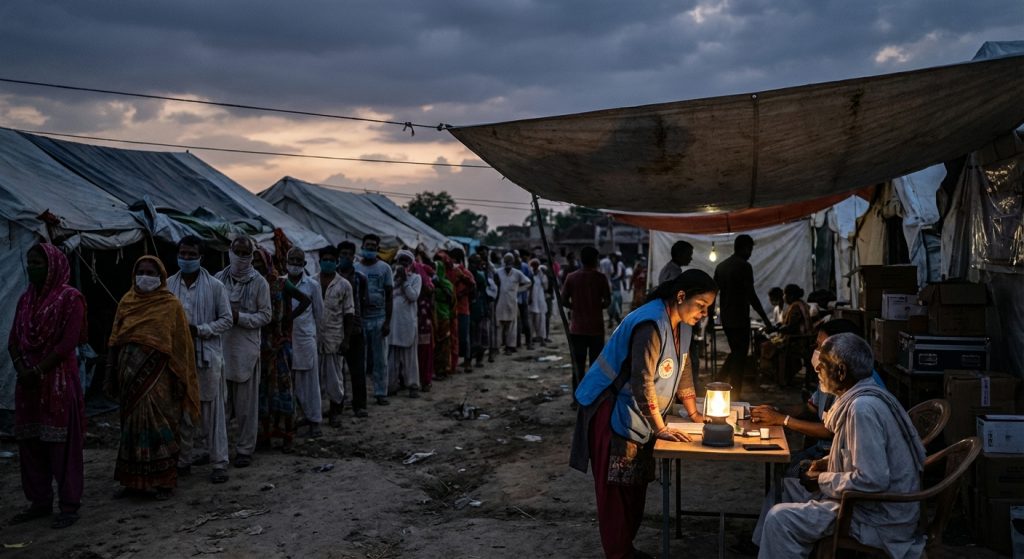
The health landscape in South Asia faces multifaceted challenges. These issues demand urgent attention and strategic planning. Many factors contribute to this complex situation. Therefore, understanding these elements is crucial for effective intervention.
The Complex Web of Health Challenges
South Asia is home to a significant portion of the world’s population. This region grapples with a diverse range of health crises. These include infectious diseases, non-communicable diseases, and environmental health issues. Furthermore, limited resources and infrastructure exacerbate these problems. Consequently, many individuals lack access to quality healthcare.
Infectious Diseases Remain a Major Threat
Despite advancements, infectious diseases continue to pose a substantial threat. Diseases like tuberculosis, malaria, and dengue fever are prevalent. Additionally, the region is vulnerable to outbreaks of novel pathogens. For instance, the recent global pandemic highlighted these vulnerabilities. Therefore, robust surveillance and rapid response systems are essential. Early warning viral systems are our first line of defense. This is crucial for containing outbreaks before they spread widely.
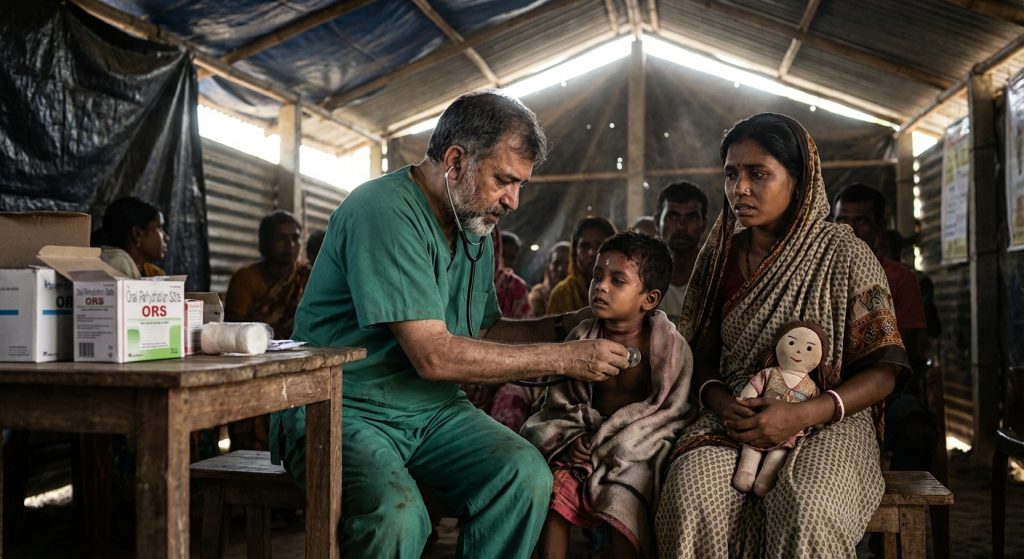
Moreover, factors like poverty and inadequate sanitation contribute to disease spread. Untreated water sources and poor hygiene practices are common. This creates a fertile ground for many infections. Hence, improving public health infrastructure is paramount.
The Rise of Non-Communicable Diseases (NCDs)
Alongside infectious diseases, non-communicable diseases are on the rise. Cardiovascular diseases, diabetes, and cancer are becoming major public health concerns. Lifestyle changes, such as poor diet and lack of physical activity, fuel this trend. Urbanization and increased life expectancy also play a role. Therefore, preventive strategies are vital. Promoting healthy lifestyles can significantly reduce the burden of NCDs.
Furthermore, access to affordable treatment for NCDs is often limited. This leads to delayed diagnosis and poorer outcomes. Consequently, many individuals suffer from chronic conditions without adequate support. This underscores the need for accessible and affordable healthcare services. Investing in public health awareness campaigns is also important. These campaigns can educate people about risk factors and preventive measures.
Environmental Factors Impacting Health
The environment plays a significant role in the health of South Asian populations. Air and water pollution are major concerns. Industrial emissions, vehicular exhaust, and agricultural practices contribute to air pollution. This leads to respiratory illnesses and other health problems. Similarly, contaminated water sources cause waterborne diseases. Addressing these environmental issues is therefore intrinsically linked to improving public health. Air quality monitoring technology can help track and manage pollution levels.
Air Pollution: A Silent Killer
Air pollution is a pervasive issue across many South Asian cities. Fine particulate matter (PM2.5) levels often exceed safe limits. This is a major cause of premature deaths. Consequently, the region faces a high burden of diseases linked to air pollution. These include heart disease, stroke, and lung cancer. Therefore, stringent emission controls and cleaner energy sources are necessary. Investing in renewable energy sources can help reduce reliance on fossil fuels. This is a critical step towards cleaner air.
Water Quality and Sanitation Deficiencies
Access to clean water and adequate sanitation remains a challenge in many areas. This leads to the spread of waterborne diseases like cholera and typhoid. Furthermore, poor hygiene practices exacerbate the problem. Investing in improved water infrastructure and sanitation facilities is crucial. Community-based hygiene education programs can also make a difference. This ensures that people understand the importance of clean water and sanitation.
Socioeconomic Determinants of Health
Socioeconomic factors significantly influence health outcomes in South Asia. Poverty, lack of education, and gender inequality are major determinants. People living in poverty often have limited access to nutritious food, clean water, and healthcare. This makes them more vulnerable to diseases. Moreover, low literacy rates can hinder health awareness and uptake of preventive measures. Therefore, addressing these root causes is essential for long-term health improvement. Consumer activism and social awareness can drive positive change.
Poverty and Healthcare Access
Poverty is a major barrier to healthcare access. Many individuals cannot afford medical consultations, medicines, or treatments. This leads to delayed care and worsening health conditions. Therefore, affordable healthcare initiatives are crucial. Universal health coverage schemes can help ensure that everyone has access to necessary medical services. This promotes health equity across different socioeconomic groups.
Education and Health Literacy
Education plays a vital role in health literacy. Higher education levels are generally associated with better health outcomes. Educated individuals are more likely to understand health information. They are also more likely to adopt healthy behaviors. Therefore, investing in education, especially for women and girls, is an investment in public health. This empowers individuals to make informed decisions about their health. Understanding clinical signs of diseases is part of health literacy.
Bridging the Gaps: Solutions and Strategies
Addressing the South Asian health crisis requires a multi-pronged approach. Collaboration between governments, NGOs, and international organizations is essential. Strengthening healthcare systems is a priority. This includes investing in infrastructure, training healthcare professionals, and improving supply chains for medicines. Furthermore, leveraging technology can enhance healthcare delivery. Telemedicine and mobile health solutions can reach remote populations.
Strengthening Healthcare Infrastructure
Building resilient healthcare systems is key. This involves increasing the number of hospitals and clinics. It also means ensuring they are well-equipped and staffed. Training more doctors, nurses, and community health workers is vital. Moreover, improving the availability of essential medicines and medical supplies is crucial. Biohazard safety standards are critical in healthcare settings.
Leveraging Technology for Health
Technology offers powerful tools for improving health outcomes. Telemedicine can connect patients in remote areas with specialists. Mobile health applications can provide health information and support. Data analytics and AI can improve disease surveillance and outbreak prediction. For example, real-time outbreak mapping can guide public health responses. This enables quicker and more effective interventions.
Focusing on Prevention and Public Health
Prevention is often more cost-effective than treatment. Therefore, a strong focus on public health initiatives is necessary. This includes promoting vaccination programs, improving sanitation, and advocating for healthy lifestyles. Education campaigns about nutrition, hygiene, and disease prevention are crucial. Furthermore, addressing mental health issues is equally important. Tele-psychiatry can help scale mental health support.
Conclusion: A Call to Action
The health crisis in South Asia is a complex and urgent issue. It requires sustained commitment and collaborative action. By addressing infectious diseases, NCDs, environmental challenges, and socioeconomic determinants, the region can make significant progress. Investing in healthcare infrastructure, embracing technology, and prioritizing prevention are key. Ultimately, a healthier South Asia benefits not only its people but the entire global community. Therefore, continued efforts are essential to build a healthier and more resilient future for the region.
Frequently Asked Questions (FAQ)
What are the most prevalent infectious diseases in South Asia?
The most prevalent infectious diseases in South Asia include tuberculosis, malaria, and dengue fever. However, the region is also susceptible to outbreaks of other viral and bacterial infections.
How does poverty affect healthcare access in South Asia?
Poverty significantly limits healthcare access. Many individuals cannot afford essential medical services, medicines, or treatments, leading to delayed care and poorer health outcomes.
What role does environmental pollution play in the region’s health crisis?
Environmental pollution, particularly air and water contamination, contributes significantly to respiratory illnesses, cardiovascular diseases, and waterborne infections in South Asia.
Are non-communicable diseases a growing concern in South Asia?
Yes, non-communicable diseases like heart disease, diabetes, and cancer are increasingly prevalent in South Asia due to lifestyle changes and aging populations.
How can technology help improve healthcare in South Asia?
Technology, such as telemedicine and mobile health apps, can extend healthcare services to remote areas, improve disease surveillance, and enhance patient education and access to information.
What is the importance of a “One Health” approach in South Asia?
A “One Health” approach is vital because it recognizes the interconnectedness of human, animal, and environmental health, which is crucial for preventing zoonotic diseases and pandemics.
