

The world is in a constant state of biological flux. New viral threats emerge with alarming regularity. These viruses pose significant risks to global health. Understanding these threats is crucial for preparedness. Therefore, health journalists play a vital role. They must report accurately and effectively. This article explores the evolving landscape of emerging viral threats. It also discusses their implications for public health and scientific research.
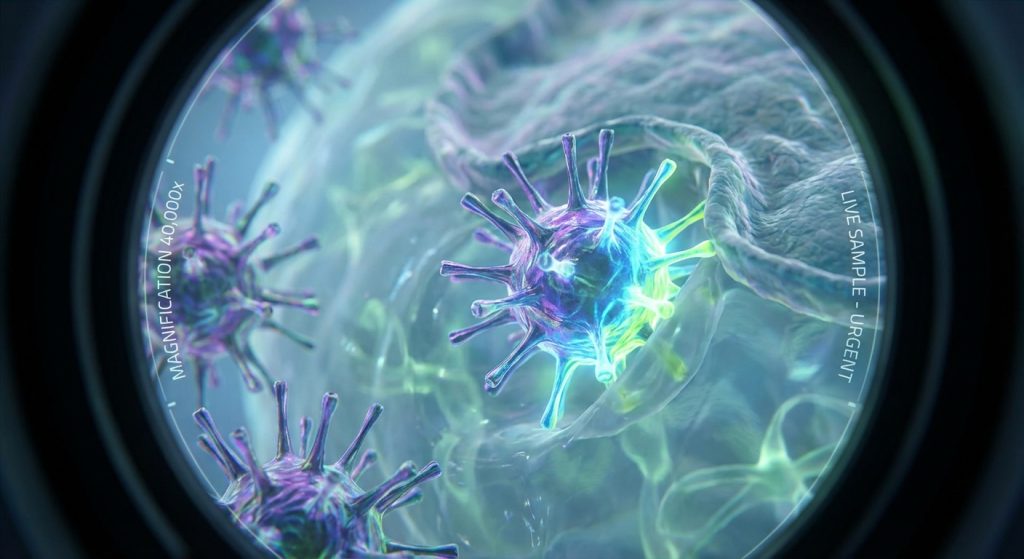
The Rise of Zoonotic Diseases
Many emerging viral threats originate in animals. These are known as zoonotic diseases. They jump from animals to humans. This spillover event can have devastating consequences. Factors like habitat encroachment and climate change increase this risk. For example, bats are known reservoirs for many viruses. Understanding bat microbe diversity is key to predicting future threats.
Several high-profile outbreaks have zoonotic origins. The COVID-19 pandemic is a stark reminder. It is believed to have originated in bats. Similarly, Nipah virus is another serious concern. It also has bats as a natural reservoir. Early detection and understanding of Nipah viral pathogenesis are critical.
Factors Driving Spillover
Several factors contribute to increased zoonotic spillover. These include:
- Habitat Destruction: As forests shrink, wildlife comes into closer contact with humans and livestock.
- Climate Change: Shifting weather patterns can alter animal migration and behavior. This can bring them into new contact zones.
- Globalization and Travel: Rapid movement of people and goods allows viruses to spread across the globe quickly.
- Intensive Agriculture: Large animal farms can be breeding grounds for novel pathogens.
Consequently, a proactive approach is essential. This involves robust zoonotic threat assessments.
Key Emerging Viral Threats
While COVID-19 dominated recent years, other viruses remain a constant concern. These include:
Influenza Viruses
Influenza viruses are notorious for their rapid evolution. They can cause seasonal epidemics and occasional pandemics. Avian influenza strains, like H5N1, pose a significant threat. This is because they have a high mortality rate in humans. Therefore, continuous surveillance is vital. This includes monitoring avian flu and its potential for pandemic spread.
Coronaviruses
Beyond SARS-CoV-2, other coronaviruses exist. Some cause common colds. Others, like SARS and MERS, are more dangerous. Their ability to spread efficiently and cause severe respiratory illness makes them a persistent threat.
Filoviruses (Ebola and Marburg)
These viruses cause severe hemorrhagic fevers. Outbreaks are often sporadic but highly deadly. Their transmission is challenging to control. Therefore, rapid response mechanisms are crucial.
Henipaviruses
Nipah and Hendra viruses belong to this group. They can cause severe encephalitis and respiratory illness. Nipah virus, in particular, has a high fatality rate. Research into Henipavirus entry inhibitors offers hope for new treatments.
The Role of Scientific Research and Surveillance
Combating emerging viral threats requires a multi-faceted approach. Scientific research and robust surveillance systems are paramount. Early detection is key. This allows for swift public health interventions. Therefore, investing in early warning viral systems is essential.
Surveillance Networks
Global surveillance networks are crucial. They monitor for unusual disease patterns in both humans and animals. This includes genomic sequencing. It helps track viral evolution and identify new variants. Furthermore, global henipavirus monitoring is a vital component of this network.
Rapid Diagnostics
Developing rapid and accurate diagnostic tests is critical. This enables quick identification of infected individuals. Consequently, it aids in contact tracing and isolation efforts. Breakthroughs in Nipah diagnostic methods are vital for controlling outbreaks.
Vaccine and Therapeutic Development
The race is always on to develop effective vaccines and treatments. mRNA technology has shown immense promise. This was evident during the COVID-19 pandemic. However, developing vaccines for rapidly mutating viruses like influenza remains a challenge. Research into mRNA Nipah vaccines is ongoing.
Challenges in Pandemic Preparedness
Despite advancements, significant challenges remain. Pandemic preparedness is a complex undertaking. It requires sustained global cooperation. Moreover, it demands substantial investment.
Funding Gaps
Research and public health infrastructure often suffer from underfunding. This is especially true in low-resource settings. Consequently, it leaves them vulnerable to outbreaks. Closing these funding gaps is imperative.
Misinformation and Trust
The spread of misinformation can undermine public health efforts. Building and maintaining public trust is therefore essential. Clear, consistent communication from trusted sources is key. Journalists play a critical role here.
Global Coordination
Viruses do not respect borders. Effective control requires international collaboration. This includes data sharing, resource allocation, and coordinated response strategies. Strong global biosecurity networks are a diplomatic imperative.
The Journalist’s Role in Reporting on Viral Threats
Health journalists are on the front lines of communicating complex scientific information. Their role is indispensable. Accurate reporting builds public understanding and trust. It also informs policy decisions.
Key Reporting Principles
- Accuracy: Always verify information with credible scientific sources.
- Context: Explain the science clearly. Avoid sensationalism.
- Balance: Present different scientific perspectives fairly.
- Human Impact: Tell the stories of those affected.
- Prevention: Highlight preventative measures and public health guidance.
Journalists must also be aware of the nuances of viral shedding. Understanding viral shedding mechanisms helps explain transmission risks.
Looking Ahead: A Proactive Defense
The threat of emerging viruses is ongoing. It requires a sustained and proactive approach. This means continued investment in research. It also necessitates strengthening global health security. Furthermore, fostering public understanding is crucial. Ultimately, our ability to anticipate and respond effectively will determine our resilience.
By embracing scientific advancements and fostering collaboration, we can better face the challenges ahead. This ensures a healthier future for all. Mastering pandemic risk mitigation strategies is key to this endeavor.
Frequently Asked Questions
What is a zoonotic disease?
A zoonotic disease is an illness that spreads from animals to humans. Many emerging viral threats are zoonotic.
Why are bats often linked to emerging viruses?
Bats have unique immune systems. This allows them to carry many viruses without getting sick. They are also highly mobile. This can help spread viruses.
What is the most important factor in preventing viral outbreaks?
Early detection and rapid response are critical. This involves strong surveillance systems and quick implementation of public health measures.
How can journalists best report on viral threats?
Journalists should prioritize accuracy, context, and clear communication. They must rely on credible scientific sources and avoid sensationalism.
Are new viruses emerging more frequently now?
While it may seem that way, increased detection and reporting due to better surveillance and global connectivity likely contribute to this perception. However, factors like habitat loss do increase spillover risk.
