Nipah Protein Structures: A Deep Dive for Biologists
Published on February 13, 2026 by Admin
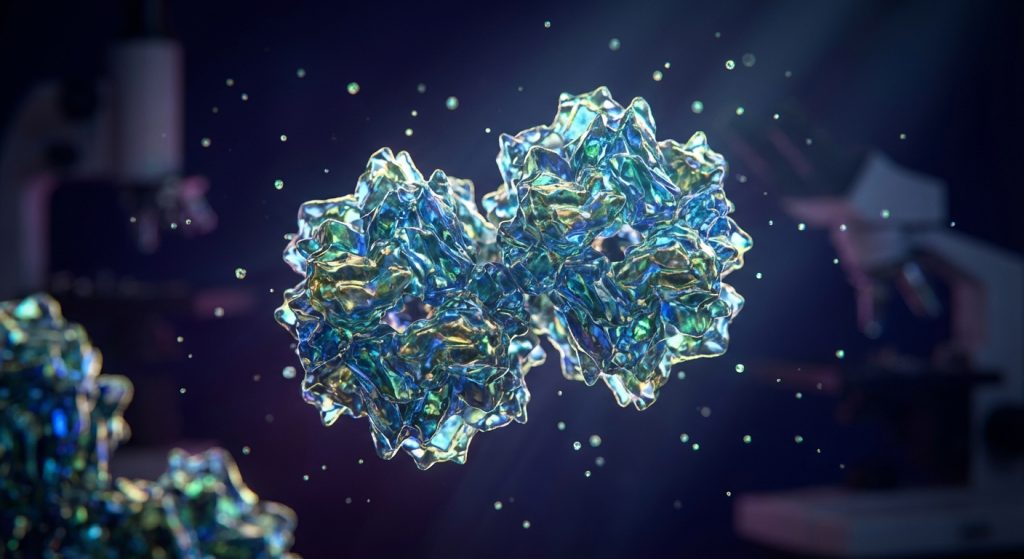
Nipah virus remains a significant global health concern. Understanding its structure is key. This is especially true for structural biologists. They work to unravel the virus’s mechanisms. This knowledge is vital for developing treatments. It also helps in creating effective prevention strategies. Therefore, let’s explore the intricate protein structures of the Nipah virus.
The Nipah Virus: A Brief Overview
Nipah virus (NiV) is a bat-borne zoonotic virus. It belongs to the Paramyxoviridae family. It can cause severe illness in humans. Symptoms range from mild fever to acute respiratory distress. Encephalitis is also a common and dangerous symptom. Sadly, Nipah virus infections have a high mortality rate. The virus was first identified in Malaysia in 1999. Since then, outbreaks have occurred in several Asian countries. Understanding its structure is paramount to fighting this threat.
Key Structural Components of Nipah Virus
The Nipah virus particle is roughly spherical. It has an envelope. This envelope is derived from the host cell membrane. Embedded within the envelope are viral glycoproteins. These proteins are crucial for viral entry. Inside the envelope is the viral nucleocapsid. This contains the viral RNA genome. The nucleocapsid is made of several proteins. Each plays a distinct role.
The Envelope Glycoproteins: Gates of Entry
The Nipah virus envelope is studded with two main glycoproteins. These are the G (glycoprotein) and F (fusion) proteins. These proteins are essential for the virus to infect host cells. They are also primary targets for the immune system. Therefore, they are critical for vaccine development.
The G Protein (Attachment Protein)
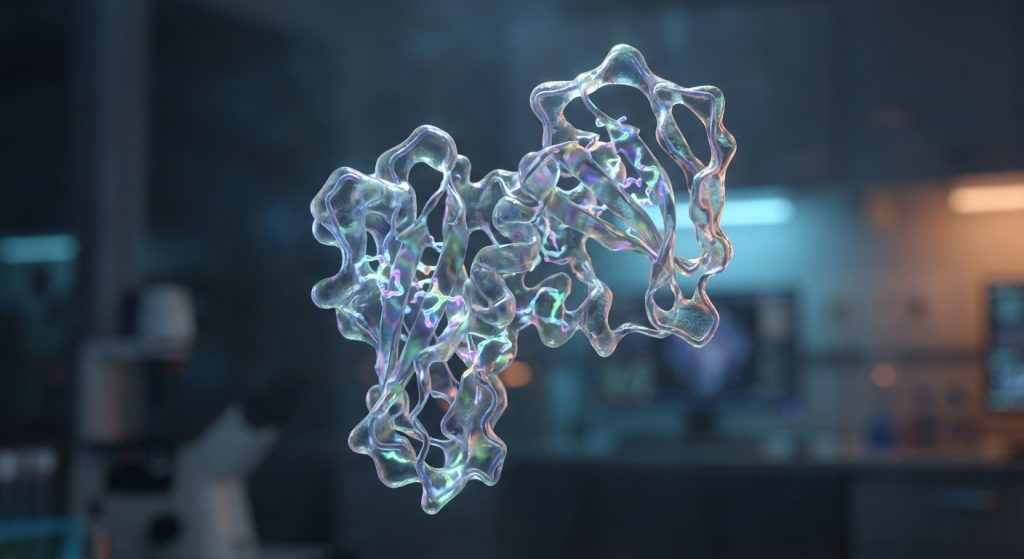
The G protein is responsible for binding to host cell receptors. It mediates the initial attachment of the virus. This binding is a vital first step in infection. Without successful attachment, the virus cannot proceed. Research into the G protein structure is ongoing. Understanding its precise interaction with host receptors can reveal vulnerabilities. This knowledge could lead to new antiviral strategies. For instance, blocking this interaction might prevent infection entirely. The structure of NiV-G reveals a trimeric assembly. This trimerization is important for its function. It also influences how antibodies bind to it. Studying these structures helps us understand antibody binding sites. Therefore, it guides the design of more effective antibodies.
The F Protein (Fusion Protein)
The F protein is equally critical. It facilitates the fusion of the viral envelope with the host cell membrane. This fusion process allows the viral genetic material to enter the cell. The F protein undergoes a dramatic conformational change. This change is triggered by binding to the G protein and receptor interaction. This conformational change is essential for membrane fusion. Structural studies of the F protein are complex. They often involve different states of the protein. These include the pre-fusion and post-fusion forms. Understanding these transitions is key. It helps reveal how the fusion machinery operates. This insight is invaluable for developing fusion inhibitors. These inhibitors could block viral entry. Consequently, they would stop the infection cycle. Studies have shown that the NiV F protein also forms trimers.
The Nucleocapsid Complex: Protecting the Genome
The Nipah virus genome is single-stranded RNA. It is negative-sense. The nucleocapsid protein (N) encapsidates this RNA. It forms a helical structure. This protects the RNA from degradation. It also plays a role in viral replication. The N protein binds to the RNA. It forms the nucleocapsid core. The viral phosphoprotein (P) is also a part of this complex. It is a multifunctional protein. It acts as a cofactor for the RNA-dependent RNA polymerase. It also plays roles in viral assembly and transcription. The large (L) protein is the viral RNA polymerase. It is responsible for replicating and transcribing the viral RNA. Structural data for these internal proteins are less abundant. However, they are crucial for viral replication. Understanding their interactions is vital for developing inhibitors that target these processes. The N protein’s structure is well-characterized. It forms a stable complex with the viral RNA.
Structural Insights and Their Implications
The determination of Nipah virus protein structures has been a significant achievement. Techniques like X-ray crystallography and cryo-electron microscopy (cryo-EM) have been instrumental. These methods allow scientists to visualize proteins at atomic resolution. This detailed understanding has several key implications:
- Drug Discovery: Knowing the exact 3D shape of viral proteins helps in designing drugs. Specifically, drugs that can bind to these proteins. They can block their function. This is the basis of rational drug design.
- Vaccine Development: Surface glycoproteins are prime targets for vaccines. Understanding their structure allows for the design of immunogens. These are molecules that can elicit a strong immune response. For example, researchers can create stabilized versions of the F or G proteins. These can then be used in vaccine candidates.
- Understanding Viral Mechanisms: Structural data provides insights into how the virus enters cells. It also helps explain how it replicates and assembles. This fundamental knowledge is the bedrock of all antiviral efforts.
- Serological Assays: Structural information can aid in developing better diagnostic tests. These tests can detect antibodies against the virus. They can also help identify viral antigens.
Challenges and Future Directions
Despite significant progress, challenges remain. Nipah virus is a biosafety level 4 (BSL-4) pathogen. This means working with it requires highly specialized containment facilities. This can make structural studies difficult and resource-intensive. Furthermore, the virus can mutate. This means its protein structures might change over time. Therefore, continuous research is needed.
Future research will likely focus on:
- Determining the structures of viral proteins in complex with inhibitors.
- Investigating the structural basis of viral evolution and drug resistance.
- Developing more efficient methods for structure determination of BSL-4 viruses.
- Exploring the structures of Nipah virus complexes with host cell factors.
Moreover, understanding the structural basis of Nipah virus pathogenesis is crucial. This involves studying how viral proteins interact with host cellular machinery. Such interactions can lead to the severe disease manifestations observed. For example, understanding how viral proteins disrupt host cell functions can reveal new therapeutic targets. This is a complex area. It requires integrating structural biology with cell biology and virology. The structural information obtained can also inform our understanding of other henipaviruses. This includes Hendra virus. Therefore, it has broader implications for emerging viral threats.
The Role of Structural Biology in Combating Nipah
Structural biology plays an indispensable role. It provides the atomic-level blueprints of the virus. These blueprints are essential for designing effective countermeasures. Without this detailed understanding, drug and vaccine development would be largely empirical. Structural studies allow for a targeted approach. This speeds up the discovery process. It also increases the likelihood of success. The fight against Nipah virus is a prime example of how fundamental research translates into tangible public health benefits. It highlights the importance of investing in structural biology. This is especially true for emerging infectious diseases. As we continue to face viral threats, the insights gained from Nipah virus protein structures will remain invaluable. They contribute to our preparedness for future outbreaks.
Frequently Asked Questions (FAQ)
What is the main function of the Nipah virus G protein?
The G protein’s primary role is to bind to host cell receptors. This attachment is the first step in the viral infection process.
How does the Nipah virus F protein contribute to infection?
The F protein mediates the fusion of the viral envelope with the host cell membrane. This allows the virus’s genetic material to enter the cell.
Why is determining the structure of Nipah virus proteins important?
Knowing the 3D structure of viral proteins is crucial for rational drug design and vaccine development. It helps identify targets for therapeutic intervention.
What are the main techniques used to study Nipah virus protein structures?
Key techniques include X-ray crystallography and cryo-electron microscopy (cryo-EM). These methods provide high-resolution images of the protein structures.
Are there any treatments available for Nipah virus infection?
Currently, there is no specific antiviral treatment approved for Nipah virus infection. Treatment is supportive, focusing on managing symptoms and complications. However, research into antiviral drugs and vaccines is ongoing, often guided by structural biology insights.
Conclusion
The structural elucidation of Nipah virus proteins is a testament to scientific progress. It offers critical insights into viral pathogenesis and provides a foundation for developing effective interventions. As structural biologists continue to probe these complex molecular architectures, hope grows for better control and eventual eradication of this deadly virus. The detailed understanding of Nipah virus protein structures is not just an academic pursuit; it is a vital step in safeguarding global health.