
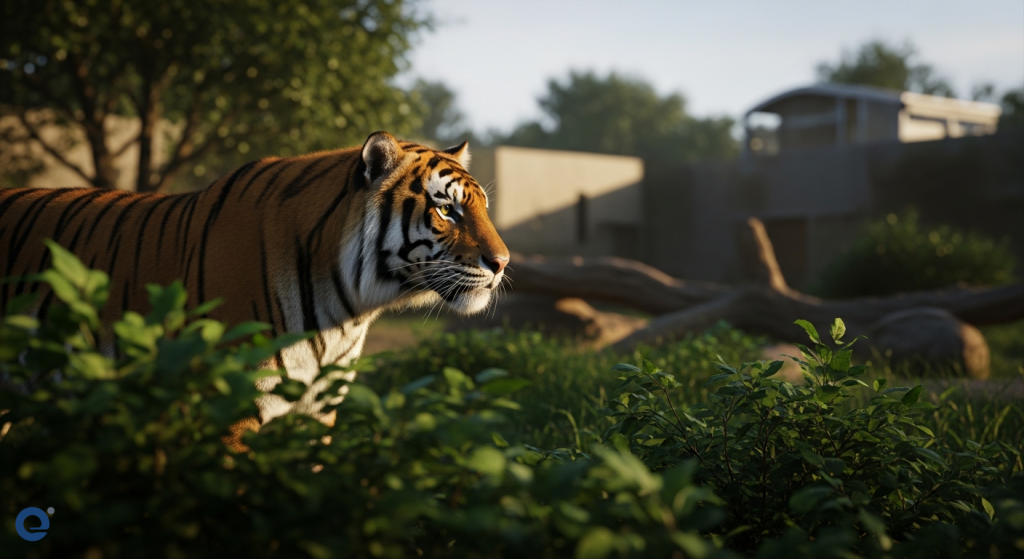
In today’s rapidly changing world, the role of zoos has dramatically evolved. Once viewed primarily as places of entertainment, modern zoos are now vital centers for animal preservation, scientific research, and public education. Therefore, understanding their multifaceted contributions is crucial for educators, visitors, and researchers alike. This article explores the indispensable functions of contemporary zoological institutions.
The Shifting Landscape of Zoos
Historically, zoological parks focused on exhibiting exotic animals for public amusement. However, the increasing awareness of biodiversity loss and environmental degradation has prompted a significant transformation. Zoos have embraced new responsibilities, aligning their operations with conservation efforts. This shift is a direct response to the biodiversity crisis and evolving societal expectations.
The modern zoo’s mission is multi-faceted. It now prioritizes conservation, education, entertainment, and research. This comprehensive approach guides their actions and ensures their relevance in a world facing unprecedented environmental challenges. As human populations grow and resource demands increase, natural habitats shrink, pushing many species towards extinction.
Conservation: A Cornerstone of Modern Zoos
One of the most critical roles of modern zoos is species conservation. Zoos actively participate in breeding programs for endangered animals. These programs aim to maintain healthy, genetically diverse populations in captivity. This is essential for species that are critically threatened in the wild.
Furthermore, zoos contribute to conservation biology. They provide invaluable data and resources for understanding animal health and behavior. This knowledge is then applied to conservation strategies in the wild. For instance, zoos are instrumental in the saving of endangered species through captive breeding and reintroduction initiatives.
The Wildlife Conservation Society (WCS), headquartered at the Bronx Zoo, exemplifies this commitment. Their work is invaluable in combating species decline and extinction. Therefore, the modern zoo serves as a crucial vessel for protecting the animal kingdom.
Education: Inspiring the Next Generation
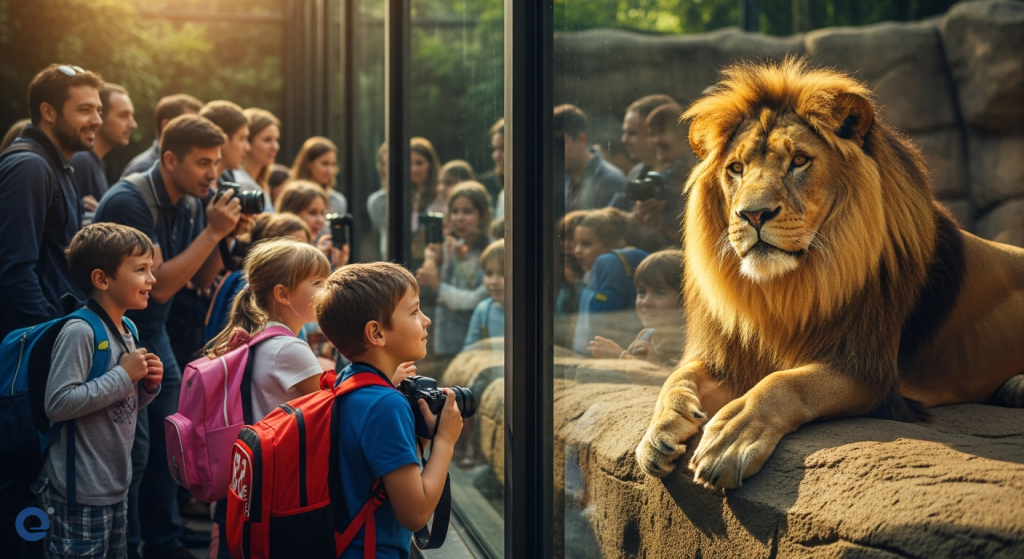
Zoos play a pivotal role in educating the public about wildlife and conservation issues. They offer immersive experiences that connect people with animals they might otherwise never see. This direct interaction fosters empathy and a deeper appreciation for the natural world.
Educational programs in zoos range from interactive exhibits to guided tours and school outreach initiatives. These programs aim to raise awareness about threats facing wildlife, such as habitat loss and climate change. Consequently, they inspire a commitment to preservation among visitors of all ages.
By providing a window into the lives of diverse species, zoos help cultivate a sense of global responsibility. They teach about the interconnectedness of ecosystems and the importance of biodiversity. Thus, they are instrumental in fostering a new generation dedicated to protecting all species.
Research: Advancing Animal Science
Scientific research is another fundamental pillar of modern zoological institutions. Zoos provide unique opportunities for researchers to study animal behavior, physiology, and genetics. This research is vital for understanding animal welfare and developing effective conservation strategies.
Captive environments allow for controlled studies that are often impossible in the wild. Researchers can monitor animal health, reproductive success, and responses to environmental changes. This data is crucial for informing conservation efforts and improving animal care.
For example, studies on animal welfare in zoos contribute to better enclosure design and management practices. This ensures that animals in captivity lead fulfilling lives. Moreover, research into reproductive biology can be critical for breeding programs of species facing extinction. The insights gained from zoo-based research can also inform veterinary science, potentially leading to breakthroughs in treating both captive and wild animals. For instance, advancements in understanding animal pain can lead to better care, a topic also relevant to recognizing subtle signs of discomfort in pets.
The Impact of Human Activity
The need for zoos and their conservation efforts is underscored by the profound impact of human activities on the planet. Rapid population growth leads to increased demand for resources. This, in turn, results in pollution, climate change, and the destruction of natural habitats.
As humans expand into previously untouched lands for living space and agriculture, wildlife loses its territory and food sources. This encroachment is a primary driver of species decline. Therefore, the role of zoos in preserving these threatened species becomes even more critical.
The abstract for “The Role of Modern Zoos in Wildlife Conservation: From the WCS to the Wild” highlights this point, stating that humanity’s consumption of resources is adversely affecting animal species. It notes that with little food or territory, many species begin their dramatic decline towards extinction. This situation makes the work of zoological parks indispensable.
Addressing Criticism and Misconceptions
Despite their vital contributions, modern zoos often face criticism. Some critics argue that zoos merely serve to exhibit wildlife for human benefit. They question the ethics of keeping animals in enclosures, regardless of the conditions.
However, these arguments often stem from a superficial understanding of the work zoos undertake. Modern zoos are deeply committed to conservation and animal welfare. Their facilities are designed to meet the complex needs of the animals housed there. Moreover, the research conducted within zoos directly benefits wild populations.
The abstract of “The Role of Zoos and Aquariums in a Changing World” acknowledges this criticism. It states that there is increasing scrutiny toward the outcomes of their actions and the holding of species in their facilities. However, it also emphasizes that modern zoos have the opportunity to educate, contribute to conservation, and produce research.
Ethical Considerations and Animal Welfare
Animal welfare is a paramount concern for reputable zoos. They invest heavily in creating environments that mimic natural habitats as closely as possible. This includes providing appropriate social structures, enrichment activities, and veterinary care.
The focus has shifted from mere exhibition to ensuring the physical and psychological well-being of each animal. Zoos employ specialists in animal behavior and veterinary medicine to monitor and enhance welfare standards. Thus, the ethical considerations are at the forefront of zoo management.
Furthermore, zoos are often at the forefront of developing and implementing best practices in animal husbandry. This commitment to welfare extends beyond their own walls, influencing standards across the zoological community. Understanding animal behavior is also key to managing populations effectively, whether in captivity or in the wild. For instance, knowledge of herd dynamics and social structures can inform how social animals are housed and managed.
Future Perspectives for Zoos
The future of zoos is intrinsically linked to their ability to adapt to evolving societal expectations and scientific advancements. They must continue to innovate in conservation, education, and research.
One area of significant future development is the use of advanced technologies in research. This includes genetic analysis, which is crucial for understanding species’ evolutionary history and health. Innovations in genetic research are vital for saving vulnerable populations. You can learn more about this in our article on DNA: The Blueprint for Saving Wildlife.
Zoos will also likely play an increasingly important role in addressing global environmental challenges. This includes contributing to efforts to combat climate change and its impact on wildlife. Their ability to engage the public on these critical issues will be key to their long-term success.
The ongoing challenge for zoos is to maintain public trust and demonstrate their tangible impact on conservation. Transparency and continuous improvement in animal welfare are essential for this. Therefore, their commitment to science-based practices will be decisive.
Frequently Asked Questions (FAQ)
What is the primary role of modern zoos?
The primary roles of modern zoos are species conservation, public education, scientific research, and providing a positive entertainment experience. They have shifted from mere exhibition to active participation in preserving wildlife and ecosystems.
How do zoos contribute to saving endangered species?
Zoos contribute through captive breeding programs, establishing genetically diverse populations, and sometimes reintroducing animals back into their natural habitats. They also fund and conduct field research and conservation projects. Their efforts are crucial for species on the brink of extinction.
Are zoos still relevant in the age of digital media?
Yes, zoos remain highly relevant. While digital media can educate, zoos offer unique in-person experiences that foster a deeper emotional connection with animals and nature. This connection is vital for inspiring conservation action. They provide a tangible link to the natural world that screens cannot replicate.
What ethical considerations do zoos address?
Zoos address ethical considerations by prioritizing animal welfare, ensuring appropriate living conditions, providing enrichment, and offering high-quality veterinary care. They also engage in research to continuously improve animal husbandry and conservation strategies.
Can zoos truly replicate natural habitats?
While zoos strive to replicate natural habitats as closely as possible, it is an ongoing challenge. Modern zoos use advanced techniques in exhibit design and animal management to provide environments that meet the physical, social, and psychological needs of their animals. The goal is to provide the best possible quality of life and contribute to conservation outcomes.
