
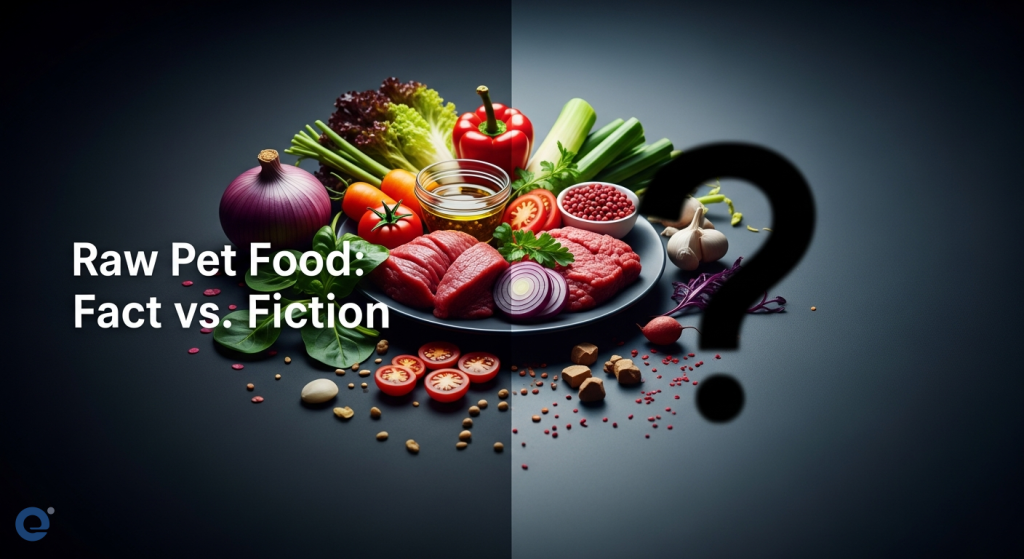
The debate around raw food diets for pets is heating up. Many owners are curious. They want the best for their furry friends. However, navigating the claims can be confusing. This article dives deep. We explore the truth about raw diets. We weigh the perceived benefits against the real risks.
Understanding the Appeal of Raw Diets
Why are so many owners turning to raw food? The primary motivation often stems from a desire to mimic a pet’s ancestral diet. Proponents believe this approach offers superior health outcomes. They suggest it leads to better coats, healthier teeth, and improved overall vitality. Indeed, some owners feeding raw diets rank their own knowledge of canine nutrition higher than their veterinarian’s. They also tend to rate raw diets as highly nutritious more often than commercially cooked options. For example, one survey found that 83.5% of owners feeding commercial raw diets rated them as highly nutritious. Similarly, 73.6% of owners feeding homemade raw diets felt the same way. In contrast, only 12.5% of all participants rated commercially cooked diets as highly nutritious.
The words “health” and “better” are frequently cited by owners as reasons for choosing raw. Other commonly mentioned benefits include improved coat condition and dental health. This suggests a strong belief in the natural advantages of a raw food diet. However, it is important to note that owners who do not feed raw diets often use more specific terms like “expensive,” “time-consuming,” or “risk” to explain their choices.
Perceived Benefits of Raw Diets
Owners who feed raw diets often report a range of positive changes in their pets. These perceived benefits are a major driving force behind the trend. Let’s look at some of the most commonly cited advantages:
- Improved Coat Quality: Many owners notice shinier, softer fur. They attribute this to the natural fats and proteins found in raw meat.
- Better Dental Health: The act of chewing raw bones and meat can help clean teeth. This can reduce plaque and tartar buildup.
- Increased Energy Levels: Some owners report their pets seem more energetic and active on a raw diet.
- Reduced Allergies and Sensitivities: A subset of owners believe raw diets can help manage pet allergies. They suggest it’s due to fewer processed ingredients.
- Digestive Health: Anecdotal evidence suggests improved digestion and smaller, firmer stools. This is thought to be due to the higher digestibility of raw ingredients.
While these benefits are compelling to many owners, it is crucial to examine the scientific evidence supporting them. Many of these claims are based on owner observations rather than rigorous scientific studies. The perception of “health” and “better” is powerful, but it doesn’t always align with proven nutritional science.
The Scientific View: Risks and Nutritional Concerns
Veterinary professionals and many researchers express significant concerns about raw food diets. These concerns primarily revolve around two main areas: nutritional imbalances and microbial contamination. The practice of feeding raw meat-based diets (RMBDs) is increasing. However, there is a lack of robust scientific evidence to support many of the claimed benefits. Furthermore, there are documented risks associated with this feeding approach.
Nutritional Imbalances: A Hidden Danger
Formulating a complete and balanced diet for a pet is complex. It requires precise ratios of proteins, fats, carbohydrates, vitamins, and minerals. Homemade raw diets, in particular, often lack proper balance. This can lead to nutritional deficiencies or excesses over time. For instance, a diet lacking essential nutrients can cause serious health problems. Conversely, an excess of certain nutrients can also be harmful. This is why consulting a veterinary nutritionist is highly recommended for anyone considering a homemade diet. Resources like Balance.IT can assist pet owners in creating balanced homemade meals. However, even with guidance, ensuring complete and balanced nutrition can be challenging.
Commercial raw diets also face scrutiny. While some are formulated by veterinary nutritionists, others may not be as rigorously tested. Many boutique brands prioritize appealing ingredient lists over actual nutritional balance. They often do not conduct feeding trials, which are essential for scientifically validating a diet’s completeness and appropriateness for a pet’s life stage. Price does not always reflect quality. Some brands charge more for marketing and packaging rather than superior nutrition. Unlike larger manufacturers that invest in research, many smaller brands focus on marketing tactics.
Microbial Contamination: A Threat to Pets and People
Raw meat is a breeding ground for bacteria. This is a significant concern for both pets and their human families. Common pathogens found in raw meat include Salmonella, E. coli, and Listeria. Pets that consume raw diets can shed these bacteria in their stool. This poses a risk of transmission to humans, especially to vulnerable populations like young children, the elderly, and immunocompromised individuals. In fact, cases of avian flu in cats have recently been linked to raw diets, highlighting the potential for zoonotic disease transmission.
Surveys in Europe and North America have consistently found Salmonella species in a proportion of raw pet food samples, typically fresh-frozen commercial diets. Another emerging issue is the risk of introducing antimicrobial-resistant bacteria. Raw pet food often exceeds hygiene thresholds for counts of Enterobacteriaceae. These bacteria can encode resistance to critically important antibiotics. As a result, raw-fed pets can become carriers and shed these resistant bacteria, contributing to the growing crisis of antibiotic resistance. This is a serious public health concern. The risk of introducing exotic agents, such as the zoonotic livestock pathogen Brucella suis, has also been identified in imported raw pet meat.
The Veterinary Perspective
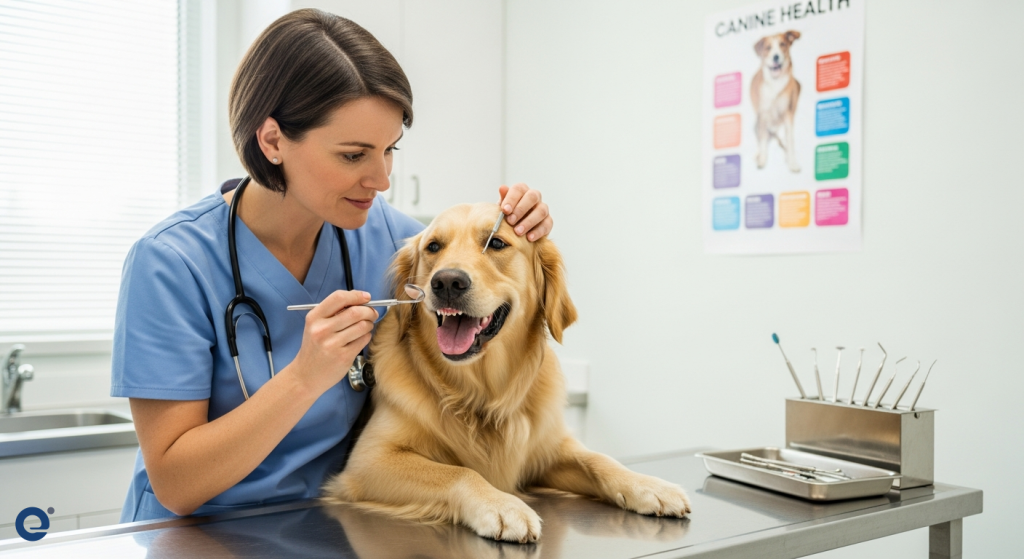
Veterinary professionals generally advise caution regarding raw food diets. While they acknowledge the owner’s desire to provide the best for their pets, they emphasize the scientific evidence and potential risks. The American Veterinary Medical Association (AVMA) and other professional organizations have issued statements expressing concerns about the safety of raw diets. They highlight the potential for bacterial contamination and nutritional deficiencies.
The perception gap between owners and veterinarians is significant. A study found that owners who fed raw diets tended to rank their veterinarian’s knowledge lower. They also rated their own knowledge of canine nutrition higher. This disparity underscores the need for better communication and education. Veterinarians play a crucial role in providing accurate, science-based information to pet owners. They can help owners make informed decisions about their pet’s nutrition.
Furthermore, the idea that raw diets are inherently “natural” and therefore healthier is often challenged. Wild animals consume raw meat, but they are also susceptible to diseases and parasites. These factors contribute to shorter lifespans in the wild. Domestic pets, with proper care and scientifically formulated diets, can often live longer, healthier lives than their wild counterparts. This is especially true when considering the risks of malnutrition and infection inherent in a raw diet.
Comparing Raw Diets to Commercial Cooked Diets (CCDs)
Commercially cooked diets (CCDs) are formulated to meet specific nutritional standards. They undergo rigorous testing and quality control. This ensures they are safe, balanced, and appropriate for different life stages and breeds. While some owners perceive CCDs as less “natural” or “nutritious,” they offer significant advantages in terms of safety and nutritional completeness.
Owners who feed CCDs generally agree that they are low risk to human health. This is a stark contrast to the perceptions surrounding raw diets. While owners feeding raw diets rarely deem their chosen diet as highly risky to human or dog health (under 20%), they often deem CCDs risky to animal health over 65% of the time. This highlights a significant difference in risk perception.
The development of CCDs involves extensive research and scientific validation. Major pet food manufacturers invest heavily in nutritional research, quality assurance, and feeding trials. This ensures that their products provide consistent, reliable nutrition. This scientific backing is often absent in many boutique or homemade raw food options. The focus for CCDs is on providing complete and balanced nutrition backed by science, rather than appealing ingredient lists or marketing claims.
The Grain-Free Debate: A Related Concern
It’s worth noting that the popularity of raw diets sometimes overlaps with other pet food trends, such as grain-free diets. However, grain-free diets have also come under scrutiny. Research has linked them to heart disease, specifically dilated cardiomyopathy (DCM), in dogs. The FDA has been investigating this connection. Veterinary professionals generally advise against feeding grain-free diets unless specifically recommended by a veterinarian. Grains, contrary to common belief, are not harmful to most pets. They provide valuable nutrients like fiber and essential carbohydrates. The idea that grain-free is automatically better is a significant misconception in pet nutrition.
Making Informed Decisions: What Pet Owners Need to Know
Choosing the right diet for your pet is a critical decision. It impacts their health, well-being, and longevity. While the allure of a “natural” raw diet is understandable, it’s essential to prioritize science-backed nutrition and safety.
Key Considerations for Pet Owners:
- Nutritional Completeness: Ensure the diet provides all essential nutrients in the correct proportions. Consult a veterinary nutritionist for homemade diets.
- Microbial Safety: Be aware of the risks of bacterial contamination in raw foods. Implement strict hygiene practices if choosing a raw diet.
- Veterinary Consultation: Always discuss dietary choices with your veterinarian. They can provide personalized advice based on your pet’s specific needs.
- Scientific Evidence: Look for diets backed by research and feeding trials. Be wary of marketing claims that lack scientific support.
- Risk Assessment: Understand the potential risks to both your pet and your household members.
The practice of feeding RMBDs is a topic of increasing interest. However, despite the growing number of owners adopting them, the research around the risks, particularly nutritional imbalances and microbial contamination, remains significant. The perceived benefits, while strong for many owners, often lack robust scientific validation. Therefore, a balanced approach that prioritizes pet health and safety, informed by veterinary expertise and scientific evidence, is paramount.
Frequently Asked Questions About Raw Pet Food Diets
What are the main perceived benefits of raw food diets for pets?
Owners often report perceived benefits such as improved coat quality, better dental health, increased energy levels, and potential reduction in allergies. These are frequently attributed to the “natural” composition of raw ingredients.
What are the primary risks associated with raw food diets?
The main risks include nutritional imbalances, especially with homemade diets, and microbial contamination from bacteria like Salmonella and E. coli. These bacteria can pose a threat to both pets and humans.
Can raw food diets transmit diseases to humans?
Yes, pets fed raw diets can shed bacteria in their feces, which can then be transmitted to humans. This is a particular concern for young children, the elderly, and immunocompromised individuals. Recent cases of avian flu in cats linked to raw diets also highlight this risk.
Are commercial raw food diets safe?
While some commercial raw diets are formulated by veterinary nutritionists, they can still carry a risk of bacterial contamination. Rigorous hygiene practices during preparation and handling are crucial. Not all commercial raw diets are scientifically tested for complete and balanced nutrition.
How do raw food diets compare to commercially cooked diets?
Commercially cooked diets are generally considered safer due to heat treatment, which kills most harmful bacteria. They are also formulated to be nutritionally complete and balanced, backed by scientific research and feeding trials. Raw diets are perceived by many owners as more natural but carry higher risks.
Should I consult a veterinarian before switching my pet to a raw diet?
Absolutely. Your veterinarian can provide evidence-based advice on the risks and benefits of raw diets, assess your pet’s individual health needs, and help you make the safest and most appropriate dietary choices.
What are the concerns regarding grain-free diets and pet health?
Research has linked some grain-free diets to a higher incidence of dilated cardiomyopathy (DCM) in dogs. Veterinary professionals generally advise caution with grain-free diets unless specifically medically necessary for the pet.
