
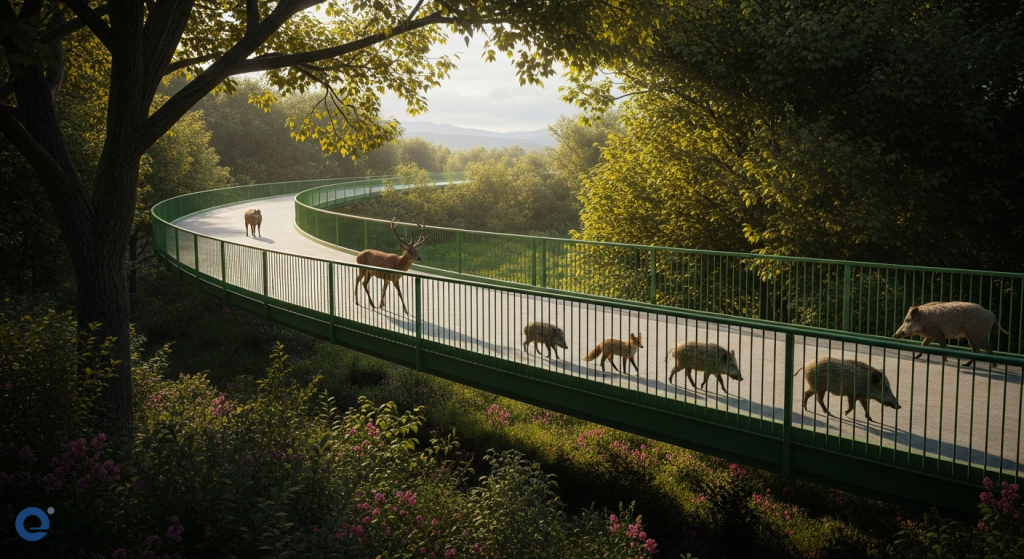
Roads are a major threat to wildlife. They fragment habitats and cause many animal deaths. This is often called road mortality. Fortunately, we have solutions. Wildlife crossing structures (WCS) and other mitigation measures can help. These structures allow animals to cross roads safely. This article explores how these bridges work. It also discusses factors affecting their use.
Urban developers and wildlife ecologists face a growing challenge. They must balance human infrastructure with ecological needs. Road mortality is a significant concern. It impacts biodiversity and ecosystem health. Therefore, understanding and implementing effective mitigation is crucial. This guide provides insights into wildlife bridge construction and its impact.
The Problem: Roads and Wildlife Collisions
Roads are more than just pathways for vehicles. They act as barriers in natural landscapes. Roads divide habitats. This makes it hard for animals to move between areas. It also isolates populations. This isolation can lead to genetic problems over time.
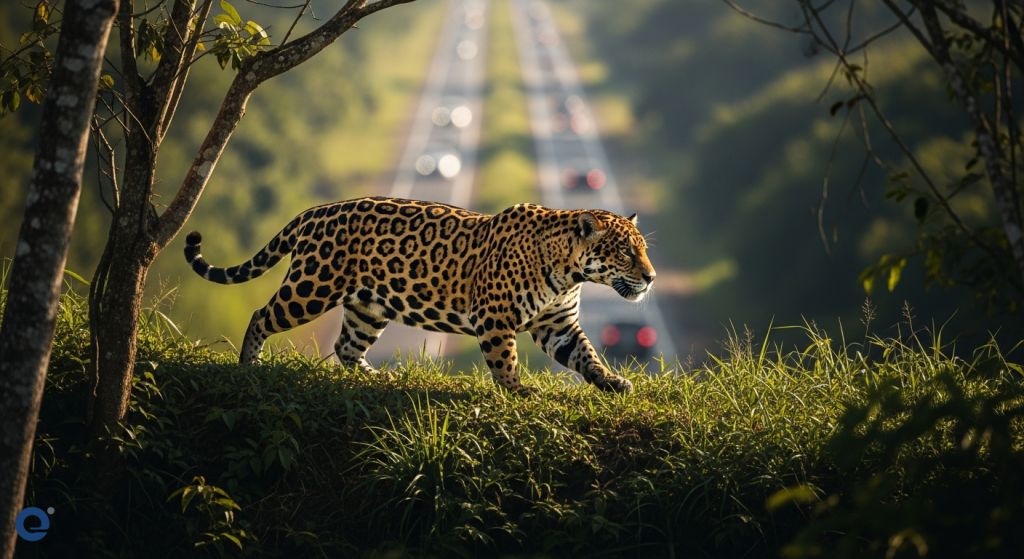
Furthermore, roads are dangerous for wildlife. Animals often try to cross them. This leads to frequent wildlife-vehicle collisions. These collisions result in animal deaths. This is known as road mortality. It significantly impacts many species. Endangered species are particularly vulnerable.
The study of mitigation structures in South Texas highlighted this issue. Structures were built along a highway. The goal was to reduce road mortality for ocelots. Ocelots are an endangered species. However, these structures also affected non-target wildlife. Examining these effects is vital for effective planning.
Introducing Wildlife Crossing Structures (WCS)
Wildlife crossing structures are designed to solve this problem. They are essentially bridges or tunnels. These allow animals to safely cross under or over roads. They reconnect fragmented habitats. This helps maintain wildlife movement and genetic diversity.
These structures can take many forms. Some are large overpasses covered in vegetation. Others are smaller underpasses. The design often depends on the target species. It also considers the local environment. Fencing is often used in conjunction with WCS. This guides animals towards the crossing points.
Wildlife guards (WG) are another type of mitigation. They aim to prevent animals from entering roadways. However, their effectiveness can vary. Sometimes, they can even increase negative interactions for certain species. This shows the complexity of designing effective solutions.
Effectiveness and Usage of Wildlife Crossings
Assessing the effectiveness of WCS is key. Researchers use various methods. Camera traps are a common tool. They monitor wildlife interactions with these structures. This helps understand usage patterns. It also reveals which species are using them.
Studies have shown mixed results over time. In some cases, wildlife use of WCS increases after construction. This suggests animals become accustomed to them. For instance, studies in Florida and southern California reported increased WCS use post-construction. This indicates that WCS can indeed facilitate movement across roads. This trend suggests animals adapt to these new passages over time.
However, other studies show different patterns. One study in South Texas found that crossings through WCS decreased after construction. Conversely, repel interactions at wildlife guards (WG) increased. This indicates that the design and type of structure matter. It also highlights that some structures might deter certain animals.
Factors Influencing Wildlife Use
Several environmental factors can influence how wildlife use WCS. These include structural characteristics and the surrounding environment.
- Structural Dimensions: The size and shape of a WCS are important. Openness ratios can affect usage. Higher openness might lead to fewer crossings in some cases.
- Vegetation Proximity: The distance to nearby vegetation can play a role. Animals may prefer crossings closer to cover. However, one study found this factor had minimal influence.
- Water Presence: The presence of water can be a factor. Pooled water at a WCS decreased crossings when water levels were highest. However, it was not a barrier at lower levels.
- Environmental Conditions: Weather and temperature also matter. Crossings decreased during periods of precipitation. Higher daily temperatures also saw fewer crossings.
These factors can influence different species in different ways. What works for one animal might not work for another. Therefore, a variety of structures might be needed. This ensures benefits for a diversity of wildlife species.
Designing Effective Wildlife Crossings
Successful wildlife bridge construction requires careful planning. It involves understanding the local wildlife and landscape. Several design principles are crucial.
Choosing the Right Structure Type
There isn’t a one-size-fits-all solution. Different species have different needs. For example, arboreal species might need overpasses with trees. Ground-dwelling animals might prefer underpasses.
Studies on white-tailed deer and cattle guards show this. Cattle guards with straight crossbars were effective. They restricted ungulate movement. This suggests specific designs can deter certain animals. Understanding these preferences is key to designing effective barriers and passages.
Considering Structural Dimensions
The dimensions of a WCS are critical. This includes width, height, and length. A structure that is too narrow might deter larger animals. One that is too short might not feel safe.
The openness ratio, as mentioned earlier, is also significant. It refers to the ratio of open space to the total area of the structure. This can influence the perceived safety and suitability for different species. Research indicates that varying configurations of WCS can be beneficial. This allows for a range of species to use them.
Integrating with the Landscape
The surrounding landscape is as important as the structure itself. Vegetation plays a vital role. Animals often feel safer when there is cover. Planting native vegetation on and around WCS can encourage use.
Connectivity is another key aspect. WCS should connect viable habitat patches. They should not lead animals into unsuitable areas. This requires a thorough understanding of the local ecosystem. It also means considering how animals naturally move through the landscape.
Beyond Bridges: Other Mitigation Measures
While wildlife bridges are prominent, other measures also help. These are often used in combination with WCS.
- Fencing: Strategically placed fencing can guide animals towards crossings. It can also prevent them from entering dangerous road sections.
- Wildlife Guards (WG): These are often used at entry points to restricted areas. They aim to deter animals, but their effectiveness varies.
- Underpasses: Smaller culverts and tunnels can serve as underpasses. These are suitable for smaller mammals and amphibians.
- Rumble Strips: These can alert drivers to potential wildlife crossings. They encourage drivers to slow down.
- Signage: Warning signs alert drivers to areas with high wildlife activity.
The effectiveness of these measures can be influenced by environmental factors. For instance, the presence of water near a crossing can deter some animals. However, it might be essential for others, like amphibians.
Case Study: Texas Ocelots and Mitigation Structures
The study in South Texas provides valuable insights. It focused on structures designed for endangered ocelots. Researchers monitored wildlife interactions. They used camera traps to collect data.
The study examined changes over time. They looked at usage during and after construction. They also assessed the influence of environmental factors. This research aimed to understand how different structure types and features affected wildlife use.
The findings were complex. While crossings at WCS decreased post-construction, repels at WG increased. This suggests a need for tailored solutions. Different species react differently to various structures. Understanding these differential uses is crucial for optimizing mitigation strategies.
Lessons Learned for Developers and Ecologists
This case study offers several takeaways.
- Species-Specific Needs: Mitigation efforts must consider the specific needs of target species. What works for an ocelot might not work for a deer.
- Structural Design Matters: The physical characteristics of WCS and WG significantly impact their use.
- Environmental Context is Key: Factors like vegetation and water presence influence animal behavior.
- Monitoring is Essential: Continuous monitoring helps assess effectiveness. It also allows for adjustments to designs and strategies.
For urban developers, this means integrating ecological considerations early. Working with wildlife ecologists ensures designs are effective. This approach can prevent costly mistakes and improve conservation outcomes.
The Future of Wildlife Crossings
As infrastructure expands, so does the need for effective wildlife mitigation. Technology is playing a larger role. Advanced sensors and AI can help monitor wildlife more effectively. This provides better data for planning.
Innovative designs are also emerging. These include more naturalistic crossings. They aim to blend seamlessly with the environment. This makes them more appealing to wildlife. It also reduces the visual impact on the landscape.
The long-term goal is to create a network of connected habitats. This network will support healthy wildlife populations. It will also enhance the resilience of ecosystems. This benefits both wildlife and human communities. Protecting wildlife connectivity is crucial for biodiversity conservation.
Frequently Asked Questions (FAQ)
What is the primary goal of wildlife bridge construction?
The primary goal is to reduce wildlife-vehicle collisions and habitat fragmentation. This allows animals to move safely between areas separated by roads.
Are wildlife bridges only for endangered species?
No, while they are often built for endangered species, wildlife bridges benefit a wide range of non-target wildlife species as well. They help maintain general habitat connectivity.
What are some factors that influence the use of wildlife crossings?
Factors include the structure’s size and openness ratio, proximity to vegetation, presence of water, and prevailing weather conditions like precipitation and temperature.
Can wildlife guards be a problem?
Yes, sometimes wildlife guards can increase repel interactions for certain species, indicating they might deter rather than guide animals effectively in some contexts.
How can urban developers and ecologists collaborate effectively on these projects?
Collaboration involves integrating ecological needs into urban planning from the outset. This includes thorough site assessments, species-specific research, and ongoing monitoring of mitigation structures.
By understanding the challenges and solutions presented, urban developers and wildlife ecologists can work together. They can create infrastructure that coexists with nature. This leads to safer roads and healthier wildlife populations.
