Plants’ Secret Defenses: Battling Pests & Disease
Published on December 31, 2025 by Admin
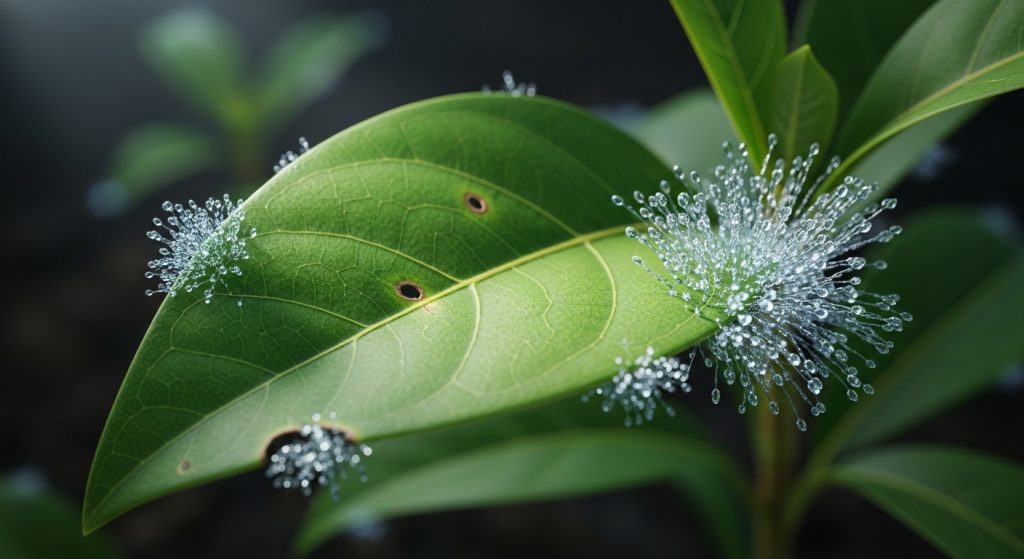
Feeding a growing world is a significant challenge. Pests and diseases threaten our crops, leading to substantial losses. For a long time, chemicals were the go-to solution. However, these can harm the environment and are becoming less effective due to pest resistance. Fortunately, plants have their own amazing defense systems. Researchers are exploring how to boost these natural defenses. This could help us reduce pesticide use, creating a win-win for farmers and the planet. Let’s delve into the fascinating science of how plants fight back.

The High Stakes of Crop Protection
We often take food availability for granted. However, for many, a steady food supply is a constant struggle. Pests and diseases can devastate vital crops. Each year, an estimated 20%-40% of crops worldwide are lost to pests. This loss is incredibly costly, with plant diseases costing the global economy around $220 billion annually. The Irish Potato Famine in the 1840s serves as a stark historical lesson. A devastating potato blight wiped out crops, leading to widespread starvation and death. Over a million people perished, and another million emigrated. This tragedy underscores the critical need for effective crop protection. Even today, over 150 years later, pests and diseases remain a major threat to global food security. While chemical pesticides are common, their overuse causes environmental damage and health concerns. Moreover, many pests are developing resistance to these chemicals, making them less effective. Therefore, we urgently need sustainable solutions.
Nature’s Arsenal: How Plants Defend Themselves
Plants are not passive victims. They possess a remarkable array of natural defenses against the constant onslaught of pests and diseases. These defenses operate on multiple levels, acting as both a first line of resistance and a sophisticated response system.
Physical Barriers: The First Line of Defense
Plants have evolved physical structures to keep invaders out. The tough, waxy outer layer of leaves, for instance, acts as a protective shield. This surface can block many harmful microbes and insects before they can cause damage. It’s like a plant’s natural armor.
Chemical Warfare: Internal Defenses
Beyond physical barriers, plants deploy a sophisticated chemical arsenal. Inside, they possess general chemical defenses that can neutralize or destroy harmful organisms. These defenses are always ready, like a general security system. They are not specific to any one threat. Instead, they react to any disturbance detected. When an invader is sensed, plants produce protective chemicals and proteins. For example, upon detecting an insect, a plant might release bitter compounds. These compounds make the leaves unpalatable, discouraging the insect from feeding. Some plants also produce sticky substances that trap small pests.
Induced Resistance: Ramping Up Defenses
Plants can do more than just react. They can also prepare for future threats. This process is called induced resistance (IR). Through IR, plants can “ramp up” their defenses. This makes them stronger against multiple types of attackers. Researchers are investigating ways to trigger IR in healthy plants. The goal is to make them more resilient to future dangers. This fascinating strategy could significantly reduce the need for chemical pesticides. It offers a sustainable path for crop protection.
Resistance vs. Tolerance: Two Key Strategies
Plant defense strategies can be broadly categorized into two main approaches: resistance and tolerance. Understanding these is key to developing effective crop protection. These strategies help plants minimize damage and maintain productivity.
Resistance Traits: Deterring Attackers
Herbivore resistance involves traits that prevent or reduce pest damage. These traits deter pests from settling, attaching, feeding, or reproducing. For instance, plants might have physical deterrents like spines or hairs. They can also produce chemical compounds that are toxic or unpalatable to herbivores. Some plants release specific volatile organic compounds (VOCs) when attacked. These VOCs can attract predators of the pests. They can also signal to neighboring plants to activate their own defenses.
Tolerance Traits: Bouncing Back from Damage
Plant tolerance, on the other hand, focuses on minimizing the negative impact of herbivore damage on yield. Plants that are tolerant can withstand significant damage without a major drop in productivity. This might involve rapid regrowth or efficient resource allocation. For example, a tolerant plant might be able to quickly replace damaged leaves or shoots. It can also efficiently channel nutrients to remaining healthy parts. This allows the plant to recover and continue growing.
The Role of Nutrients in Plant Defense
A plant’s nutritional status plays a crucial role in its ability to defend itself. Essential mineral nutrients are not just building blocks; they are active participants in defense mechanisms. Optimizing plant mineral nutrition is a sustainable way to improve crop health and yield.
Zinc’s Dual Role
Zinc is a vital micronutrient for all living organisms. It is essential for growth, development, and defense in plants. Zinc is involved in various defense strategies. It activates enzymes that produce defense metabolites. These include callose, glucosinolates, lignin, phenols, and phytoalexins. Zinc also plays a role in the function of superoxide dismutases (SODs). These enzymes help protect plants from oxidative stress caused by attacks. Furthermore, zinc finger proteins are crucial for gene regulation. They help plants respond to stress and activate defense pathways.
Interestingly, competition for zinc can influence the outcome of plant-attacker interactions. Plants can employ strategies involving both low and high zinc concentrations to fight enemies. For example, some plants might limit zinc availability to pathogens. Others might accumulate zinc to toxic levels for certain pests. However, pathogens and pests can also evolve strategies to counteract these zinc-based defenses.
Other Essential Nutrients
Other mineral nutrients also contribute to plant defense. Nitrogen (N), phosphorus (P), and potassium (K) are macronutrients with significant impacts. Adequate levels of these nutrients can reduce disease incidence. For instance, calcium applications have been shown to reduce diseases in crops like wheat and soybeans. Potassium can help reduce fungal diseases in crops such as cotton and corn.
Sustainable Approaches: Beyond Chemical Pesticides
The reliance on chemical pesticides has created several problems. These include environmental pollution, harm to beneficial organisms, and the development of resistant pests. Therefore, sustainable agriculture seeks alternatives. These alternatives leverage natural plant defenses and ecological principles.
Healthy Soil, Healthy Plants
Soil health is fundamental to plant health and resilience. Optimal chemical, biological, and physical soil properties promote strong crop defenses. Healthy soils allow roots to grow well. They retain water effectively and provide sufficient nutrients. Beneficial soil organisms are active. These organisms can suppress harmful pathogens and stimulate plant growth. Practices that improve soil health, such as incorporating organic matter and maintaining good soil structure, are crucial. This is where understanding soil health is human health becomes relevant, as healthy soils lead to nutrient-dense crops.
Ecological Crop Management
Ecological approaches to agriculture focus on building resilient systems. These systems enhance the inherent strengths of natural processes. Key strategies include growing healthy plants with strong defense capabilities, suppressing pests naturally, and enhancing beneficial organisms. Practices like crop rotation are well-established for reducing pest and disease pressures. Avoiding excess inorganic nitrogen can also prevent insect damage. Adequate nutrient levels, as mentioned, reduce disease incidence.
Harnessing Beneficial Organisms
Many pests are naturally controlled by competition for resources or direct antagonism from other organisms. A diverse range of soil organisms helps maintain this balance. Beneficial mycorrhizal fungi, for instance, protect plant roots from fungal and nematode infections. Many cover crops help maintain high mycorrhizal fungi spore counts, promoting colonization in subsequent crops. Selected cover crops can also suppress parasitic fungal and nematode infections. Furthermore, weed seed numbers are reduced in soils with high biological activity. Both microorganisms and insects play a role in this process. Ground beetles, for example, prey on weed seeds, a behavior encouraged by reduced tillage and surface residues. Indeed, the interconnectedness of soil organisms is a marvel, much like the hidden communication within mycorrhizal networks.
Challenges and Future Directions
While plants possess incredible natural defenses, there are still challenges in harnessing them effectively for agriculture. Understanding the complex genetic and molecular mechanisms behind these defenses is ongoing. Systems biology approaches are proving valuable in unraveling these intricate pathways. Researchers are working to identify and deploy plant defensive traits for crop improvement. This involves breeding new varieties with enhanced resistance and tolerance. Accelerating the identification and deployment of these traits is crucial for sustainable pest management. This is especially important in the face of a changing environment and increasing pest pressures. The goal is to develop crops that can thrive with minimal chemical intervention.
Frequently Asked Questions
Why don’t plants produce defensive compounds all the time?
Producing defensive compounds constantly can be energetically costly for plants. They are often produced in response to an actual threat. This allows the plant to conserve energy for growth and reproduction. When triggered, plants can quickly synthesize these compounds, making them available when needed most.
Can plants warn each other about pests?
Yes, plants can communicate with each other. When attacked by herbivores, some plants release volatile organic compounds (VOCs) into the air. These airborne signals can be detected by neighboring plants. The neighboring plants can then activate their own defense mechanisms in anticipation of an attack.
What is the historical significance of the Irish Potato Famine regarding plant diseases?
The Irish Potato Famine in the 1840s was a devastating event caused by potato blight. It highlights the critical importance of crop protection. The famine led to widespread crop failure, starvation, and mass emigration, underscoring the vulnerability of food systems reliant on a single crop and the severe consequences of unchecked plant diseases. This tragic event serves as a stark reminder of our dependence on healthy crops.
How does soil compaction affect plant defenses?
Soil compaction can negatively impact plant health and defense. It restricts root growth, reducing the plant’s ability to access water and nutrients. Compacted soils also have less air, which can lead to waterlogging and anaerobic conditions. These conditions can weaken the plant and make it more susceptible to diseases. Damage from insects and diseases can be decreased by lessening soil compaction.
What are some examples of physical plant defenses?
Physical defenses include the waxy cuticle on leaves, which acts as a barrier. Other examples are the presence of hairs (trichomes) on leaves and stems, which can deter insects by making them difficult to walk on or by releasing irritating compounds. Thorns and spines also serve as physical deterrents against larger herbivores.
Conclusion
Plants have evolved a sophisticated suite of defense mechanisms to protect themselves from pests and diseases. From physical barriers to complex chemical responses and the ability to prime their defenses, they are remarkably resilient. Understanding these natural strategies is vital. It offers a sustainable path forward for agriculture, reducing our reliance on harmful chemicals. By embracing ecological principles, promoting soil health, and harnessing beneficial organisms, we can help plants fight back more effectively. This ensures greater food security for a growing global population and a healthier planet for all.
<!–
* METADATA BLOCK *
Title: Plants’ Secret Defenses: Battling Pests & Disease
Description: Explore the fascinating science of plant defense mechanisms against pests and diseases. Learn about natural strategies, induced resistance, and sustainable agriculture for crop protection.
Keywords: plant defense mechanisms, pest resistance, disease resistance, induced resistance, sustainable agriculture, crop protection, plant science, agritech, agronomy, farmers, natural defenses, chemical defenses, physical defenses, plant nutrition, soil health
Author: Charsi Web Application
Date: 2024-11-01
— END OF METADATA BLOCK —
–>