
Gardening’s Healing Touch: Cultivating Wellness
Published on December 31, 2025 by Admin
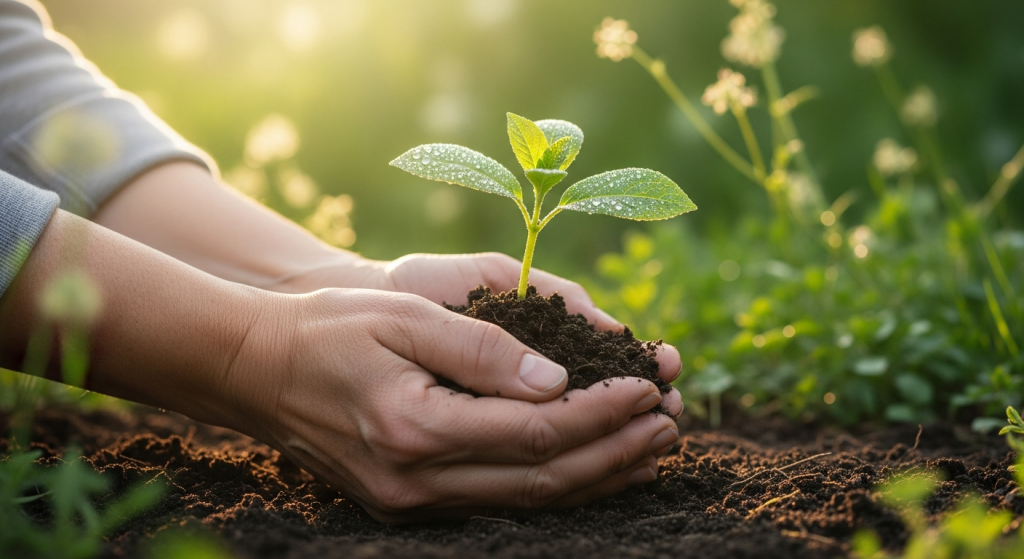
Gardening offers a profound connection to nature. This ancient practice is now recognized for its therapeutic benefits. It actively supports mental and emotional well-being. For therapists, wellness coaches, and even hobbyist gardeners, understanding this link is key. Horticulture therapy harnesses the power of plants. It uses gardening as a tool for healing and rehabilitation. This approach has deep historical roots. Early civilizations recognized its value. Today, it’s an emerging, powerful intervention.
The connection between humans and nature is fundamental. Gardening taps into this innate bond. It provides a peaceful, supportive environment. This space is for individuals of all abilities. It promotes mindfulness and resilience. Personal growth blossoms here. A strong sense of community also develops. Participants engage with nature directly. They plant, cultivate, and harvest. This process is mindful. It focuses on therapeutic goals. It also aids in symptom management.
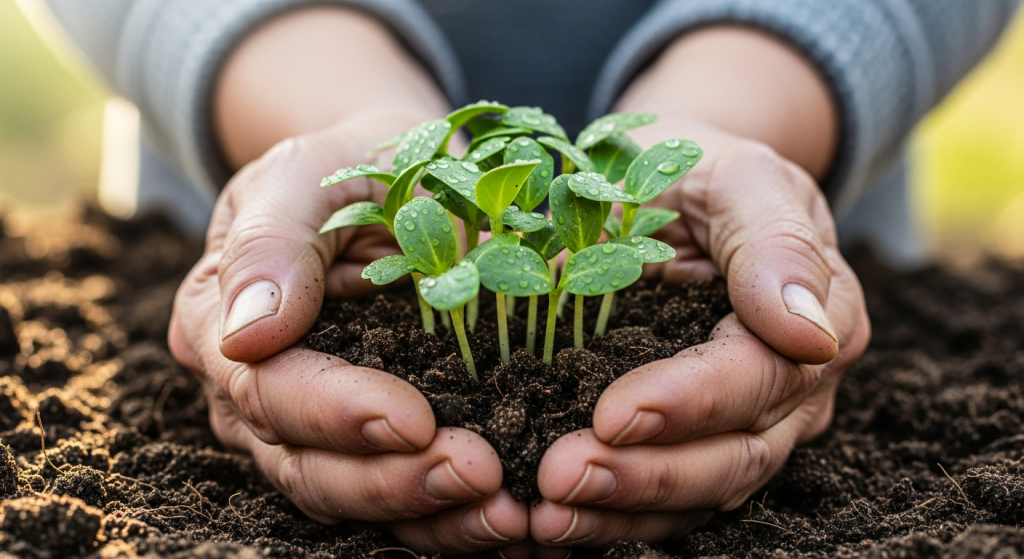
The Science Behind the Green Thumb
The benefits of therapeutic horticulture are scientifically supported. Engaging with plants can significantly reduce stress. It lowers cortisol levels. These are the hormones linked to stress. The gentle rhythms of nature offer a calming contrast. Modern life is often hectic. Gardening provides a much-needed respite. It allows for a slower pace. This promotes relaxation and reduces anxiety.
Furthermore, interacting with soil has positive effects. It’s linked to increased serotonin levels. Serotonin is a neurotransmitter. It contributes to feelings of happiness. It also enhances overall well-being. The vibrant colors of flowers are uplifting. Their fragrant scents can elevate mood. These sensory experiences are powerful. They contribute to a more positive emotional state.
Gardening also stimulates the brain. Activities like planning and problem-solving are involved. These enhance cognitive abilities. Spending time in nature improves focus. It also boosts attention span. This makes gardening a holistic activity. It benefits both mind and body. It’s more than just a pleasant pastime. It’s a fundamental human need.
Horticultural Therapy: A Clinical Approach
Horticultural therapy (HT) is a clinical practice. It involves trained therapists. They use plant-related activities. The goal is to achieve specific treatment objectives. This can include improving mental health. It can also enhance physical and social well-being. HT is often a supplemental therapy. It benefits those with disabilities or mental health challenges. It also aids in rehabilitation.
The practice connects people with plants. This link is therapeutic. It fosters a sense of achievement. Watching plants grow and thrive under one’s care is rewarding. This fosters a sense of accomplishment. It provides tangible results for effort. This can be incredibly empowering. It helps individuals feel capable. It builds confidence.
HT also offers a sense of control. This is vital for those experiencing stress. It provides empowerment and cooperation. The use of senses like taste and smell can stimulate memories. It also enhances cognitive abilities. This holistic approach addresses diverse needs. It’s tailored to specific populations. This includes individuals with dementia. Horticultural therapy can help manage symptoms.
Gardening for Mental Wellness
Gardening activities have a positive impact. They affect mental well-being significantly. They also improve quality of life. This is supported by numerous studies. An umbrella review and meta-analysis confirmed this. It found a positive effect of gardening and HT. The effect size was 0.55. This indicates a significant positive impact on well-being .
Community gardening programs are especially beneficial. They foster positive social connections. Participants connect with peers. They also engage with the larger community. This sense of belonging is crucial. It combats feelings of isolation. Sharing the joy of gardening builds strong bonds. These programs provide opportunities for social interaction.
The journey of a plant can mirror life. Growing plants from seed to harvest offers parallels. It shows the process of growth. It also highlights resilience. This journey can be a metaphor. It can parallel personal recovery. It demonstrates that challenges can be overcome. It shows that transformation is possible.
Therapeutic Community Gardening (TCG)
Therapeutic Community Gardening (TCG) programs offer a haven. They provide a peaceful and supportive space. Individuals of all abilities can participate. They engage with nature. This enhances their mental and emotional health. TCG promotes mindfulness and healing. It builds resilience and fosters personal growth. It cultivates a sense of community.
Weekly program groups allow participants to engage. They plant, cultivate, and harvest. They work with organic fruits, vegetables, and flowers. The focus is on therapeutic goals. It also addresses symptom management. Additional activities enhance the experience. These include cooking classes. They use garden-grown produce. Field trips and arts and crafts are also offered. Specialized horticultural workshops are available.
These programs nurture the mind, body, and spirit. They offer free gardening groups. These are available both in-person and virtually. They provide therapeutic horticulture experiences. These support overall well-being. To register or learn more, participants can call. They can ask to speak with a TCG team member. This welcoming community is eager to embrace new members.
Bringing Nature Indoors
You don’t need a large garden. You can experience therapeutic horticulture at home. Indoor plants offer significant benefits. Even small interactions with plants make a difference. Bringing the outdoors in is easy. Add houseplants to your home or office. These plants can enrich the indoor atmosphere. They can also filter out toxins .
Houseplants can improve air quality. They also provide aesthetic pleasure. The presence of greenery can be calming. It creates a more serene environment. Even a single desk plant can help. It can reduce anxiety. It offers a visual focus. This can be a welcome distraction from work stress. The vibrant leaves and natural forms are pleasing to the eye.
Interacting with plants, even indoors, has benefits. Talking to plants is common. Some surveys suggest it makes people happier. This highlights the deep connection we have with greenery. It shows how even simple interactions can be beneficial. This connection is deeply ingrained in us.
Indoor Horticulture and Mental Health
Indoor horticulture connects us to nature. This is vital for mental health. Even small spaces can host plants. Balconies, windowsills, or small pots work well. These spaces can become mini-gardens. They bring the calming influence of nature closer.
The act of caring for plants is therapeutic. It provides a sense of purpose. It requires attention and nurturing. This focus can be grounding. It distracts from negative thoughts. It shifts attention to a positive, life-affirming activity. This gentle engagement can be very healing.
Indoor plants can also improve mood. The colors and textures are visually stimulating. They add life to indoor spaces. This can combat feelings of monotony. It can make living or working spaces more inviting. This connection to the natural world is restorative.
Gardening as a Form of Exercise
Gardening is more than just a hobby. It’s also a form of gentle exercise. It promotes physical health. Activities like digging, weeding, and planting improve strength. They also enhance flexibility and coordination. It encourages spending time outdoors. This leads to vitamin D exposure. It also provides fresh air.
The physical exertion is often moderate. It’s not usually strenuous. This makes it accessible to many. It can be a sustainable way to stay active. It offers a low-impact alternative. This is great for those who find traditional exercise difficult. The physical engagement complements mental benefits.
This activity can be a mindful exercise. It connects movement with nature. The focus on tasks at hand can be meditative. It promotes a healthy balance. It integrates physical activity into a restorative practice. This dual benefit is a cornerstone of its appeal.
Cultivating Well-being in Everyday Life
The beauty of therapeutic horticulture is its adaptability. You don’t need a vast estate. Small spaces can yield great rewards. Even simple actions have an impact. Potting houseplants is a good start. Creating a small herb garden on a windowsill is another option. These small acts connect you to the growing process.
The process of growing plants offers lessons. It teaches patience. It shows the rewards of consistent effort. This can translate to other areas of life. It helps build a mindset of perseverance. It encourages a focus on long-term goals. These are valuable life skills.
Community gardens offer a shared experience. They are excellent for social connection. They provide a sense of belonging. This is vital for mental well-being. Sharing the joy of gardening with others strengthens bonds. It combats isolation. It creates a supportive network. These shared spaces are valuable.
The People-Plant Connection
The connection between people and plants is profound. It’s deeply rooted in our history. For centuries, humans have recognized nature’s restorative power. This connection is woven into our DNA. It’s more than just aesthetic appreciation. It’s a fundamental need.
Horticultural therapy week celebrates this bond. It highlights the impact of this connection. It’s a time to recognize its importance. The Spring Equinox often marks this celebration. It aligns with nature’s awakening. This symbolizes growth and renewal.
This connection is vital for well-being. It offers a sense of wonder. It provides a grounding influence. It reminds us of natural cycles. It helps us feel part of something larger. This perspective is invaluable.
Frequently Asked Questions
What is horticultural therapy?
Horticultural therapy (HT) is a therapeutic approach. It uses gardening and plant-related activities. A trained therapist facilitates these activities. The goal is to achieve specific treatment goals. These can include improving mental, emotional, and physical health.
Can I practice therapeutic horticulture without being a therapist?
Yes, absolutely. Therapeutic horticulture is a broader practice. It includes activities by trained professionals. It also encompasses personal engagement with plants for well-being. Even hobbyist gardeners can benefit greatly. Bringing plants indoors or tending a small garden contributes to wellness.
What are the main mental health benefits of gardening?
Gardening offers several mental health benefits. These include stress reduction, mood enhancement, and reduced anxiety. It also boosts cognitive function, improves focus, and fosters a sense of achievement. Moreover, it promotes social connection and a feeling of belonging.
How can gardening help with stress management?
Gardening helps manage stress by lowering cortisol levels. The rhythmic, mindful activities are calming. Being in nature reduces anxiety. The focus shifts away from stressors. It promotes a sense of peace.
Do I need a large garden to experience benefits?
No, a large garden is not necessary. Even small indoor plants or a balcony garden can provide benefits. The key is engaging with plants and nature in a mindful way.
Conclusion
The therapeutic power of gardening is undeniable. It offers a holistic approach. It connects us to nature. It nurtures our mental and emotional well-being. From structured horticultural therapy programs to simple home gardening, the benefits are vast. Therapists, wellness coaches, and individuals alike can leverage this powerful practice.
Gardening cultivates resilience. It fosters a sense of accomplishment. It promotes social connection. It also provides physical activity. These combined benefits create a pathway to improved well-being. Embracing the green world around us is an investment. It’s an investment in a healthier, happier life. So, dig in, plant a seed, and watch your wellness grow.
