
Hydroponics & Aeroponics: Future of Water-Efficient Farming
Published on December 31, 2025 by Admin
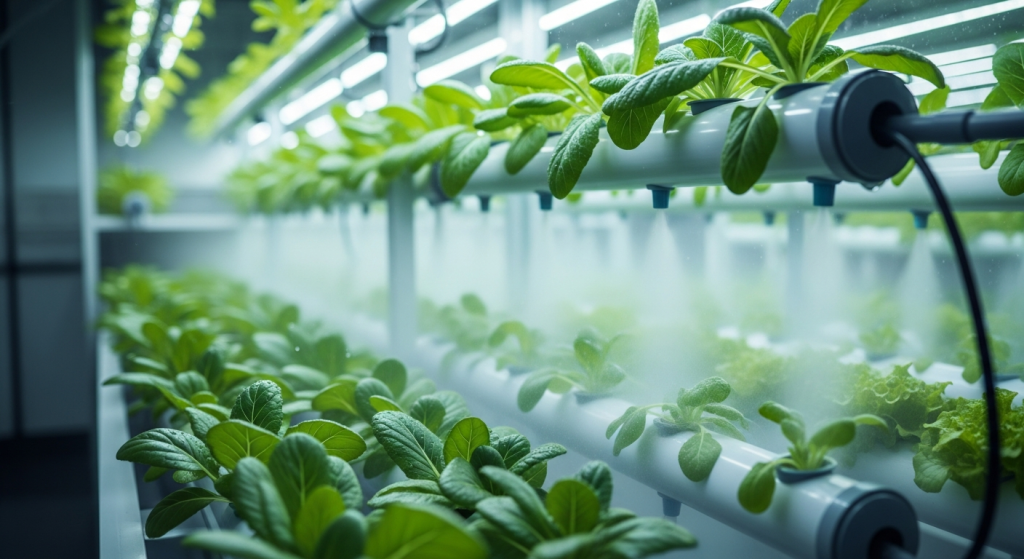
The world faces increasing challenges in food production. Climate change, growing populations, and dwindling arable land put immense pressure on traditional agriculture. However, innovative farming methods like hydroponics and aeroponics offer a promising path forward. These soilless techniques significantly reduce water usage and can be implemented in urban environments. Therefore, they represent a crucial part of the future of sustainable food production.
This article will delve into the science behind hydroponics and aeroponics. We will explore their key differences, benefits, and how they are revolutionizing agriculture. For startups and urban agriculturists, understanding these systems is vital for success.
What is Hydroponics?
Hydroponics is a method of growing plants without soil. Instead of drawing nutrients from the ground, plant roots receive them directly from a nutrient-rich water solution. This means plants can thrive in controlled environments, independent of soil quality or climate. Growers simply add the necessary minerals to water. Then, they deliver this solution to the plant roots.
There are several popular hydroponic system designs. Each method varies in how it delivers the nutrient solution. These include:
- Deep Water Culture (DWC): Plant roots dangle directly in aerated water.
- Nutrient Film Technique (NFT): A thin layer of nutrient solution flows continuously past the roots.
- Ebb and Flow (Flood and Drain): Roots are alternately flooded with nutrient solution and then drained.
- Drip Systems: Small emitters deliver nutrient solution directly to the base of each plant.
Hydroponics offers numerous advantages. For instance, it uses significantly less water than traditional farming. It also allows for year-round cultivation indoors, away from pests and unpredictable weather. Furthermore, it enables vertical stacking, maximizing crop yields in small spaces.
What is Aeroponics?
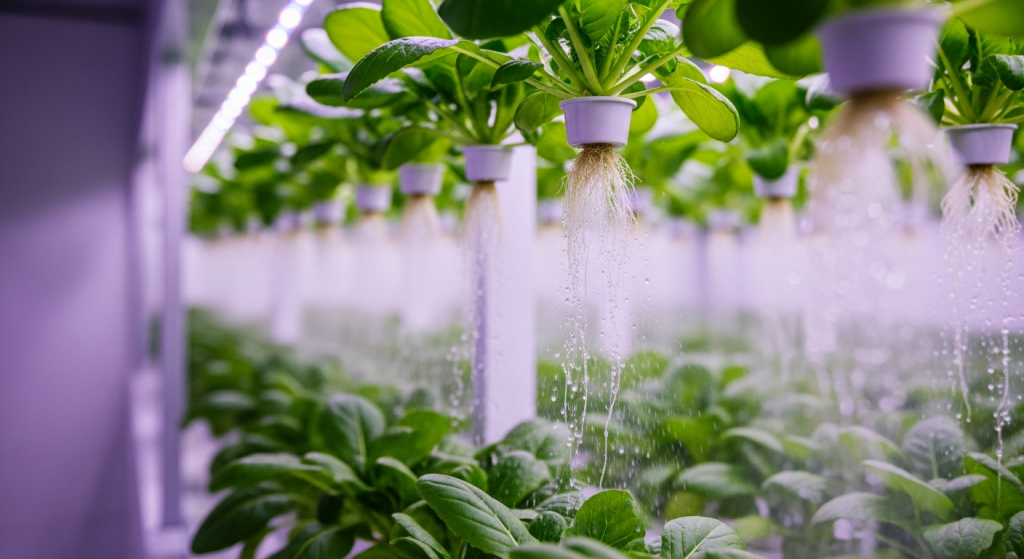
Aeroponics is often considered an advanced subset of hydroponics. In aeroponic systems, plants are grown with their roots suspended in the air. Rather than being submerged in water, the roots are regularly misted with a nutrient-rich solution. This fine mist ensures optimal oxygenation and efficient nutrient absorption. As a result, plants can grow faster and healthier.
The methodology is quite precise. Small emitters spray a nutrient solution directly onto the exposed roots. This direct delivery ensures that plants receive exactly what they need, when they need it. This can lead to remarkable growth rates and high yields.
Key features of aeroponic systems include:
- Exceptional Water Efficiency: Aeroponics uses up to 95% less water than traditional farming methods. This is a critical advantage in water-scarce regions. One innovative farm uses 90% less water.
- Superior Oxygenation: Roots exposed to air receive more oxygen. This prevents root rot and promotes vigorous growth.
- Rapid Growth: Optimized nutrient and oxygen delivery leads to faster plant development.
- Space Efficiency: Like hydroponics, aeroponics is ideal for vertical farming setups.
Hydroponics vs. Aeroponics: Key Differences
While both systems eliminate soil, their nutrient delivery methods differ significantly. Hydroponics involves roots submerged in or frequently exposed to water. Aeroponics, on the other hand, mists roots suspended in air.
Here’s a breakdown of their distinctions:
- Method of Nutrient Delivery: Aeroponics uses mist; hydroponics uses water solutions (submerged or flowing).
- Root Environment: Aeroponics keeps roots in the air; hydroponics keeps roots in water.
- Oxygenation: Aeroponics naturally provides high oxygen levels. Hydroponic systems often require additional aeration methods (like air stones) to prevent root rot.
- Complexity and Cost: Aeroponic systems can be more complex and costly to set up initially due to specialized misting equipment. Hydroponic systems, especially simpler ones like ebb and flow, can be more accessible for home growers.
Despite these differences, both methods share common benefits. They both eliminate the need for soil, reduce water usage dramatically, and minimize the risk of soil-borne diseases. Both are also considered environmentally friendly compared to conventional agriculture.
Benefits for Vertical Farming Startups and Urban Agriculturists
The advantages of hydroponics and aeroponics are particularly compelling for those looking to establish or expand urban farming operations. These methods directly address the limitations of traditional agriculture in city environments.
Water Conservation
Water scarcity is a growing global concern. Traditional farming is incredibly water-intensive. Hydroponic systems use up to 90% less water. Aeroponic systems can be even more efficient. This makes them ideal for arid regions or areas with limited water resources.
Space Optimization
Urban areas often have limited land. Vertical farming leverages vertical space, allowing for dense cultivation. Hydroponic and aeroponic systems are perfectly suited for stacked layers or towers. This maximizes food production in a small footprint. Indeed, these systems allow growers to stack plants vertically, producing far more in a smaller space.
Year-Round Production
Controlled indoor environments mean crops are not subject to seasonal changes or adverse weather. This allows for consistent, year-round harvests. Consequently, it ensures a stable supply of fresh produce for urban consumers.
Reduced Environmental Impact
By eliminating soil, these methods reduce land degradation. They also minimize the need for chemical fertilizers and pesticides. This leads to cleaner produce and a healthier environment. Furthermore, growing food locally reduces transportation distances, cutting down on carbon emissions and food miles.
Faster Growth and Higher Yields
Plants in hydroponic and aeroponic systems often grow faster. This is due to direct access to nutrients and optimal oxygen levels. Some studies suggest hydroponic systems can yield up to 20 times more produce than soil-based methods. Aeroponic techniques can yield about three times as much as soil-based growing methods.
Challenges and Considerations
While highly beneficial, these systems are not without their challenges. Understanding these can help aspiring growers prepare effectively.
Initial Setup Costs
Aeroponic systems, in particular, can require specialized equipment. This can lead to higher upfront investment compared to some simpler hydroponic setups. However, the long-term savings in water and potential for higher yields can offset these costs.
Technical Expertise
Maintaining the precise balance of nutrient solutions and pH levels is crucial. Improper calibration can harm crops. Therefore, growers need to develop a good understanding of the specific system they are using. Smart technology and automation can help monitor and manage these parameters, facilitating fine-grained management and optimization.
Power Dependency
Both systems rely on electricity for pumps, lights, and misting systems. Power outages can be disruptive. Backup power solutions might be necessary for commercial operations to prevent crop loss.
The Future is Here: Embracing Water-Efficient Farming
Hydroponics and aeroponics are not just futuristic concepts; they are practical solutions addressing today’s agricultural demands. They offer a sustainable, efficient, and scalable approach to food production.
For vertical farming startups and urban agriculturists, these methods provide a competitive edge. They enable the production of fresh, high-quality produce in locations previously unsuitable for farming. As technology advances and costs decrease, we can expect to see even wider adoption of these water-efficient farming techniques.
The transition to these methods is vital for building resilient food systems. It helps ensure food security for a growing global population. Moreover, it contributes to a more sustainable agricultural future.
Frequently Asked Questions (FAQ)
Is aeroponics better than hydroponics?
It depends on your specific needs and priorities. Aeroponics offers superior oxygenation and potentially higher water efficiency, leading to faster growth. However, it can be more complex and expensive to set up. Hydroponics, while also highly efficient, might be more accessible and forgiving for beginners. Both are excellent water-saving alternatives to traditional farming.
What crops can be grown using hydroponics and aeroponics?
A wide variety of crops can be grown using these methods. Leafy greens (like lettuce and spinach), herbs (like basil and mint), strawberries, tomatoes, peppers, and even some root vegetables can thrive. Some systems are also being explored for seed potato cultivation, as mentioned in Reddit discussions.
How much water does hydroponics save compared to traditional farming?
Hydroponic systems typically use up to 90% less water than traditional soil-based farming. Aeroponic systems can achieve even higher savings, sometimes reaching 95% less water.
Are hydroponic and aeroponic systems suitable for home use?
Yes, absolutely. Many compact hydroponic and aeroponic kits are available for home growers. These systems allow individuals to grow fresh produce in their homes, apartments, or balconies, contributing to food independence and healthier eating habits.
What are the main challenges of aeroponics?
The main challenges include the higher initial setup cost due to specialized equipment, the critical need for precise nutrient and pH balance, and the system’s dependency on a continuous power supply. Any interruption in misting can quickly stress the plants.
