
Invasive Species Crisis: Managing Non-Native Plants
Published on December 31, 2025 by Admin

Biodiversity is the rich tapestry of life on Earth. It encompasses the variety of genes, species, and ecosystems that provide essential services. However, this delicate balance is under threat. Invasive species, in particular, are a major concern for conservationists and land managers.
These non-native organisms, introduced through human activities, are now a significant problem across the globe. They disrupt local ecosystems, harm native species, and diminish biodiversity. Understanding and managing these invaders is crucial for preserving our natural heritage.
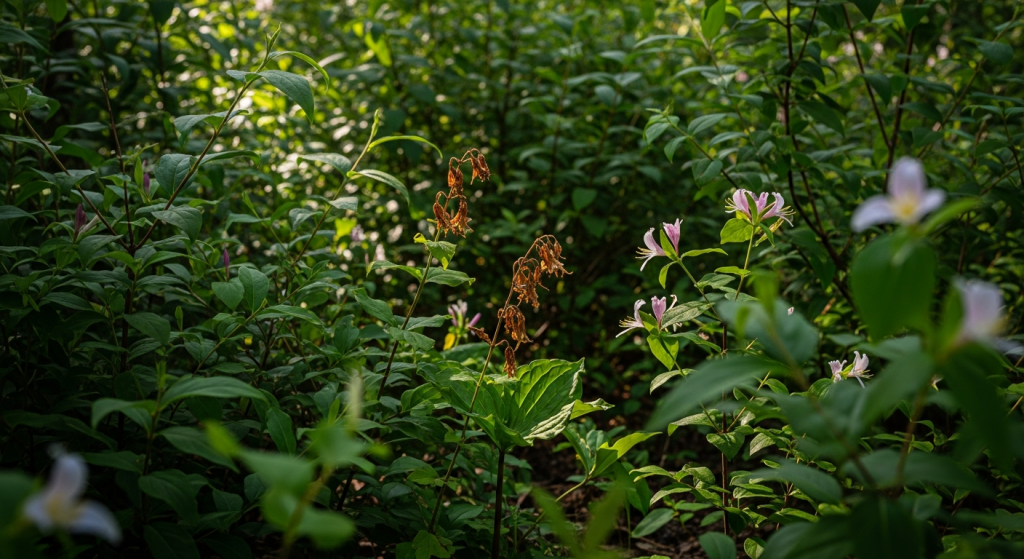
The Pervasive Impact of Invasive Species
Invasive species are defined as organisms that are not native to an ecosystem and cause harm. They can be plants, animals, insects, or even pathogens. Their introduction can have devastating consequences for native flora and fauna.
Alarmingly, invasive species are a leading driver of biodiversity loss. They are a major factor in an estimated 40 percent of endangered species listings. This means many species are on the brink of extinction partly due to these invaders. Invasive species are one of the five main drivers of global biodiversity loss.
How Invasives Disrupt Ecosystems
Invasive species impact native ecosystems in several ways. They compete for vital resources like food, water, and sunlight. Some invasive species prey on native animals, while others transmit diseases. These actions directly lead to the decline of native populations.
Moreover, invasive plants can alter soil chemistry and fire regimes. For example, the Australian melaleuca tree in Florida forms dense forests in sawgrass marshes. This changes the soil elevation and disrupts natural fire patterns, harming unique Everglades ecosystems. Invasive non-native plants disrupt Florida’s natural environment by forming novel habitats and by altering ecological processes.
This disruption can cascade through the food web. When native species decline, those that depend on them for food, pollination, or shelter are also affected. This reduces the overall productivity and resilience of the ecosystem.
The “Jenga Effect” on Biodiversity
The loss of native species due to invasives can be likened to a Jenga tower. Each species removed weakens the structure. Eventually, if too many pieces are lost, the entire ecosystem can collapse. This collapse degrades essential ecosystem services and makes the environment vulnerable to further disturbances.
For instance, lionfish in the Atlantic and Caribbean prey on native herbivorous fish. These herbivores normally keep algae in check on coral reefs. Without them, algae overgrowths harm corals, which are already struggling with climate change and pollution. This is a clear example of how invasives exacerbate existing threats.
Climate Change: An Invader’s Ally
Climate change plays a significant role in the spread of invasive species. Changing environmental conditions can favor non-native plants and animals. They may find it easier to establish themselves in new territories.
Warmer temperatures and altered precipitation patterns can create ideal conditions for invasive species to thrive. Conversely, native species may be less able to adapt. Climate change thus puts additional pressure on already vulnerable native populations. Many non-native invasive plants respond more positively than native plants to changing conditions.
Common Invasive Plant Species and Their Impacts
Invasive plants are a particular concern for land managers. They can quickly spread, outcompeting native vegetation and altering habitats.
Autumn Olive: A Shrubby Menace
Autumn olive is an invasive shrub known for its rapid growth. It thrives even in poor soils. It forms dense thickets that shade out native plants. This significantly reduces local biodiversity. Furthermore, its berries can spread easily. It quickly forms dense thickets that shade out native species, reducing biodiversity.
Tree of Heaven: A Resilient Invader
Tree of Heaven is another aggressive invasive plant. It is native to China. It can tolerate a wide range of conditions. It also releases toxins into the soil that inhibit the growth of other plants. This makes it difficult for native species to re-establish.
Multiflora Rose: A Thorny Barrier
Multiflora rose forms dense, thorny thickets. These impenetrable barriers restrict movement for wildlife. They also outcompete native plants for light and nutrients. Its rapid spread can transform open habitats into unusable dense stands.
Managing the Invasive Species Crisis
Addressing the invasive species crisis requires a multi-faceted approach. Prevention, early detection, rapid response, and control are all critical components.
Prevention: The First Line of Defense
Preventing the introduction of new invasive species is the most effective strategy. This involves stricter regulations on trade and travel. Screening and inspection of imported goods and plants are essential. Public education also plays a vital role in preventing accidental introductions.
For example, checking boats for non-native stowaways before launching can prevent aquatic invasive species from spreading. Similarly, choosing native plants for gardens helps avoid introducing new invasives. Advocating for policies that require screening and inspection before plants and animals come into the country is crucial.
Early Detection and Rapid Response (EDRR)
Once an invasive species is detected, a rapid response is key. Early detection allows for eradication before the population becomes widespread. This often involves monitoring key areas and training the public to report sightings.
For instance, reporting sightings of the Spotted Lanternfly is vital. This invasive insect threatens local plants, trees, and crops. Prompt reporting allows for targeted removal efforts. This can prevent a widespread infestation. To protect our environment, it’s essential to report sightings, avoid moving infested materials, and take steps to eliminate the pests.
Control and Eradication Methods
When eradication is no longer feasible, control methods become necessary. These can range from manual removal to the use of herbicides and biological controls.
- Manual Removal: Hand-pulling or digging out invasive plants is effective for small infestations. It is crucial to remove the entire root system. Bagging and properly discarding all invasive debris prevents further spread. Do not compost or dump invasive plants in natural areas.
- Mechanical Control: Mowing or cutting invasive plants can prevent them from seeding. However, this may need to be repeated and can sometimes stimulate regrowth.
- Chemical Control: Herbicides can be effective, but must be used carefully. Selective application minimizes harm to native plant and animal communities. Current control methods employed range from hand pulling of undesirable species to applying herbicides selectively.
- Biological Control: This involves introducing natural enemies of the invasive species. However, it requires extensive research to ensure the control agent does not become invasive itself.
Promoting Native Plant Sustainability
A cornerstone of managing invasive species is promoting native plants. Native plants are adapted to local conditions. They provide essential habitat and food sources for native wildlife. They also require less water and maintenance.
Growing our native seed supply and prioritizing native seeds in restoration projects is vital. This helps to restore healthy ecosystems. Native plants are the foundation of life for at-risk species. Native plants are the very foundation of life for at-risk species and provide species with shelter and sustenance they need to thrive.
For example, planting native species like Goldenrod and Aster attracts beneficial pollinators. They also add beauty to landscapes. Examples of beneficial native plants in the Northeast include White and Red Oak, Highbush and Lowbush Blueberry, and Black-Eyed Susans. Urban green spaces can also be enhanced by prioritizing native plantings.
Policy and Coordination Efforts
Effective management of invasive species often requires coordinated policy efforts. The U.S. has numerous federal agencies involved in invasive species management. However, coordination can be a challenge.
A national biodiversity strategy could improve coordination. It would ensure more effective and coordinated use of laws and policies. This would help protect biodiversity from invasive species and other threats. The U.S. lacks a comprehensive and coordinated approach to tackling the five main drivers of the biodiversity crisis, one of which is invasive species.
Frequently Asked Questions
Why is it important to remove invasive non-native plants?
Invasive non-native plants harm natural environments and lead to a loss of biodiversity. They alter ecological processes, destroy native habitats, and push endangered species closer to extinction. For example, over 1.7 million acres of Florida’s natural areas are infested with these species.
How do invasive species spread?
Invasive species spread through various human activities. These include trade, travel, horticulture, and the intentional or accidental release of organisms. Natural processes like wind, water, and animal movement can also facilitate their spread once established.
Are all non-native plants invasive?
No, not all non-native plants are invasive. An invasive species is specifically defined as a non-native species that causes harm to the ecosystem. Many non-native plants can exist without causing significant ecological damage.
What can individuals do to help manage invasive species?
Individuals can help by planting native plants in their gardens, avoiding the purchase and transport of potentially invasive species, reporting sightings of invasive species, and supporting local conservation efforts. Educating themselves and others is also crucial.
How does climate change affect invasive species?
Climate change can create conditions that favor invasive species. Warmer temperatures, altered rainfall patterns, and increased extreme weather events can help invasive species establish and spread more easily, while potentially stressing native species.
Conclusion
The invasive species crisis poses a significant threat to global biodiversity and ecosystem health. These non-native organisms disrupt natural processes, outcompete native species, and can lead to ecological collapse. Effective management requires a combination of prevention, early detection, rapid response, and ongoing control efforts.
By promoting native plant sustainability, implementing sound policies, and fostering public awareness, we can work towards mitigating the impacts of invasive species. Protecting our natural heritage is a collective effort that benefits both wildlife and future generations. Understanding the complex interactions within ecosystems, such as mycorrhizal networks, is also part of a holistic approach to conservation.
