
Microplastics’ Grip on Plant Life and Food Chains
Published on December 31, 2025 by Admin
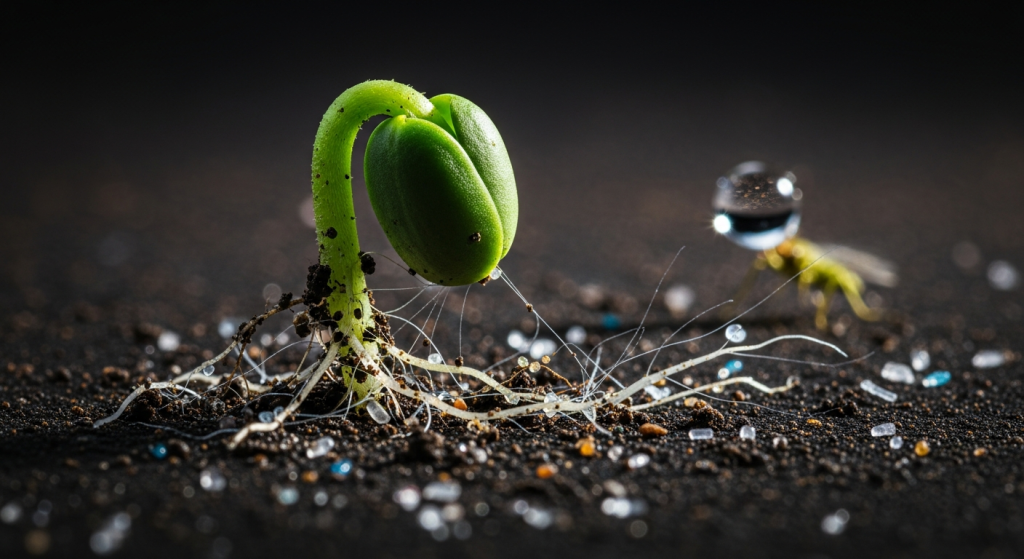
Plastic pollution is a pervasive global issue. Its smallest fragments, microplastics, are now a significant concern. These tiny particles are infiltrating our environment. They impact plant life. They also move up the food chain. This article explores these critical impacts.

The Pervasive Nature of Microplastics
Microplastics are plastic particles smaller than 5 millimeters. They come in two forms: primary and secondary. Primary microplastics are manufactured to be small. Examples include microbeads in cosmetics. Secondary microplastics result from the breakdown of larger plastic items. Think of plastic bags and bottles degrading over time.
The plastic industry has produced millions of tonnes of waste since the 1950s. Much of this waste ends up in landfills or the environment. It is estimated that 8 million tonnes of plastic enter our seas and oceans annually. This widespread contamination poses a severe threat. It affects plants, animals, and ultimately, human health.
Sources of Microplastic Contamination
Microplastics enter ecosystems through various pathways. Agricultural practices contribute significantly. For instance, plastic mulch used in farming breaks down into microplastics. Industrial discharge and wastewater also carry these particles. Atmospheric deposition plays a role too. Even the breakdown of larger plastic debris in the environment generates more microplastics.
Packaging materials are a major source. The food industry relies heavily on plastic packaging. This leads to direct contamination of food products. Moreover, microplastics are found in drinking water and even table salt. This highlights their ubiquitous presence in our daily lives.
Impacts on Plant Life
Plants are not immune to microplastic contamination. Research shows that plants can absorb microplastics. This absorption often occurs through cracks in their young roots. Once inside, these particles can travel through the plant’s vascular system, the xylem. This system is responsible for transporting nutrients. Consequently, microplastics can reach the edible parts of plants.
The consequences for plant health are concerning. Studies have demonstrated that microplastics can inhibit internal seed activity. This is particularly evident during the crucial germination phase. For example, research on lentil seeds exposed to polyethylene microplastics showed a substantial decrease in internal activity. This effect was dose-dependent; higher concentrations led to more pronounced inhibition. This can lead to stunted growth in later stages. Furthermore, an increase in antioxidative enzyme activities was observed. This suggests that plants attempt to combat the stress caused by microplastic exposure.
Mechanisms of Plant Harm
The physical presence of microplastics can impede plant functions. They can block pores in root tissues. This physical obstruction hinders water and nutrient uptake. This directly impacts a plant’s ability to grow and thrive.
Beyond physical interference, microplastics can also alter soil properties. They can affect soil structure, water retention, and aeration. These changes can create a less favorable environment for root development and overall plant health. The long-term effects on plant physiology and yield are still under investigation, but early findings are worrying.
Microplastics in the Food Chain
The journey of microplastics does not end with plant life. When plants absorb microplastics, these particles enter the food chain. Animals that consume these contaminated plants ingest the microplastics. This process continues up the trophic levels.
Marine organisms have been a primary focus of research. They ingest microplastics directly from contaminated waters or through their diet. However, terrestrial food chains are also affected. Microplastics in soil can be consumed by earthworms and other soil invertebrates. These organisms are then preyed upon by larger animals, including birds and mammals. Eventually, humans consume food from both marine and terrestrial sources, making us potential recipients of microplastic contamination.
Entry Points into the Food Chain
Microplastic exposure to humans occurs through various routes. Foods of both animal and plant origin are significant sources. Food additives, drinks, and plastic food packaging also contribute to human exposure. For instance, microplastics have been found in many common fruits and vegetables. They are also present in table salt.
The versatility and persistence of plastic materials contribute to their widespread use. However, this persistence also means they accumulate in the environment. This accumulation ensures their continuous entry into the food chain. The issue is still not sufficiently examined. More attention is needed to understand the full extent of this contamination.
The Broader Environmental and Health Implications
The presence of microplastics in the food chain raises significant concerns. For toxicologists and environmentalists, understanding these pathways is crucial. Microplastics can act as vectors for other pollutants. They can adsorb organic pollutants and heavy metals from the environment. When ingested, these toxins can be released into the organism. This can lead to bioaccumulation and biomagnification up the food chain.
The long-term health effects on wildlife are a major concern. Studies are ongoing to assess the impact on reproduction, growth, and overall survival rates of various species. The implications for human health are also a subject of intense research. While the full picture is still emerging, the potential for adverse health outcomes cannot be ignored.
Research Gaps and Future Directions
Despite growing awareness, much remains unknown about the impact of microplastics. Research on microplastics in the food chain has been particularly focused on marine organisms. However, research on other food commodities, including terrestrial plants and their role in the food chain, is less extensive. The issue is still not sufficiently examined.
There is a need for more comprehensive studies. These studies should investigate the long-term effects of microplastic exposure on plant physiology. They should also track the movement and accumulation of microplastics through different trophic levels in both marine and terrestrial ecosystems. Understanding the mechanisms by which microplastics cause harm is also essential. This knowledge will be vital for developing effective mitigation strategies.
The Role of Biodegradable Microplastics
The development of biodegradable plastics was intended as a solution. However, even biodegradable microplastics (BioMPs) can have impacts. Research is ongoing to understand their effects on organisms. This includes higher plants and fish, which are relevant to the food chain.
While they may degrade faster, BioMPs can still exert adverse effects during their existence. Their impact on soil health and plant growth warrants careful consideration. The transition to truly sustainable materials requires a thorough understanding of their environmental fate and biological interactions.
Mitigation and Management Strategies
Addressing microplastic pollution requires a multi-faceted approach. Reducing plastic production and consumption is paramount. Improving waste management systems globally is also crucial. This includes enhancing recycling rates and preventing plastic waste from entering waterways.
Innovative solutions are also being explored. Bioremediation, using certain plants to clean up contaminated sites, offers a potential avenue. However, the effectiveness of such methods in the face of widespread microplastic contamination needs further study. For those concerned with plant health and food security, understanding the science behind plant efficiency, such as the science of photosynthesis, remains important, but it is increasingly overshadowed by emerging environmental threats like microplastics.
Frequently Asked Questions
What are microplastics and why are they a problem?
Microplastics are tiny plastic particles less than 5 mm in size. They are a problem because they are pervasive in the environment, can be ingested by organisms, and can carry harmful pollutants, impacting ecosystems and potentially human health.
How do microplastics affect plants?
Microplastics can be absorbed by plant roots, hindering their growth and development. They can physically block pores, impede nutrient uptake, and alter soil properties, leading to reduced plant health and potentially stunted growth.
Can microplastics move up the food chain?
Yes, microplastics can move up the food chain. When organisms consume contaminated plants or prey, the microplastics are transferred to the next trophic level. This can lead to accumulation in various organisms, including those consumed by humans.
Are there any solutions to microplastic pollution?
Solutions include reducing plastic production and consumption, improving waste management, developing biodegradable alternatives (though their impact needs careful study), and researching bioremediation techniques.
Is microplastic contamination in food a serious health risk?
The full extent of health risks is still under investigation. However, microplastics can carry toxins, and their presence in food raises concerns about potential long-term health impacts. More research is needed to fully understand these risks.
Conclusion
The impact of microplastics on plant life and the food chain is a growing concern for marine biologists, toxicologists, and environmentalists. From inhibiting seed germination to moving through trophic levels, these persistent pollutants pose a significant threat to ecological balance and potentially human health. Continued research is vital to understand the full scope of this issue and to develop effective strategies for mitigation and management. Protecting our planet from plastic pollution requires collective action and a deeper understanding of its insidious effects on even the smallest components of our ecosystems.
