The Blue Light Hazard: Protecting Your Eyes in the Digital Age
Published on December 25, 2025 by Admin
In today’s hyper-connected world, our eyes are constantly bombarded by digital screens. From remote work setups to endless scrolling on smartphones, prolonged screen time has become an unavoidable reality for many. However, this digital immersion comes with hidden dangers, particularly concerning the impact of blue light on our retinal health. This article delves into the lesser-known risks of blue light exposure and provides actionable strategies to optimize your environment for better vision and overall well-being.
The Pervasive Challenge of Digital Eye Strain
The modern workplace, especially with the rise of remote work, presents unprecedented visual demands. Recent studies paint a concerning picture: 62% of professionals now struggle with digital eye strain symptoms. Nearly half of American remote workers report their eye health has taken a downturn. This strain isn’t just a minor inconvenience; it affects productivity and daily comfort.
Remote professionals spend an average of 13 hours daily on screens. This includes roughly 6 hours and 43 minutes on computers, 3 hours and 21 minutes on phones, and 3 hours watching television. This is significantly more than their office-based colleagues. Furthermore, many workers juggle multiple screens during virtual meetings, often leading to multiplied visual demands. Consequently, two-thirds of remote workers now face new vision challenges, and companies have noticed, with 55% reporting increased screen fatigue among their teams.
Identifying the Early Warning Signs
Recognizing the early warning signs of eye strain is crucial for proactive protection. Physical indicators often manifest after extended screen time. These include:
- Eyes becoming red, watery, or irritated.
- Vision blurring or doubling, especially when shifting focus between distances.
- A dry eye sensation developing, as screen focus reduces natural blink rates.
- Increased sensitivity to bright lights.
- Eyes feeling scratchy or burning.
Most individuals notice these symptoms peaking in the afternoon, reflecting the cumulative strain throughout the workday. Moreover, eye strain can impact work performance in subtle ways. Professionals might experience issues maintaining focus, heavier-feeling eyes, and difficulty coordinating eye muscles for close-up tasks. Ultimately, these challenges can cost employers significantly each year per affected team member.
Understanding the Role of Blue Light
While digital eye strain encompasses various factors, blue light emitted from digital devices plays a significant role. Blue light is a high-energy visible light that can disrupt sleep patterns by suppressing melatonin production. A 2022 Harvard Medical School study found that participants exposed to blue light before bed took 30% longer to fall asleep compared to those using blue-light filters. This disruption creates a vicious cycle, as poor sleep can exacerbate eye strain.
Beyond sleep, blue light has also been a subject of research regarding its direct effects on the eye. Studies, including those involving rats, have explored potential retinal damage from LED lighting. For instance, one study observed retinal changes and cell death in rats exposed to blue or cool white LED light. While these studies involve animal models and specific exposure conditions, they highlight the ongoing scientific inquiry into blue light’s physiological effects and the importance of understanding its impact on human retinal cells, which are incapable of self-repair.
Blue Light vs. Other Digital Eye Strain Factors
It’s important to distinguish blue light’s specific impact from the broader category of digital eye strain. While blue light can affect sleep and potentially contribute to discomfort, it doesn’t typically cause structural eye damage on its own according to current understanding. Prolonged exposure may contribute to discomfort but doesn’t cause structural eye damage.
Other significant contributors to digital eye strain include:
- Reduced Blinking: When staring at screens, people blink significantly less, often by as much as 66%. This leads to dry eyes and discomfort.
- Improper Lighting: Bright screens in dim environments force eyes to work harder. Screen glare also causes visual discomfort.
- Poor Ergonomics: Incorrect posture and screen positioning contribute to fatigue and neck pain.
- Uncorrected Vision Issues: Even slight prescription inaccuracies can worsen digital strain.
Optimizing Your Environment for Retinal Health
Fortunately, digital eye strain and its associated discomfort are largely preventable. By implementing smart strategies and making conscious adjustments to your workspace and habits, you can significantly protect your vision.
The 20-20-20 Rule and Blinking Habits
The widely recommended 20-20-20 rule is a cornerstone of digital eye strain prevention. Every 20 minutes, look at something 20 feet away for at least 20 seconds. This simple exercise allows your eyes to relax their focusing muscles. This should give your eyes a chance to relax their focusing system. In addition, consciously train yourself to blink more often during screen time. Blinking spreads moisture evenly over the eye surface, combating dryness and restoring comfort.
Screen Settings and Blue Light Filters
Adjusting your screen settings can make a substantial difference. Reduce screen brightness to match your ambient lighting conditions. Using “night mode” or dedicated blue light filters can decrease exposure to blue light, especially in the evenings. Increasing text size can also improve readability and reduce strain. Some software, like f.lux, can automatically adjust screen color temperature based on the time of day.
Ergonomics and Screen Positioning
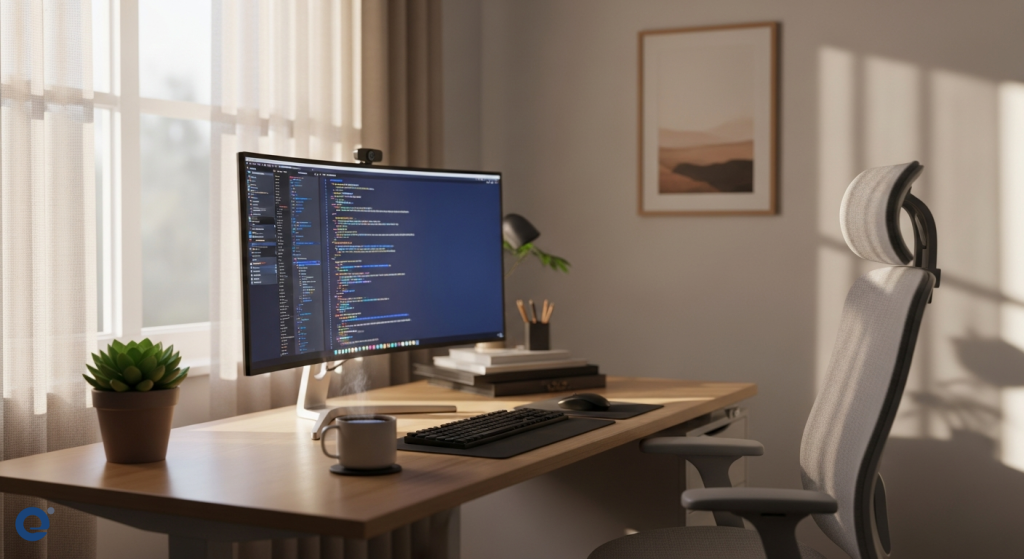
Proper workstation ergonomics are vital. Position your computer screen 20–28 inches from your eyes and slightly below eye level. This angle helps minimize strain. Ensure your chair is adjusted so your feet rest flat on the floor and your wrists are supported when typing. Avoid challenging lighting conditions by ensuring there are no bright lights directly behind or in front of your screen. Using an anti-glare screen protector can also reduce reflections and visual discomfort.
Advanced Strategies for Eye Care
Beyond environmental adjustments, incorporating specific practices can further safeguard your retinal health. Regular eye exams are paramount, especially as we age and conditions like presbyopia emerge.
The Importance of Professional Eye Care
Eye care professionals offer invaluable support. They can identify underlying issues and provide tailored solutions. Digital eye strain rarely leads to permanent damage, but ignoring persistent symptoms can significantly reduce productivity and overall eye comfort. Annual eye exams help detect problems early and ensure your prescription is up to date. If discomfort lingers or worsens, seeking professional help is essential.
Hydration, Nutrition, and Lifestyle
Your overall health directly impacts your eyes. Staying well-hydrated is crucial for maintaining tear production and preventing dry eyes. Incorporating omega-3 fatty acids, found in fish, flaxseeds, and walnuts, can support healthier tear production. Taking frequent breaks, stepping away from screens for at least five minutes every hour, allows your eyes a much-needed rest. If you work in an air-conditioned or heated space, a humidifier can help maintain moisture in the air, further preventing dry eye symptoms.
For those seeking to improve their overall well-being, which can indirectly benefit eye health, exploring lifestyle medicine is a good path. You can learn more about how lifestyle changes can impact chronic conditions in our article on Lifestyle Medicine for Chronic Diseases.
Frequently Asked Questions
Can digital eye strain cause permanent damage?
No, digital eye strain generally does not cause permanent damage. However, chronic symptoms can significantly reduce productivity and overall eye comfort.
Is blue light really harmful to the eyes?
Blue light primarily affects sleep quality by disrupting melatonin production. While prolonged exposure can cause discomfort, current understanding suggests it does not cause structural eye damage.
What are the best blue light glasses?
The best blue light glasses typically have anti-reflective coatings and UV protection. Look for reputable brands often recommended by optometrists.
How long does digital eye strain typically last?
Symptoms usually subside after a few hours of rest. However, chronic cases might take days to resolve, particularly if underlying dry eye issues are present.
Should I wear contacts if I have dry eyes?
If you experience dry eyes, consult your eye care professional. They can recommend specific contact lenses designed for dry eye sufferers or suggest alternative solutions.
Can screen time affect mental health?
Yes, prolonged screen time and digital eye strain can increase stress and anxiety, and reduce productivity. When eyes struggle to focus, the brain works harder, leading to fatigue, irritability, and difficulty concentrating. Understanding the gut-brain axis can also offer insights into mood and focus regulation.
What Happens if You STOP Using Your Cell Phone Before Bed for 14 Days
Conclusion: Prioritizing Your Vision
In conclusion, the hidden dangers of blue light and digital eye strain are significant but manageable. By understanding the causes, recognizing the symptoms, and implementing practical strategies—from adjusting your environment and screen settings to adopting healthy habits like the 20-20-20 rule and conscious blinking—you can effectively protect your retinal health. Prioritizing your vision is an investment in your long-term well-being and productivity in our increasingly digital world.