
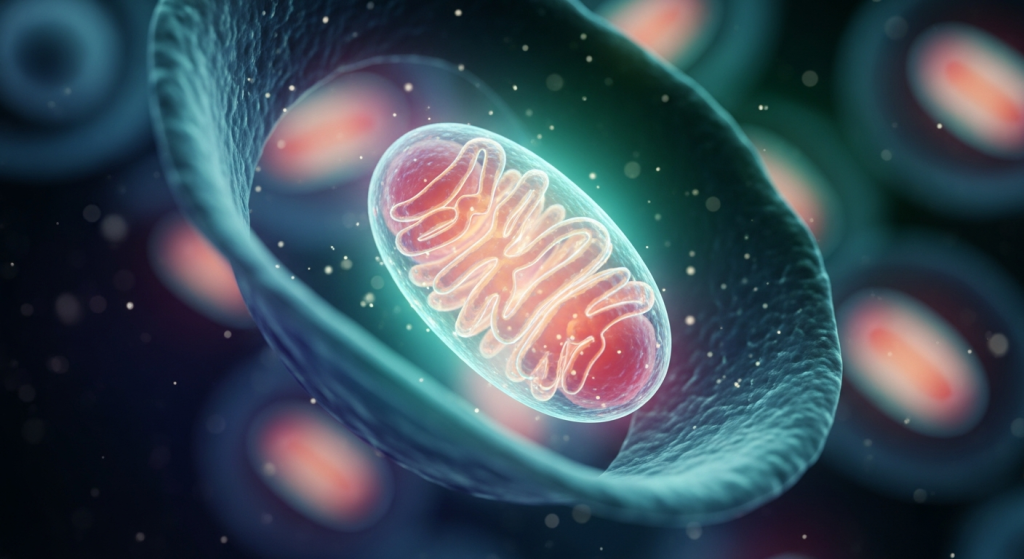
In the intricate machinery of life, every cell acts like a tiny city. Each city relies on a robust power plant to keep everything running. These essential power plants are your mitochondria. They are the unsung heroes of cellular energy production. Optimizing their function is key to unlocking peak vitality and performance. This article explores the vital role of mitochondria. We will also discuss how to enhance their efficiency for a more energetic life.
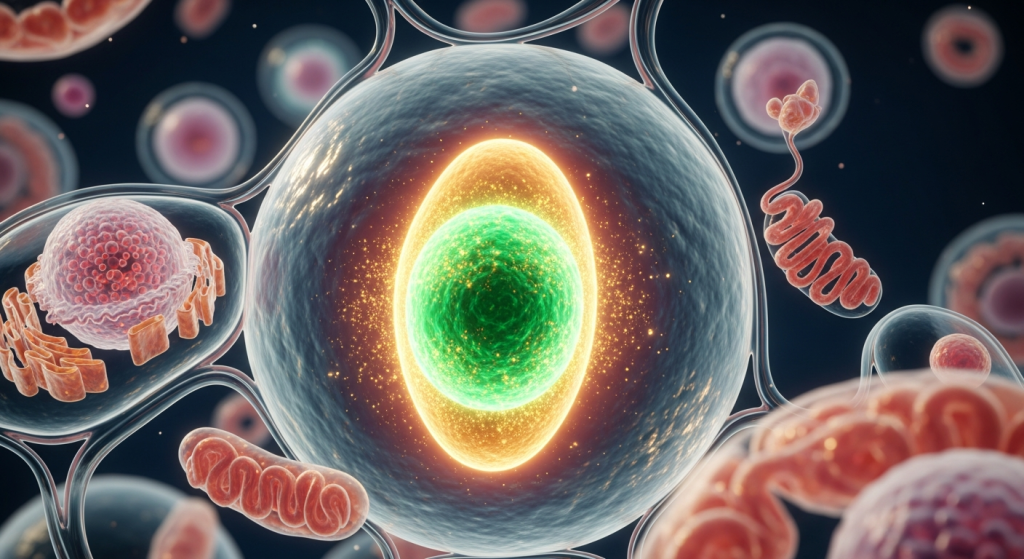
The Powerhouse Within: Understanding Mitochondria
Mitochondria are often called the “powerhouses of the cell.” However, they are much more than simple energy factories. These dynamic organelles are crucial for cellular health. They also play a significant role in metabolism and aging. Found in nearly every cell, they are especially concentrated in high-energy tissues like muscles, the heart, and the brain. Mitochondria generate adenosine triphosphate (ATP). ATP is the fundamental energy currency for all biological processes. This includes everything from muscle contraction to brain activity. The efficiency of ATP production directly impacts your body’s energy levels. A healthy mitochondrial network ensures a steady supply of energy. This supports everything from intense workouts to focused mental tasks.
Mitochondria possess their own unique DNA (mtDNA). This highlights their ancient evolutionary origins. Their proper function is paramount for life. When mitochondrial function declines, cells struggle to produce enough ATP. This can lead to fatigue and reduced vitality. Compounds like creatine can offer support to these vital cellular engines.
Cellular Energy Production: The Foundation of Vitality
Cellular energy production is the process by which cells convert nutrients into ATP. This ATP fuels countless cellular activities. These include muscle movement and nerve signal transmission. The primary pathways for energy production are aerobic and anaerobic respiration. Aerobic respiration occurs in the presence of oxygen. It primarily takes place within the mitochondria. This process is far more efficient than anaerobic respiration. Anaerobic respiration occurs without oxygen. It yields much less ATP. However, it is crucial during high-intensity activities when oxygen is limited.
Aerobic Respiration: The Mitochondrial Marvel
Aerobic respiration is the main engine of ATP production. It involves several key stages. These stages occur within the cell, with the mitochondria playing a central role. Firstly, glycolysis happens in the cytoplasm. Here, glucose is broken down into pyruvate. This yields a small amount of ATP. Next, pyruvate enters the mitochondria. It is then further processed through the Krebs Cycle (also known as the Citric Acid Cycle). This cycle generates electron carriers like NADH and FADH2. It also produces a small amount of ATP. Finally, the Electron Transport Chain (ETC) takes place in the inner mitochondrial membrane. This is where the bulk of ATP is produced. Electrons are passed along a series of protein complexes. This process creates a proton gradient. This gradient then drives ATP synthase to produce vast amounts of ATP.
This intricate process requires a constant supply of fuel and oxygen. The efficiency of the ETC is vital for sustained energy. Any disruption can significantly impact cellular function. Therefore, supporting mitochondrial health is paramount for overall well-being.
How Food Fuels Your Cellular Powerhouses
Food is the primary fuel source for cellular energy production. The macronutrients—carbohydrates, fats, and proteins—each play a role. Understanding their contribution is essential for optimizing energy levels.
Carbohydrates: The Preferred Energy Source
Carbohydrates are the body’s go-to fuel. They are especially important during high-intensity activities. Carbohydrates are broken down into glucose. Glucose then enters glycolysis to begin ATP production. Research shows that carbohydrate availability directly impacts exercise performance and recovery (Jeukendrup, 2014). Optimal carbohydrate intake before, during, and after exercise helps replenish glycogen stores. This also reduces fatigue.
Fats: Energy for Endurance
Fats provide a concentrated energy source. They are particularly useful for low-intensity, prolonged activities. Fatty acids are converted into acetyl-CoA. This then enters the Krebs cycle. Studies suggest that higher fat availability can enhance endurance performance. It does this by sparing glycogen stores (Coyle, 1991). However, the body’s ability to utilize fats for energy depends on efficient mitochondrial function.
Proteins: Building Blocks and Backup Fuel
Proteins are primarily for growth and repair. However, they can be metabolized for energy. This is more common during prolonged exercise or fasting. Proteins break down into amino acids. These can be converted to glucose or enter the Krebs cycle. Relying heavily on protein for energy is not ideal. It can compromise muscle mass and overall health. Therefore, it should be a minimal energy source.
The Role of Supplements in Enhancing Mitochondrial Function
While diet is fundamental, certain supplements can significantly support cellular energy production. They provide essential nutrients and compounds that boost metabolic processes. These can be particularly helpful for biohackers and metabolic health specialists.
Creatine: Beyond Muscle Power
Creatine is well-known for its role in enhancing physical performance. It plays a crucial role in the rapid regeneration of ATP. This is especially true during short bursts of high-intensity exercise. Numerous studies confirm creatine supplementation enhances strength, power, and muscle mass (Kreider et al., 2017). However, emerging research reveals a deeper connection to mitochondria. Creatine supports mitochondrial health, resilience, and efficiency. It helps stabilize mitochondrial membranes. It also supports antioxidant activity and regulates cellular calcium. Furthermore, creatine can even influence the creation of new mitochondria.
The creatine kinase (CK)/phosphocreatine (PCr) system is vital. It acts as a quick-response energy reserve. When ATP is depleted, PCr transfers a phosphate group to ADP. This instantly regenerates ATP. This process is rapid and oxygen-independent. It is the dominant energy system for short, explosive activities. Therefore, creatine is more than just a performance booster; it supports your body’s energy generators.
B Vitamins: Essential Coenzymes
B vitamins are critical coenzymes in energy-producing metabolic pathways. They are essential for converting carbohydrates, fats, and proteins into usable energy. Adequate B vitamin intake supports optimal performance. It also helps reduce fatigue (McNulty, 2019). They are fundamental for efficient energy metabolism.
Coenzyme Q10 (CoQ10): A Mitochondrial Protector
CoQ10 is a potent antioxidant. It plays a key role in mitochondrial function and ATP production. Research indicates that CoQ10 supplementation can improve exercise performance. It can also reduce oxidative stress. This is particularly beneficial for individuals with compromised mitochondrial function (Muller et al., 2015). CoQ10 is also found in supplements designed to spark energy-producing mitochondria.
L-Carnitine: Transporting Fuel
L-carnitine is crucial for transporting fatty acids into the mitochondria. This is necessary for beta-oxidation, the process of breaking down fats for energy. Studies suggest L-carnitine supplementation can enhance fat utilization for energy. This is especially relevant for endurance and metabolic health.
Pyrroloquinoline Quinone (PQQ)
PQQ is another compound that supports mitochondrial health. It is known for its antioxidant properties. It may also stimulate the creation of new mitochondria. This process is called mitochondrial biogenesis. Enhanced mitochondrial density can lead to improved energy production and cellular function.
Optimizing Energy with Advanced Biohacking Strategies
Beyond diet and traditional supplements, advanced strategies can further optimize cellular energy. These approaches often focus on enhancing mitochondrial efficiency and resilience.
Hyperbaric Oxygen Therapy (HBOT)
Hyperbaric Oxygen Therapy involves breathing 100% pure oxygen in a pressurized chamber. This delivers significantly more oxygen to tissues than normal breathing. Consequently, HBOT enhances the body’s natural repair processes. It also boosts energy production and improves circulation. This can lead to sharper thinking, faster recovery, and increased stamina. For the brain, HBOT can enhance focus, memory, and cognitive performance. It also reduces mental fatigue and supports neuroplasticity. Athletes and high-performers find HBOT beneficial for faster recovery and improved endurance. Ultimately, HBOT supports cellular energy and mitochondrial function .
NAD+ and NMN
Nicotinamide adenine dinucleotide (NAD+) is a coenzyme found in all living cells. It is essential for metabolism and energy production. NAD+ levels decline with age. This decline is linked to various age-related issues. Nicotinamide mononucleotide (NMN) is a precursor to NAD+. Supplementing with NMN can help increase NAD+ levels. This can, in turn, support mitochondrial function and energy management . Boosting NAD+ can have profound effects on cellular repair and overall vitality.
Lifestyle Factors for Peak Vitality
While supplements and advanced therapies can help, fundamental lifestyle choices are paramount. These practices directly influence mitochondrial health and energy levels.
Sleep: The Ultimate Restorative Process
Sleep is crucial for cellular repair and energy restoration. During sleep, the body consolidates memories and repairs tissues. Poor sleep quality disrupts these processes. It can lead to fatigue and impaired cognitive function. Prioritizing consistent, quality sleep is essential for maintaining optimal energy. Understanding sleep architecture, including REM and NREM stages, can help optimize rest .
Exercise: A Double-Edged Sword
Regular exercise is vital for mitochondrial health. It stimulates the creation of new mitochondria. This process is known as mitochondrial biogenesis. However, overtraining can be detrimental. It can lead to mitochondrial damage and burnout. Fitness tracking should avoid exercise burnout . Finding a balance is key.
Stress Management: Protecting Your Energy
Chronic stress elevates cortisol levels. High cortisol can negatively impact mitochondrial function. It can also disrupt sleep and lead to inflammation. Implementing stress management techniques, such as deep breathing or mindfulness, is crucial. Cortisol balance is achievable through simple lifestyle changes .
Conclusion: Empowering Your Cellular Energy
Mitochondria are fundamental to our existence. They are the engines that power our cells. By understanding their role and actively supporting their function, we can unlock unprecedented levels of vitality. A holistic approach combining a nutrient-rich diet, strategic supplementation, and mindful lifestyle choices is key. This empowers your cellular energy production. It allows you to achieve peak performance and experience vibrant health. Optimizing your mitochondria is an investment in your long-term well-being.
Frequently Asked Questions
What are the main functions of mitochondria?
Mitochondria are primarily responsible for generating ATP, the main energy currency of the cell, through cellular respiration. They also play roles in calcium homeostasis, programmed cell death (apoptosis), and the synthesis of certain molecules.
How does creatine help with cellular energy?
Creatine helps in the rapid regeneration of ATP. It does this by donating a phosphate group to ADP, especially during short bursts of high-intensity activity. This system acts as an immediate energy reserve for cells.
Can I improve my mitochondrial health through diet alone?
Diet is a cornerstone of mitochondrial health. Consuming nutrient-dense foods rich in antioxidants, healthy fats, and quality proteins supports mitochondrial function. However, strategic supplementation and lifestyle factors can further enhance these benefits.
What is the role of CoQ10 in mitochondria?
Coenzyme Q10 (CoQ10) is vital for the electron transport chain within mitochondria. It acts as an electron carrier and also functions as a powerful antioxidant, protecting mitochondria from oxidative damage.
Is hyperbaric oxygen therapy (HBOT) safe for everyone?
HBOT is generally safe, but it’s not suitable for everyone. Contraindications include certain lung conditions and ear issues. It’s essential to consult with a healthcare professional to determine if HBOT is appropriate for your specific health needs.
