Cellular Senescence: Reversing Aging at the Molecular Level
Published on December 31, 2025 by Admin
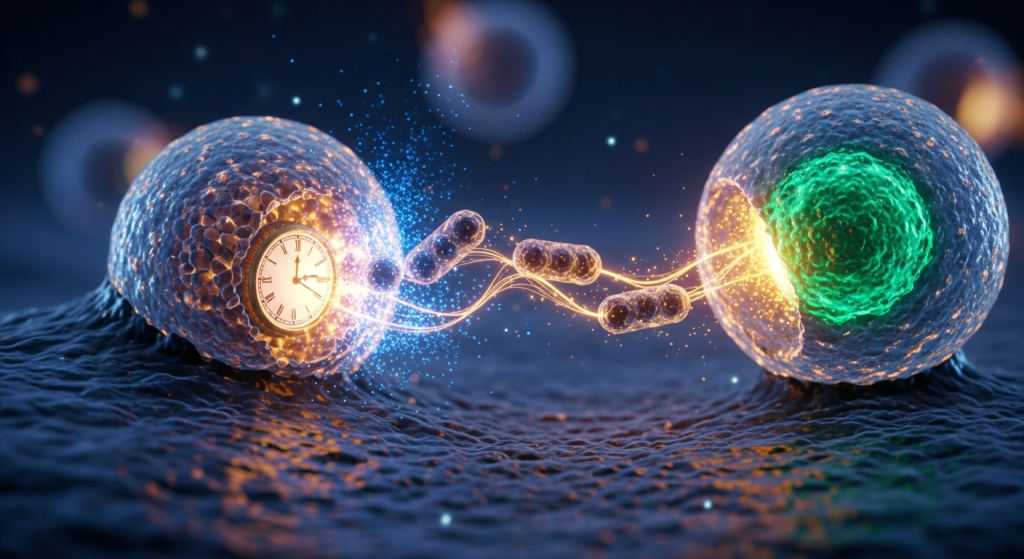
Aging is a natural, irreversible process. It brings about a gradual decline in our cells and tissues. Consequently, our risk for many age-related diseases increases significantly. These include conditions like Alzheimer’s, heart disease, and diabetes. While modern medicine has extended our lifespans, the aging of society presents new challenges. Chronic diseases are now major causes of disability and death in older adults. Research into aging focuses on understanding how various stresses contribute to this process. These stresses include DNA damage, telomere dysfunction, and cellular senescence. By understanding these mechanisms, scientists hope to find interventions that promote healthy aging and longevity.
Cellular senescence, in particular, plays a crucial role. It affects tissue maintenance and contributes to aging and associated diseases. It’s characterized by a decline in cell proliferation and function over time. The concept of aging as a cellular process has roots in early research. For instance, studies in the 1920s showed light intensity could affect lifespan in fruit flies. Later, caloric restriction was found to impact aging and longevity in rodents. These findings highlighted the plasticity of the aging process. More recently, research has identified several molecular mechanisms driving aging. These include genomic instability, telomere attrition, and mitochondrial dysfunction. Therefore, targeting these hallmarks offers a promising avenue for anti-aging therapies.
Understanding the Hallmarks of Aging
Aging is a complex phenomenon. It’s not caused by a single factor. Instead, it’s driven by a combination of interconnected molecular and cellular changes. Scientists have identified several key “hallmarks of aging.” These are characteristics that appear with age and contribute to the aging process. Understanding these hallmarks is essential for developing effective interventions. It allows researchers to target the root causes of aging rather than just its symptoms.
These hallmarks can be broadly categorized. Some are considered primary drivers of damage. Others are responses to damage. Finally, some represent the cumulative effects of aging. These interconnected processes create a system where damage accumulates over time. This accumulation leads to the functional decline we associate with aging. Importantly, interventions targeting these hallmarks have shown promise in extending healthspan and even lifespan in various model organisms.
Genomic Instability and Telomere Attrition
Our DNA is constantly under assault. Environmental factors and normal cellular processes can cause DNA damage. While cells have repair mechanisms, they aren’t perfect. Over time, unrepaired DNA damage accumulates. This genomic instability can lead to cellular dysfunction and mutations. It’s a significant contributor to aging. Furthermore, telomeres play a crucial role in protecting our chromosomes. They are protective caps at the ends of our DNA. With each cell division, telomeres shorten. Eventually, they become too short to protect the chromosome effectively. This triggers a cellular response, often leading to senescence. Therefore, telomere attrition is another key hallmark of aging.
Epigenetic Alterations and Loss of Proteostasis
Epigenetic changes involve modifications to DNA that don’t alter the underlying sequence. These changes can affect gene expression. With age, epigenetic patterns can become dysregulated. This can lead to inappropriate gene activation or silencing. It disrupts normal cellular function. Another critical process is proteostasis. This refers to the maintenance of protein homeostasis. Proteins must be correctly folded and functional. Aging is associated with a decline in protein quality control. This leads to the accumulation of misfolded or damaged proteins. Such aggregates can be toxic to cells. Thus, both epigenetic alterations and loss of proteostasis are significant aging drivers.
Deregulated Nutrient Sensing and Mitochondrial Dysfunction
Our cells have intricate systems for sensing nutrient availability. These pathways, like mTOR and insulin signaling, are vital for growth and metabolism. However, their dysregulation with age can be detrimental. For example, overactive nutrient sensing pathways can accelerate aging. Conversely, impaired nutrient sensing can lead to metabolic issues. Mitochondria, the powerhouses of our cells, also age. Mitochondrial dysfunction is a hallmark of aging. This involves reduced energy production and increased production of harmful reactive oxygen species (ROS). Consequently, cellular energy levels decline, and oxidative stress increases.
Cellular Senescence: A Key Player
Cellular senescence is a state where cells stop dividing. It’s a response to various stresses, including DNA damage and telomere shortening. While it can prevent cancer by halting damaged cells, senescent cells themselves can cause harm. They accumulate with age. These cells secrete a cocktail of inflammatory molecules, growth factors, and proteases. This is known as the senescence-associated secretory phenotype (SASP). The SASP promotes chronic inflammation and tissue damage. It can also induce senescence in neighboring cells. Therefore, cellular senescence is a critical hallmark, contributing to tissue dysfunction and age-related diseases. Targeting senescent cells, a strategy known as senolysis, is a major focus of anti-aging research.
Stem Cell Exhaustion and Altered Intercellular Communication
Stem cells are crucial for tissue repair and regeneration. They have the ability to differentiate into various cell types. With age, stem cell populations decline. Their regenerative capacity also diminishes. This stem cell exhaustion leads to impaired tissue repair. Furthermore, cells communicate with each other. This intercellular communication is vital for coordinating tissue function. Aging disrupts these communication networks. This can lead to miscommunication between cells. It contributes to inflammation and loss of tissue organization.
Chronic Inflammation and Dysbiosis
Chronic, low-grade inflammation, often termed “inflammaging,” is a hallmark of aging. It’s driven by various factors, including senescent cells and immune system changes. This persistent inflammation damages tissues and exacerbates age-related diseases. Lastly, the gut microbiome, a complex community of microorganisms in our digestive tract, plays a role. Age-related changes in the microbiome, or dysbiosis, can impact overall health. It influences inflammation, metabolism, and immune function.
Reversing Aging at the Molecular Level: Strategies and Interventions
The recognition of these aging hallmarks has opened up new therapeutic avenues. The goal is not just to slow aging but to reverse some of its effects. This involves targeting specific molecular pathways. Researchers are exploring various strategies. These range from lifestyle interventions to novel drug therapies.
Senolytics: Clearing Senescent Cells
One of the most promising approaches is the use of senolytics. These are drugs designed to selectively eliminate senescent cells. By clearing these pro-inflammatory cells, senolytics can reduce inflammation and improve tissue function. Studies in animal models have shown that senolytics can alleviate various age-related conditions. This includes improving cardiovascular function, reducing frailty, and enhancing cognitive abilities. The development of safe and effective senolytic drugs is a major area of research.
For example, some compounds like dasatinib and quercetin have shown senolytic activity. They target specific pathways that senescent cells rely on for survival. However, more research is needed to understand their long-term effects and potential side effects in humans. The eventual goal is to develop targeted therapies that can be used intermittently to clear senescent cells and rejuvenate tissues.
Reprogramming Cellular Identity
Another exciting area is cellular reprogramming. This involves resetting cells to a more youthful state. Techniques like Yamanaka factor-based reprogramming can revert differentiated cells into induced pluripotent stem cells (iPSCs). While full reprogramming can erase cell identity, partial reprogramming aims to rejuvenate cells without losing their specialized function. This approach holds potential for reversing age-related cellular damage and restoring tissue function.
Research has demonstrated that transient expression of reprogramming factors can rejuvenate cells in vitro. Furthermore, studies are exploring chemically induced reprogramming. This uses small molecules to achieve a similar rejuvenating effect. Such methods could offer a less invasive way to reverse cellular aging. This is particularly relevant for age-related diseases where cellular dysfunction is a key factor.
Lifestyle Interventions: Caloric Restriction and Exercise
While not strictly molecular interventions, lifestyle factors significantly impact aging at the molecular level. Caloric restriction (CR) has consistently shown to extend lifespan and healthspan in various organisms. It works by modulating nutrient-sensing pathways and improving cellular stress resistance. Exercise is another powerful intervention. It can combat many hallmarks of aging. For instance, exercise can reduce inflammation, improve mitochondrial function, and even impact telomere length. It activates pathways like AMPK, which plays a central role in cellular energy metabolism and stress response. Regular physical activity is therefore a cornerstone of healthy aging.
Targeting Epigenetic Drift
Given the role of epigenetic alterations in aging, interventions aimed at restoring youthful epigenetic patterns are being investigated. This could involve epigenetic drugs or therapies that modulate the enzymes responsible for epigenetic modifications. The aim is to reset gene expression profiles to a more youthful state. This could potentially reverse age-related cellular decline and improve tissue function.
Nutritional and Pharmacological Approaches
Beyond senolytics, other drugs and nutrients are being explored. NAD+ precursors, for example, are thought to boost cellular energy production and DNA repair. Compounds that enhance autophagy, the cell’s recycling system, can help clear damaged proteins and organelles. Microbiome modulation through probiotics and prebiotics is also gaining attention. These strategies aim to create a more favorable internal environment that supports cellular health and longevity.
The Future of Longevity Research
The field of aging research is rapidly evolving. Scientists are gaining a deeper understanding of the intricate molecular mechanisms that drive aging. Cellular senescence, once viewed as a simple endpoint, is now recognized as a dynamic process with therapeutic potential. Reversing aging at the molecular level is no longer science fiction. It is becoming a tangible scientific pursuit.
The ultimate goal is not just to extend lifespan but to extend healthspan. This means living longer, healthier lives, free from age-related diseases. By targeting the fundamental processes of aging, such as cellular senescence, we can hope to achieve this. Future research will likely focus on developing personalized interventions. These will be tailored to an individual’s unique aging profile. Combining different therapeutic strategies may also be key. For example, combining senolytics with interventions that improve mitochondrial function could yield synergistic effects.
The journey to understand and reverse aging is complex. It requires a multidisciplinary approach. It involves molecular biologists, geneticists, pharmacologists, and clinicians. As our knowledge grows, so does our ability to intervene. The promise of a future with increased healthspan and reduced age-related disease burden is becoming increasingly real. This is thanks to the ongoing research into cellular senescence and other hallmarks of aging. The ability to influence aging at the molecular level offers a profound opportunity to improve human health.
Frequently Asked Questions
What is cellular senescence?
Cellular senescence is a state where cells stop dividing permanently. This is often a response to stress, like DNA damage. While it can prevent cancer, senescent cells accumulate with age and release harmful inflammatory signals.
Can aging be reversed at the molecular level?
Research suggests that aging can be slowed, and some aspects reversed, at the molecular level. This is being explored through interventions targeting the hallmarks of aging, such as cellular senescence and epigenetic alterations.
What are senolytics?
Senolytics are a class of drugs designed to selectively eliminate senescent cells from the body. By clearing these cells, they aim to reduce inflammation and improve tissue function, potentially counteracting aging effects.
How does exercise impact cellular aging?
Exercise is a powerful intervention that can combat many hallmarks of aging. It helps reduce inflammation, improve mitochondrial function, and activate beneficial cellular pathways, thereby promoting cellular health and potentially extending healthspan.
What is the role of the gut microbiome in aging?
The gut microbiome changes with age (dysbiosis). These changes can impact overall health, influencing inflammation, metabolism, and immune function. Modulating the microbiome through diet or probiotics is being explored as an anti-aging strategy.