
Light Therapy’s Mood Boost: Beating Winter Blues
Published on December 31, 2025 by Admin
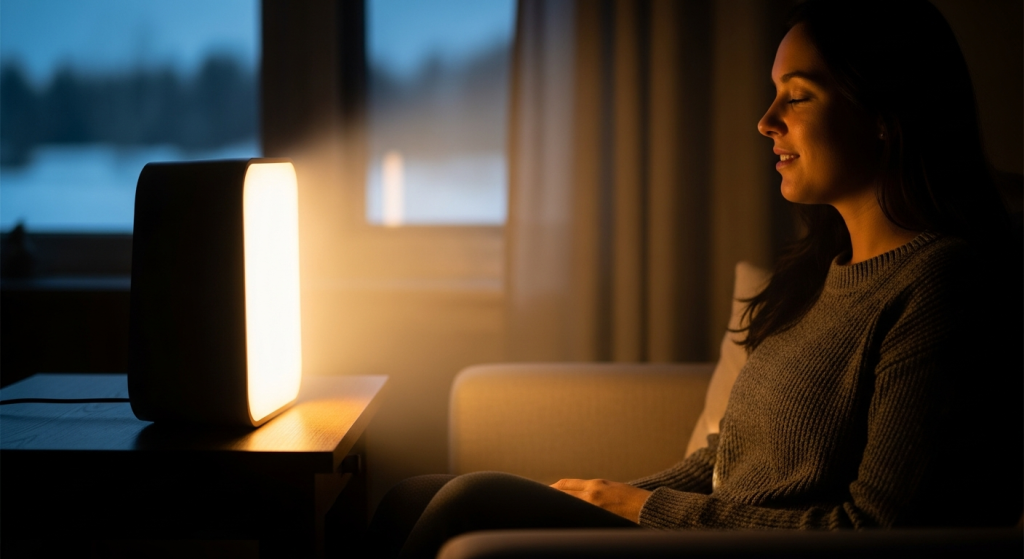
As the days grow shorter, many people experience a dip in mood and energy. This is often called the “winter blues.” For some, it’s a more serious condition known as Seasonal Affective Disorder (SAD). Fortunately, light therapy offers a surprising and effective way to combat these seasonal mood changes.
This article explores how light therapy works, its benefits for mood and SAD, and how it can be a valuable tool for sleep specialists and psychiatrists. We will delve into the science behind it and discuss its practical applications.
Understanding Seasonal Affective Disorder (SAD)
Seasonal Affective Disorder (SAD) is a type of depression. It has a recurrent seasonal pattern. Symptoms typically start in the late fall or early winter. They usually go away in the spring and summer. This is known as winter-pattern SAD. Some people experience depressive symptoms during spring and summer. This is called summer-pattern SAD, but it is less common.
Millions of Americans experience SAD each year. However, many may not realize they have it. SAD often begins in young adulthood. It affects women more often than men. People living in regions with less winter daylight are also more prone to SAD. For example, those in northern areas experience it more than those in southern regions.
The Core Symptoms of SAD
The signs and symptoms of SAD include those of general depression. They also include disorder-specific symptoms. These vary between winter-pattern and summer-pattern SAD.
Winter-Pattern SAD Symptoms:
- Oversleeping (hypersomnia).
- Overeating, especially craving carbohydrates. This often leads to weight gain.
- Social withdrawal, feeling like “hibernating.”
- Persistent sad, anxious, or “empty” mood.
- Feelings of hopelessness or pessimism.
- Irritability, frustration, or restlessness.
- Guilt, worthlessness, or helplessness.
- Loss of interest or pleasure in activities.
- Decreased energy and fatigue.
- Difficulty concentrating, remembering, or making decisions.
- Changes in sleep or appetite.
- Physical aches or pains without a clear cause.
Summer-Pattern SAD Symptoms:
- Trouble sleeping (insomnia).
- Poor appetite, leading to weight loss.
- Restlessness and agitation.
- Anxiety.
- Violent or aggressive behavior.
It is important to distinguish SAD from “holiday blues.” Holiday blues are linked to specific stresses around holidays. SAD, however, is directly related to changes in daylight hours. The depression associated with SAD is a clinical condition, not just a reaction to seasonal events.
The Science Behind Light Therapy’s Effectiveness
Light therapy, also known as phototherapy, is a primary treatment for SAD. It works by exposing individuals to artificial light. This light mimics natural sunlight. The goal is to help regulate the body’s internal clock, or circadian rhythm.
Several biological mechanisms are thought to be involved. A key factor is the disruption of circadian rhythms due to reduced daylight. This can lead to an overproduction of melatonin, a hormone that regulates sleep. It can also cause a decrease in serotonin, a neurotransmitter that influences mood. Lower levels of vitamin D have also been linked to SAD symptoms. Vitamin D plays a role in regulating mood and circadian rhythms.
Bright white light therapy specifically targets these issues. Visible light enters the eyes. It stimulates parts of the brain that regulate mood and sleep. This helps to reset the biological clock. As a result, it can alleviate symptoms of depression. Studies suggest that bright light treatment can have a specific antidepressant effect beyond a placebo effect. However, it may take at least 3 weeks to see significant improvement.
How Light Therapy Works: A Deeper Look
The eyes contain specialized photoreceptor cells. These cells are sensitive to light. When light enters the eyes, it signals the suprachiasmatic nucleus (SCN) in the brain. The SCN is the body’s master clock. It controls circadian rhythms. These rhythms govern sleep-wake cycles, hormone release, and other bodily functions.
Reduced daylight in winter can disrupt the SCN’s signaling. This leads to imbalances in neurotransmitters like serotonin and melatonin. Light therapy helps to correct these imbalances. It essentially “resets” the SCN. This restoration of circadian rhythmicity is believed to be the primary mechanism of action for light therapy in treating SAD. This understanding is crucial for sleep specialists aiming to improve sleep architecture and mood.
Choosing the Right Light Therapy
Not all light is created equal when it comes to SAD treatment. The most effective type of light therapy for SAD uses bright white light. This light is typically delivered via a light box or lamp.
Key Features of Effective Light Therapy Devices:
- Intensity: The gold standard for light therapy is bright white light with an intensity of 10,000 lux.
- Color Temperature: A cool white light is generally preferred.
- Type of Light: Clinically approved light boxes provide 10,000 lux of illumination.
- UV-Free: Importantly, therapeutic light boxes should be free of ultraviolet (UV) radiation. UV light can be harmful to the eyes and skin.
Tanning beds, for instance, are not an effective treatment for SAD. This is because they emit UV radiation. While some emerging data suggest physical health advantages to modest UV exposure, such as vitamin D synthesis and nitric oxide release, they do not target the neurological pathways needed to treat SAD. Dr. Michael Terman, a leading researcher in SAD treatment, emphasizes that visible light, not UV radiation, is the key to symptom relief. Tanning beds require protective eyewear that blocks the very light needed to activate the therapeutic mechanism.
Dawn simulation can also be beneficial. Some studies suggest dawn simulation is associated with greater remission and response rates compared to a placebo and even bright light therapy. This method gradually increases light intensity to mimic a natural sunrise, gently waking the user.
Practical Application of Light Therapy
Using light therapy effectively involves more than just owning a light box. Timing and consistency are crucial. For most people, morning exposure is most beneficial.
How to Use Light Therapy:
- Timing: Use a light box for about 30 minutes each morning. Ideally, do this soon after waking up.
- Consistency: Daily use is important for sustained benefits.
- Distance: Sit at a comfortable distance from the light box. The light should be shining on your face, but do not stare directly into the light.
- Duration: Start with a shorter duration if needed and gradually increase to 30 minutes.
Some studies suggest that a specific antidepressant effect may take at least 3 weeks to develop. Therefore, consistency is key. Research findings and data from the National Library of Medicine highlight the importance of rigorous study designs in evaluating light therapy’s efficacy.
Beyond SAD: Light Therapy’s Broader Mood Benefits
While SAD is a primary target, light therapy’s positive effects extend to other mood disorders. Research is exploring its role in treating non-seasonal depression. However, the clinical effects for non-seasonal depression have not been as extensively studied as for winter depression.
Furthermore, light therapy has shown promise in improving mood in patients with major depression and type 2 diabetes. A randomized, double-blind, parallel-arm trial evaluated whether light therapy improves depressive symptoms and insulin sensitivity. This study involved patients with type 2 diabetes and a major depressive episode. The hypothesis was that light therapy could improve both mood and insulin sensitivity, potentially by restoring circadian rhythmicity.
This suggests that light therapy is not just a seasonal treatment. It can be a valuable tool for a broader range of mood-related conditions. The chronobiological effects of light therapy are particularly interesting. They highlight the intricate connection between our internal body clocks and our overall well-being. Understanding these connections is vital for anyone interested in chronobiology and aligning life with the body clock.
Potential Side Effects and Precautions
Light therapy is generally considered safe. However, like any treatment, it can have side effects. Most are mild and temporary.
Common Side Effects:
- Headaches.
- Nausea.
- Eyestrain or eye irritation.
- Irritability or agitation.
These side effects often lessen as the body adjusts to the light. It is important to follow the recommended usage guidelines. Do not stare directly into the light. If side effects persist or are severe, consult a healthcare professional.
Individuals with certain eye conditions, such as glaucoma or diabetic retinopathy, should consult their ophthalmologist before starting light therapy. Additionally, people taking photosensitizing medications should exercise caution.
Integrating Light Therapy into a Comprehensive Treatment Plan
Light therapy is often most effective when used as part of a broader treatment strategy. For patients with SAD or other mood disorders, this can include psychotherapy, medication, and lifestyle adjustments.
Complementary Treatments:
- Psychotherapy: Cognitive Behavioral Therapy (CBT) can help individuals develop coping mechanisms for SAD symptoms.
- Medication: Antidepressant medications may be prescribed for more severe cases.
- Lifestyle: Regular exercise, a balanced diet, and consistent sleep schedules can significantly support mood regulation.
- Vitamin D: Ensuring adequate vitamin D levels may also be beneficial.
By combining light therapy with these other approaches, clinicians can create a personalized treatment plan. This holistic approach can maximize therapeutic benefits for patients struggling with seasonal depression and other mood disturbances.
Frequently Asked Questions About Light Therapy
Is light therapy a cure for SAD?
Light therapy is a highly effective treatment for SAD symptoms. It helps manage the condition by regulating circadian rhythms. However, it is not typically considered a “cure.” Many individuals find ongoing use beneficial during SAD-prone seasons.
How long does it take to see results from light therapy?
Some people report feeling better within a few days of starting light therapy. However, for many, significant symptom improvement may take 2 to 4 weeks of consistent daily use.
Can I use light therapy if I have other mood disorders?
While light therapy is primarily used for SAD, research suggests it may also benefit individuals with non-seasonal depression. It is best to consult with a healthcare professional to determine its suitability for your specific condition.
Are there any risks associated with light therapy?
Light therapy is generally safe with few side effects. Mild issues like headaches, nausea, or eye strain can occur but usually resolve quickly. It’s crucial to use a UV-free light source and follow usage guidelines.
What is the difference between light therapy and tanning beds?
Light therapy uses visible light (typically 10,000 lux) to treat mood disorders by regulating circadian rhythms. Tanning beds emit UV radiation, which is primarily for cosmetic tanning and carries significant risks, including skin cancer. UV light is not effective for SAD treatment.
Conclusion
Light therapy offers a powerful, evidence-based intervention for seasonal depression and other mood disturbances. By mimicking natural sunlight, it helps to reset the body’s internal clock. This can lead to significant improvements in mood, energy, and overall well-being.
For sleep specialists and psychiatrists, understanding the mechanisms and applications of light therapy is invaluable. It provides a non-pharmacological option that can be integrated into comprehensive treatment plans. As research continues, light therapy’s role in mental health is likely to expand, offering hope and relief to many.
