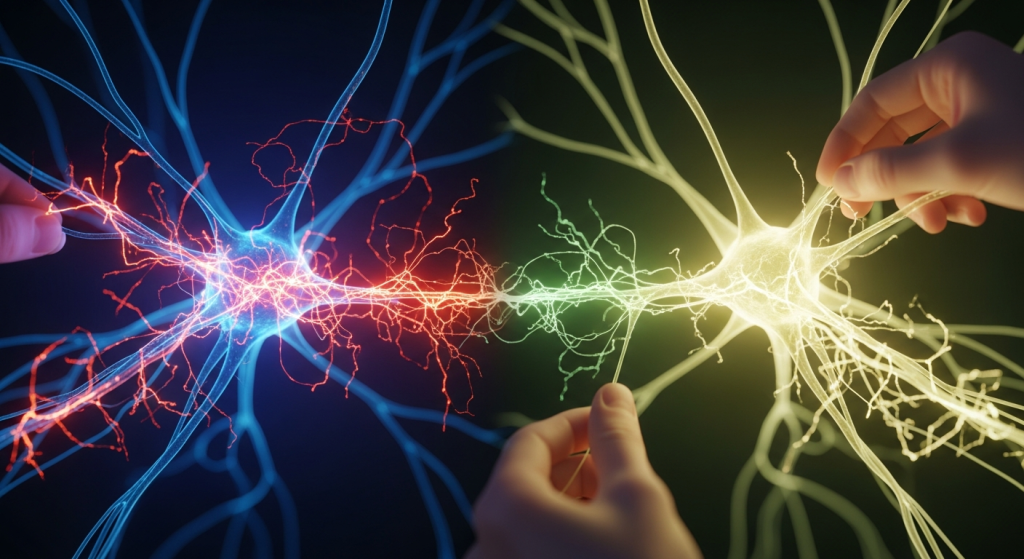
Addiction is a complex brain disease. It affects millions worldwide. Once seen as a moral failing, we now understand its deep neurological roots. Advances in neuroscience reveal how addiction hijacks the brain’s reward system. This understanding is crucial for effective treatment. It helps us develop interventions tailored to the brain’s altered pathways. Furthermore, this knowledge can reduce stigma. It shifts the perspective from a lack of willpower to a treatable condition. This article explores the neuroscience behind addiction. We will examine how it rewires the brain’s reward system. We will also discuss the stages of addiction and the path to recovery.
The Brain’s Reward System: A Survival Mechanism
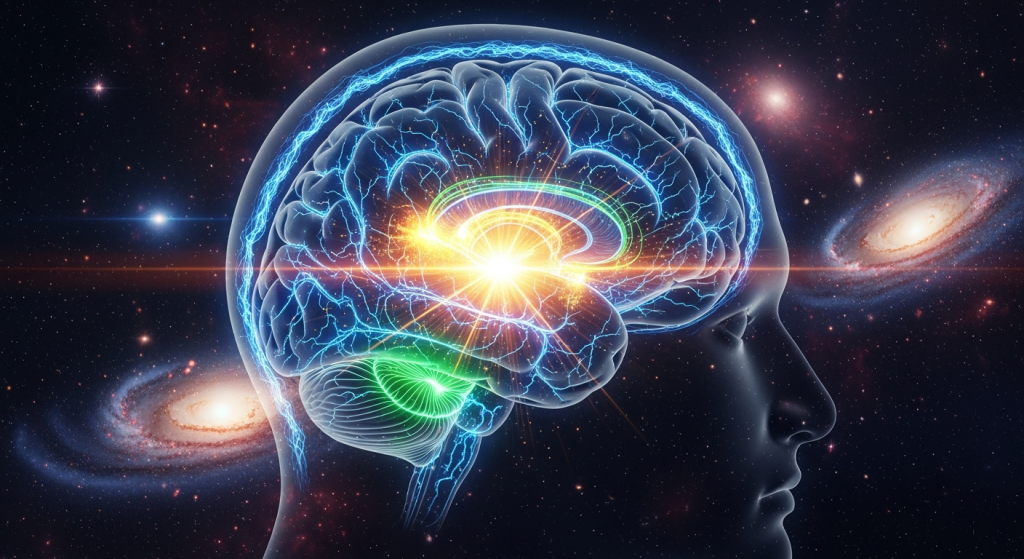
The human brain is an incredibly complex organ. It controls everything we think and feel. It also shapes who we are. At the core of our motivations is the brain’s reward system. This network of structures reinforces behaviors essential for survival. Think of eating, reproducing, and social bonding. These activities are vital for our continued existence. Central to this system is the mesolimbic dopamine pathway. This pathway includes the ventral tegmental area (VTA) and the nucleus accumbens.
Dopamine: The Neurotransmitter of Motivation and Pleasure
When we engage in rewarding activities, our brain releases dopamine. This neurotransmitter creates a sense of pleasure. It reinforces the behavior. This encourages us to repeat it. Therefore, dopamine is not just about pleasure. It is also about motivation. It signals the brain to prioritize certain actions. Essentially, it marks them as valuable. It makes them worth pursuing.
Natural rewards, such as delicious food or positive social interactions, activate this system. These rewards are essential for well-being. They are also crucial for survival. However, this finely tuned system can be exploited. Artificial stimuli can cause unnaturally high dopamine surges. This disrupts the delicate balance.
Natural Rewards vs. Artificial Stimuli
Natural rewards are those that occur organically. They are part of our evolutionary heritage. Examples include enjoying a meal, connecting with loved ones, or exercising. These activities trigger a regulated and sustainable release of dopamine. This ensures that we seek out these behaviors for our benefit.
On the other hand, artificial stimuli are often addictive substances or behaviors. These can include drugs, alcohol, and even gambling. These stimuli hijack the reward system. They trigger excessive dopamine release. This leads to a cycle of overactivation. It also results in desensitization over time.
As a result of this constant overstimulation, the brain adapts. It attempts to compensate for the excess dopamine. It does this by reducing its natural dopamine production. It also decreases receptor sensitivity. Consequently, the ability to experience pleasure from natural rewards diminishes. The individual becomes increasingly reliant on the artificial stimuli. They need them to feel any sense of satisfaction or normalcy. This adaptation reinforces the addiction. It also erodes the individual’s overall quality of life.
The Neurological Basis of Addiction: A Three-Stage Cycle
Understanding the neurological cycles of addiction is key. It is essential for developing effective treatments. Addiction is not a simple choice. It involves profound changes in brain structure and function. These changes create a powerful cycle of compulsive use and dependence.
Stage 1: Binge/Intoxication
This is the initial phase. Individuals experience the pleasurable effects of a substance. This is due to the surge in dopamine levels. This flood of dopamine creates powerful reinforcement. It makes the substance use highly rewarding. However, with repeated exposure, the brain becomes less responsive. It requires higher doses to achieve the same effect. This phenomenon is known as tolerance. It is a hallmark of addiction. It signals the beginning of deeper dependency.
Some drugs, like opioids and cocaine, can cause neurons to release abnormally large amounts of natural neurotransmitters. Alternatively, they can prevent the normal recycling of these brain chemicals. This amplifies or disrupts normal communication between neurons. This interference is a primary mechanism by which drugs hijack brain circuits.
Stage 2: Withdrawal/Negative Affect
As the brain adapts to repeated substance use, it struggles to maintain normal dopamine levels. When the substance is absent, individuals experience withdrawal symptoms. These can include anxiety, depression, irritability, and severe physical discomfort. These symptoms are often intensely unpleasant. They drive the individual to use the substance again. This is not necessarily for pleasure. It is simply to alleviate the distress.
This stage illustrates the transition from voluntary use to compulsive dependence. The individual’s primary motivation shifts. It moves from seeking reward to avoiding pain. In the context of alcohol use disorder, this negative emotional state is termed hyperkatifeia. It involves profound dysphoria, malaise, and irritability.
Stage 3: Preoccupation/Anticipation
Cravings and compulsive thoughts about substance use characterize this stage. The prefrontal cortex is heavily involved. This area is responsible for decision-making and impulse control. Altered activity in this region is observed during this phase. Neuroimaging studies reveal that addiction compromises the brain’s ability to evaluate consequences. It also impairs its ability to regulate behavior. This prompts a cycle of compulsive use. This stage often involves significant cognitive and emotional struggles. Individuals wrestle with the desire to quit. Yet, they face an overwhelming urge to continue using.
The prefrontal cortex is also the last part of the brain to mature. This makes adolescents particularly vulnerable to addiction. The shifting balance between the prefrontal cortex and other circuits, like the basal ganglia and extended amygdala, makes a person with a substance use disorder seek the drug compulsively. This occurs with reduced impulse control.
Vulnerability and Risk Factors
Addiction is a multifaceted disorder. It is influenced by a combination of factors. These include genetic, environmental, and psychological elements. Genetic predisposition plays a significant role. It can account for anywhere from 40% to 70% of an individual’s risk of developing a substance abuse disorder.
Environmental factors are also integral. Exposure to stress, trauma, or substance use within the family significantly increases vulnerability. Furthermore, mental health conditions like anxiety, depression, or post-traumatic stress disorder (PTSD) further elevate this risk. These co-occurring conditions can complicate treatment. They require a comprehensive approach.
Rewiring the Brain: The Path to Recovery
Recovering from addiction involves substantial behavioral and neural changes. The brain’s reward system, altered by substance use, requires time to heal. This healing process is often referred to as rewiring the brain. The brain’s adaptability, known as plasticity, is central to this process. This plasticity is key not only to the development of addiction but also to the effectiveness of treatments and the neurological improvements seen in recovery.
The Role of Neuroplasticity in Recovery
Neuroplasticity refers to the brain’s ability to reorganize itself. It can form new neural connections. This happens throughout life. In addiction, the brain’s circuits are fundamentally altered. Recovery involves harnessing this plasticity. It aims to re-establish healthier pathways. This helps the brain regain its ability to respond to natural rewards.
For example, recovery from methamphetamine use disorder shows this principle in action. After a period of abstinence, the brain shows lessened activity. However, with continued abstinence, dopamine transporter levels in the reward center begin to return to a near-normal level of functioning. This return to baseline function illustrates the brain’s remarkable capacity for healing.
Treatment Modalities and Brain Recovery
Treatment for addiction is multifaceted. It often involves a combination of approaches. These can include behavioral therapies, counseling, and sometimes medication. Medications can be particularly effective. They can help manage withdrawal symptoms. They can also address co-occurring mental health conditions. For instance, medication-based treatments are often the most effective for opioid use disorder.
It is important to note that addiction is a chronic disease. Like diabetes or hypertension, it requires ongoing management. Treatment should be sustained. The intensity should adjust to the stage of the disease. Personalization is also crucial. Treatment should be calibrated to the severity of the addiction. It should also consider comorbidities and the individual’s support systems.
While the brain changes associated with addiction can persist for months or even years, they are amenable to treatment. The goal of treatment interventions is to reverse these neuroadaptations. This involves improving self-regulation. It also includes controlling cravings and managing distressing emotions. Furthermore, treatment aims to improve sensitivity to alternative reinforcers. It helps individuals find pleasure in non-drug-related activities again.
The journey of recovery is unique for each individual. Factors like genetics, environment, and personal history shape vulnerability. Therefore, treatment approaches must be tailored. Different people may require different strategies. This individualized approach maximizes the chances of sustained recovery. It acknowledges the complex interplay of factors contributing to addiction.
Frequently Asked Questions
What is the primary neurotransmitter involved in the brain’s reward system?
The primary neurotransmitter involved is dopamine. It plays a key role in signaling pleasure and motivation.
How do addictive substances differ from natural rewards in their effect on the brain?
Addictive substances trigger an outsized response. They cause dopamine to flood the reward pathway, often much more intensely than natural rewards. This leads to overactivation and subsequent desensitization.
What are the three main stages of the addiction cycle?
The three main stages are binge/intoxication, withdrawal/negative affect, and preoccupation/anticipation. Each stage involves distinct neurobiological changes.
Can the brain recover from addiction?
Yes, the brain can recover from addiction. This process relies on neuroplasticity and takes time. Evidence shows that brain function can return to a more healthy baseline with sustained abstinence and appropriate treatment.
Is addiction considered a chronic disease?
Yes, addiction is now understood to be a chronic brain disease. Like other chronic illnesses such as diabetes or hypertension, it is treatable but can be subject to relapse and requires ongoing management.
What role does the prefrontal cortex play in addiction?
The prefrontal cortex is responsible for decision-making, impulse control, and executive functions. In addiction, its functioning is often impaired, leading to difficulties in regulating behavior and making rational choices.
Conclusion
The neuroscience of addiction offers profound insights. It reveals how the brain’s reward system is fundamentally altered. Understanding these rewiring processes is vital. It empowers addiction counselors and neuroscientists. It guides the development of more effective treatments. Furthermore, it helps dismantle the stigma surrounding addiction. By recognizing addiction as a treatable brain disease, we can foster a more compassionate and evidence-based approach to recovery. The brain’s capacity for healing through neuroplasticity offers hope. It underscores the importance of continued research and personalized interventions.