Gut Microbiome Diversity: Unlock Your Health Potential
Published on December 31, 2025 by Admin
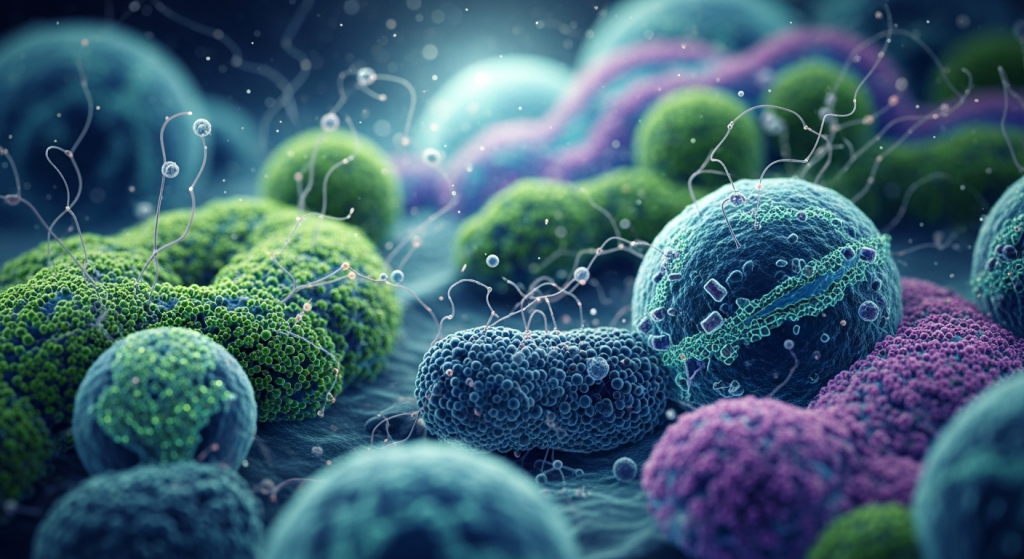
Your gut is a bustling ecosystem. It’s home to trillions of microbes. These tiny organisms form your gut microbiome. They play a crucial role in your health. Indeed, they influence everything from digestion to immunity. Furthermore, they impact your mental well-being. This article explores the health implications of microbiome diversity. We will also discuss how to measure and improve your gut life.
What is the Gut Microbiome?
The gut microbiome is a complex community. It lives primarily in your large intestine. It includes bacteria, viruses, fungi, and other microorganisms. There are over a thousand species of bacteria alone. These microbes are not all the same. Some are beneficial, while others can be harmful. A healthy balance is key. This ecosystem is unique to each individual. It’s shaped by genetics, diet, and environment. Your first microbes are inherited during birth. Breastfeeding also plays a role. Later, your diet and lifestyle introduce new microbes. Some exposures can harm your gut microbiota. Others can enrich it.
Why Gut Health Matters
Your gut is more than just a digestive tube. It’s a vital organ. It helps break down food. It also absorbs essential nutrients. These nutrients support numerous bodily functions. The importance of the gut is an active area of research. Studies show links between gut health and many conditions. These include:
- The immune system
- Mental health
- Autoimmune diseases
- Endocrine disorders (like type 2 diabetes)
- Gastrointestinal disorders (like IBS and IBD)
- Cardiovascular disease
- Cancers
- Sleep quality
- Digestion itself
A diverse gut microbiome is a strong indicator of good gut health. This diversity seems to be crucial for overall well-being. It’s like a thriving native garden. When it’s healthy, you thrive. If it’s depleted or overrun, your whole system can suffer.
Measuring Microbiome Diversity: What We Know
Defining “gut health” precisely is challenging. There is no single, clear measure. However, researchers often look at microbiome diversity. This refers to the number of different species present. A higher level of diversity is generally considered a good sign. It suggests a more robust and resilient ecosystem. Conversely, low diversity can be a marker of dysbiosis. Dysbiosis means an imbalance in the microbial community. This imbalance has been linked to various health issues. These include obesity and cardiometabolic conditions Source 6.
While we can’t use one specific measure for gut health, certain signs can indicate issues. These include persistent digestive symptoms. Think gas, bloating, constipation, diarrhea, or heartburn. Sleep disturbances and fatigue are also common. Furthermore, mood changes like high stress, low mood, or anxiety can be related. A high frequency of infections, like the common cold, might also signal a compromised gut.

Factors Affecting Your Gut Microbiome
Many factors can influence your gut’s microbial inhabitants. Some are within your control, others are not. Lifestyle choices play a significant role. Stress can negatively impact your gut. Too little sleep is also detrimental. Lack of physical activity can affect it too. Eating too many ultra-processed foods is a common culprit. Smoking and excessive alcohol consumption are also harmful. Taking antibiotics, while sometimes necessary, can disrupt the microbiome. This is because they kill both harmful and beneficial bacteria.
Other factors are less controllable. Your environment plays a part. Age is another factor. The mode of birth (vaginal vs. C-section) can influence initial colonization. Early infant feeding, whether breastfed or bottle-fed, also has an impact. These elements shape the foundation of your gut ecosystem.
How to Improve Your Gut Health
Fortunately, you can take steps to improve your gut health. Lifestyle and diet changes are powerful tools. Dietary fiber is particularly important. It helps keep you regular. It can also reduce the risk of bowel cancer. Most importantly, fiber feeds the healthy bacteria in your gut.
The Power of Whole Foods and Fiber
Eating a diet rich in wholefoods is essential. Focus on plant-based sources like fruits, vegetables, legumes, nuts, and wholegrains. These foods can help prevent the growth of bacteria linked to diseases and inflammation. A high-fiber diet is crucial for several reasons. Fiber affects gut function. It influences digestion and nutrient absorption. It also impacts how quickly things move through your digestive tract. Furthermore, it affects stool quality. The breakdown of fiber by gut bacteria produces important compounds. These can influence the development of gastrointestinal conditions like bowel cancer Source 1. Apart from gut benefits, fiber also helps reduce the risk of heart disease.
Wholefoods provide the right fuel for your gut bacteria. This helps maintain a balanced microbiome. It’s important to eat a range of these foods. Prioritize those from plant sources.
Fermented Foods: A Gut-Friendly Choice
Fermented foods can significantly boost gut health. Studies show they increase overall gut microbiota diversity. They also reduce key markers of inflammation. Examples include sauerkraut, plain yogurt, kimchi, kombucha, natto, and kefir. It’s important to choose low-sugar options. Look for products in the refrigerator section. These are more likely to contain live active cultures. Shelf-stable fermented foods are often pasteurized and won’t offer the same benefits. You can also make your own fermented foods at home. This can be a cost-effective approach.
While a high-fiber diet didn’t directly increase diversity in one study, it did increase carbohydrate-active enzymes. These enzymes help digest fiber. This can further enhance the microbiome’s ability to break down complex carbohydrates. Additionally, some participants on high-fiber diets showed reduced inflammation markers. Plant-based, high-fiber foods remain vital for overall health and providing nutrients for existing microbiota.
Prebiotics and Probiotics
Prebiotics are essentially food for your gut microbes. They are fermentable dietary fibers or microbiota-accessible carbohydrates. Probiotics, on the other hand, are live bacteria or yeasts that can colonize your gut. Synbiotics are a combination of both prebiotics and probiotics.
Augmenting your diet with low levels of prebiotics and/or probiotics can improve gut health. This is especially true when combined with a whole-foods diet. In cases of dysbiosis, such as after antibiotic use, during high stress, travel, or significant dietary changes, higher levels of prebiotics or probiotics might aid recovery. However, excessive intake of probiotics has been linked to potential issues.
Lifestyle Factors for a Healthy Gut
Beyond diet, lifestyle choices are crucial. Physical activity is beneficial for gut health. Regular exercise can positively influence the gut microbiome. Good sleep is also vital. Chronic sleep deprivation can disrupt the microbial balance. Stress reduction techniques are also important. Managing stress can have a direct positive impact on your gut. Consider practices like mindfulness or deep breathing exercises. You can learn more about managing stress by exploring resources on cortisol balance and its impact on your body.
The Gut-Brain Connection
The gut and brain are intimately connected. This connection is known as the gut-brain axis. Your gut microbes produce chemicals. These chemicals can directly impact your brain function. This includes neurotransmitters like serotonin. Serotonin is a key player in mood regulation. Therefore, a healthy gut can contribute to better mental health. It can also influence feelings of hunger and satiety. The impact of the gut on the nervous system is a significant area of research. You can delve deeper into this topic by reading about the gut-brain axis.
Signs of an Unhealthy Gut
Recognizing the signs of an unhealthy gut is important. Persistent digestive issues are a primary indicator. This includes frequent gas, bloating, constipation, diarrhea, and heartburn. Unexplained fatigue or sleep disturbances can also be linked. Changes in mood, such as increased stress, anxiety, or low mood, are also warning signs. Furthermore, a higher frequency of infections, like colds, might suggest a compromised immune system influenced by gut health.
These symptoms don’t always mean a severe problem. However, they warrant attention. They could be signals that your gut microbiome needs support. Addressing these signs can lead to significant improvements in overall well-being.
Conclusion: Nurturing Your Inner Ecosystem
Your gut microbiome is a powerful force. It influences your physical and mental health profoundly. By understanding the importance of microbiome diversity, you can take proactive steps. Focusing on a whole-foods, high-fiber diet is paramount. Incorporating fermented foods and considering prebiotics and probiotics can also be beneficial. Remember to prioritize lifestyle factors like sleep, exercise, and stress management. Nurturing your inner ecosystem is an investment in your long-term health and vitality.
Frequently Asked Questions
What is the most important factor for gut health?
While many factors contribute, a diverse diet rich in wholefoods, particularly fiber, is widely considered the most impactful for promoting a healthy gut microbiome.
Can I measure my gut microbiome diversity at home?
Directly measuring microbiome diversity at home is not yet feasible with standard tools. However, commercial microbiome testing kits are available, though their interpretation and clinical utility are still evolving. Observing your symptoms and making dietary changes are more practical approaches for most people.
How long does it take to improve gut health?
Changes in the gut microbiome can occur relatively quickly, but significant and lasting improvements often take time. Consistent dietary and lifestyle changes over several weeks to months are typically needed to see noticeable benefits.
Are all probiotics the same?
No, probiotics are not all the same. They contain different strains of bacteria and yeasts. The effectiveness of a probiotic depends on the specific strains and the individual’s needs. It’s often recommended to consult with a healthcare professional for personalized advice.
Can stress really affect my gut?
Yes, stress has a significant impact on the gut. It can alter gut motility, increase inflammation, and change the composition of the gut microbiome. This is part of the complex gut-brain axis.