

Cold thermogenesis is a powerful strategy. It can help boost your metabolism. Biohackers and athletes are increasingly interested in its benefits. This involves using cold exposure to activate brown fat. This process increases your body’s heat production. As a result, it burns more calories.
Understanding the science behind it is key. This article will guide you through scientific protocols. We will explore how to safely leverage cold for enhanced metabolic function. You will learn how to activate your body’s natural furnace. This can lead to improved energy levels and better health outcomes.
What is Cold Thermogenesis?
Cold thermogenesis is the process by which your body generates heat. This happens in response to cold temperatures. It is a fundamental survival mechanism. Homeotherms, like humans, maintain a constant core body temperature. They do this through various physiological responses. Cold exposure triggers these responses.
The primary goal is to prevent heat loss. It also aims to increase heat production. This is crucial for survival in colder environments. However, modern lifestyles often shield us from cold. This can lead to reduced activation of these natural thermogenic processes. This is where deliberate cold exposure comes in.
The Role of Brown Adipose Tissue (BAT)
Brown adipose tissue, or brown fat, is central to cold thermogenesis. Unlike white fat, which stores energy, brown fat burns calories to produce heat. It is a metabolically active tissue. Brown fat gets its distinctive color from a high concentration of mitochondria. These mitochondria are the powerhouses of cells.
In brown fat, mitochondria work overtime. When activated by cold, they “uncouple” the normal energy-producing process. Instead of creating ATP (the cell’s energy currency), they release energy directly as heat. This process is called non-shivering thermogenesis (NST). This makes your body an efficient furnace.
For a long time, it was believed that only infants had significant amounts of BAT. However, research has shown that adults retain functional BAT depots. These are primarily located around the neck, collarbones, and along the spine. Cold exposure is a potent activator of this tissue. It can recruit more BAT. It also increases the activity of existing BAT.
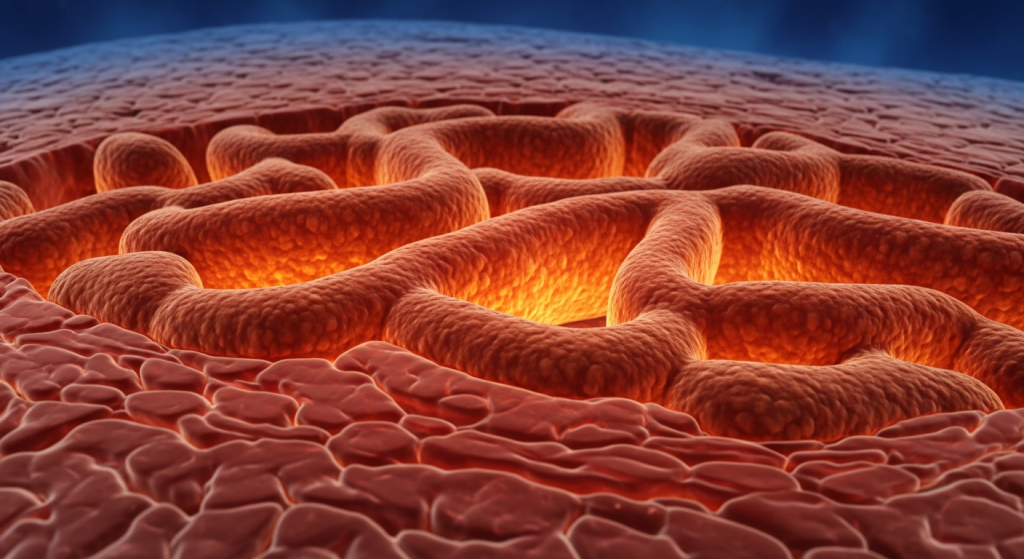
How Cold Exposure Activates Brown Fat
When your skin senses cold, it sends signals to your brain. Specifically, the sympathetic nervous system is activated. This system then signals the brown adipose tissue. It tells the BAT to start generating heat. This involves the release of neurotransmitters like norepinephrine.
Norepinephrine stimulates brown fat cells. It causes them to increase their metabolic rate. This leads to the burning of fatty acids and glucose for energy. The energy is then dissipated as heat. This process is highly efficient. It can significantly increase your overall energy expenditure.
Studies have shown that cold acclimation can increase BAT activity. This is seen in parallel with an increase in non-shivering thermogenesis. For example, a 10-day cold acclimation protocol in humans led to significant increases in BAT activity and NST. This suggests that consistent cold exposure can lead to lasting metabolic changes.
Benefits of Cold Thermogenesis for Performance Athletes and Biohackers
The benefits of cold thermogenesis extend beyond just calorie burning. For performance athletes and biohackers, it offers several advantages:
- Increased Metabolism and Fat Loss: The most direct benefit is the boost in calorie expenditure. This can aid in fat loss and body recomposition.
- Enhanced Energy and Focus: Deliberate cold exposure triggers the release of epinephrine and norepinephrine. These neurochemicals enhance alertness and focus. They can improve cognitive function and mental clarity. This effect can last for some time after the exposure.
- Improved Mood and Resilience: Cold exposure also leads to a prolonged release of dopamine. Dopamine is crucial for mood regulation and motivation. Furthermore, by voluntarily enduring cold, you train your brain to manage stress. This builds resilience and grit. You exert “top-down” control over your responses. This skill carries over to other life stressors.
- Better Glucose Homeostasis: Some research suggests that intermittent cold exposure can lead to transient improvements in glucose metabolism. While not a cure for metabolic disorders, it indicates a positive impact on how your body processes sugar.
- Mitochondrial Health: Cold exposure may also influence mitochondrial function. The increased demand for energy production can stimulate mitochondrial biogenesis. This is beneficial for overall cellular health and energy production. You can learn more about mitochondria’s role in cellular energy.
Scientific Protocols for Cold Exposure
Implementing cold thermogenesis safely and effectively requires a structured approach. It’s not just about jumping into an ice bath. The type of cold exposure, duration, and frequency all matter.
Cold Showers
Cold showers are the most accessible form of cold exposure. They are a great starting point for most people. The key is to gradually decrease the water temperature. Aim for a temperature that is uncomfortable but safe. You should be able to stay in for a few minutes.
Protocol:
- Start with 30-60 seconds of cold water at the end of your regular shower.
- Gradually increase the duration to 2-5 minutes.
- Aim for a temperature that makes you want to get out but you can safely stay in.
- Frequency: Daily or multiple times a week.
Even short durations in very cold water can have significant effects. For instance, just 20 seconds in very cold water (~40°F or 4°C) can increase epinephrine levels. This highlights the power of acute cold stimuli.
Ice Baths and Cold Water Immersion
Ice baths or full cold water immersion offer a more intense stimulus. They are highly effective for activating BAT. However, they require more preparation and caution.
Protocol:
- Fill a tub with cold water and add ice.
- Aim for a water temperature between 40-60°F (4-15°C).
- Start with short durations, perhaps 1-3 minutes.
- Gradually increase the time as you become more acclimated. Aim for 5-15 minutes.
- Frequency: 2-4 times per week.
It’s important to note that the colder the stimulus, the shorter the duration needed. Some studies used ice baths or cold water immersion up to the neck. These protocols have shown significant and prolonged increases in dopamine. This was observed even with an hour-long exposure in cooler water (60°F). However, very cold water for shorter periods also yields results.
Intermittent Cold Exposure (Research Protocol Example)
Animal studies provide insights into more structured protocols. One study explored intermittent cold exposure in mice. They were exposed to 4°C for one to eight hours, three times a week. This approach demonstrated that cold exposure increased metabolic rate. It also activated brown fat. However, in this specific study, food intake increased to compensate. This meant no significant weight loss was observed. Nevertheless, transient improvements in glucose homeostasis were noted.
While this specific mouse protocol might be too extreme for humans, it highlights the principle of consistent, intermittent stimulation. For humans, this could translate to regular cold showers or baths.
Safety Guidelines for Cold Thermogenesis
Safety is paramount when engaging in cold exposure. Cold shock is a real risk. It can lead to involuntary gasping and hyperventilation. This can be dangerous, especially in water.
- Never Hyperventilate: Do not intentionally hyperventilate before or during cold water immersion.
- Start Slowly: Begin with warmer temperatures and shorter durations. Gradually increase the intensity as your body adapts.
- Listen to Your Body: If you feel unwell, dizzy, or experience extreme discomfort, exit the cold exposure immediately.
- Avoid Dangerous Water Bodies: Never engage in cold water immersion in uncontrolled natural bodies of water if you are not an experienced cold water swimmer.
- Protect Extremities: If doing prolonged cold exposure, consider insulated gloves and boots.
- Stay Hydrated: Ensure you are well-hydrated before and after cold exposure.
- Warm-Up Gradually: After cold exposure, warm up slowly. Avoid hot showers immediately, as this can cause a rapid drop in blood pressure. Gentle movement and dry clothing are best.
- Consult a Doctor: If you have any underlying health conditions, especially cardiovascular issues, consult your doctor before starting cold thermogenesis protocols.
Beyond Cold: Synergistic Strategies
While cold exposure is powerful, it can be further enhanced. Combining it with other lifestyle factors can amplify its benefits.
Diet and Nutrition
Certain foods can also support thermogenesis. Capsaicin, found in chili peppers, can activate brown fat. Tea catechins may also play a role. Bile acids are another factor. They can activate BAT through specific receptors. A balanced diet rich in whole foods supports overall metabolic health. This provides the necessary fuel for increased energy expenditure.
You can explore the role of diet in metabolic health further. Understanding anti-inflammatory foods can also complement your efforts.
Exercise
Exercising in the cold can amplify the metabolic benefits. The body has to work harder to maintain its temperature. This increases calorie burn. However, proper layering is essential to stay dry and manage moisture. This prevents hypothermia. Cold weather exercise requires careful preparation.
Sleep and Stress Management
Adequate sleep is crucial for hormonal balance and metabolic regulation. Chronic stress can disrupt these processes. Techniques like mindfulness and breathwork can help manage stress. They can also improve your body’s response to cold. Learning about cortisol balance is key for overall well-being.
Chronobiology
Aligning your cold exposure with your body’s natural rhythms can also be beneficial. Understanding your circadian rhythm helps optimize various health practices. This includes when you might best benefit from a cold stimulus. For more on this, see aligning your life with your body clock.
Frequently Asked Questions about Cold Thermogenesis
Is cold thermogenesis safe for everyone?
Cold thermogenesis is generally safe for healthy individuals. However, those with cardiovascular conditions, Raynaud’s disease, or other cold-related sensitivities should consult a doctor before starting. It’s crucial to start slowly and listen to your body.
How quickly can I expect to see results?
Results vary based on individual physiology, consistency, and protocol. Some people notice immediate improvements in energy and mood. Significant metabolic changes and fat loss may take weeks or months of consistent practice.
Can cold exposure help with weight loss?
Yes, cold exposure can contribute to weight loss by increasing calorie expenditure. It activates brown fat, which burns calories to generate heat. However, it’s most effective when combined with a healthy diet and regular exercise.
What is the difference between brown fat and white fat?
White fat primarily stores energy. Brown fat burns calories to produce heat. Brown fat has more mitochondria and is activated by cold exposure. White fat is more prevalent and stores energy for later use.
How cold does it need to be?
The ideal temperature depends on individual tolerance. The goal is a temperature that is challenging but safe. For cold showers, this might be 50-60°F (10-15°C). For ice baths, temperatures can range from 40-50°F (4-10°C). The key is to feel a significant cold stimulus that prompts your body to generate heat.
Conclusion
Cold thermogenesis offers a scientifically-backed approach to boosting metabolism and enhancing overall health. By strategically exposing yourself to cold, you can activate your brown adipose tissue. This leads to increased calorie burning and a more efficient metabolism.
Whether through cold showers, ice baths, or cold weather exercise, consistency is key. Always prioritize safety and listen to your body. Combining cold exposure with a healthy diet, regular exercise, and good sleep practices will maximize its benefits. Embrace the chill and unlock your body’s natural thermogenic potential.
