
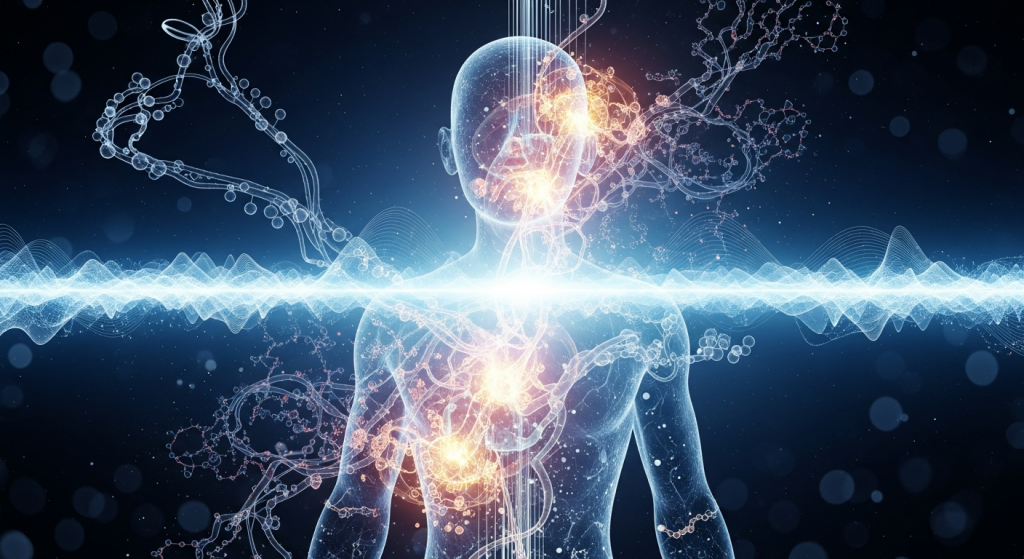
Your genes are not your destiny. Epigenetics reveals how lifestyle and environment can switch genes on or off.
Understanding epigenetics is revolutionizing medicine. It explains how our daily choices impact our health. This field bridges genetics and environmental influences. It offers new hope for disease prevention and personalized health.
Geneticists and preventive medicine doctors now have a powerful new lens. This lens helps them see the dynamic interplay between our DNA and our world. It moves beyond a static view of inherited predispositions.
The Dynamic Nature of Gene Expression
Genetics provides the fundamental blueprint. However, epigenetics explains how this blueprint is read and utilized. Think of DNA as the hardware. Epigenetics, then, is the software that tells the hardware what to do and when.
Unlike genetic mutations, which alter the DNA sequence itself, epigenetic changes are modifications. These changes affect gene expression without changing the underlying DNA code. Therefore, they can be reversible. This reversibility is key for therapeutic interventions.
Gene expression is the process of turning genetic information into functional products, like proteins. Epigenetic mechanisms control whether genes are activated (“on”) or silenced (“off”). They also dictate how much of a protein is produced.
These modifications begin early in development. They guide cells to become specialized, like nerve cells or muscle cells. As we age, our epigenetics also change. This happens through normal development and aging processes. It also occurs due to lifelong exposures.
Key Epigenetic Mechanisms
There are three primary ways epigenetics influences gene expression:
- DNA Methylation: This involves adding a methyl group to DNA. Typically, methylation silences genes. It acts like a switch turning genes off. Demethylation, the removal of this group, can turn genes back on. This is a very common mechanism influenced by environmental factors. DNA methylation is a primary way environmental factors cause epigenetic changes.
- Histone Modifications: DNA is wrapped around proteins called histones. These proteins form chromatin. Chemical modifications to histones, like acetylation or methylation, can alter chromatin structure. This can either make DNA more accessible for gene expression (euchromatin) or more condensed and inaccessible (heterochromatin).
- Non-coding RNAs (ncRNAs): These RNA molecules do not code for proteins. However, they play a crucial role in regulating gene expression. They can interact with DNA and proteins to influence epigenetic marks.
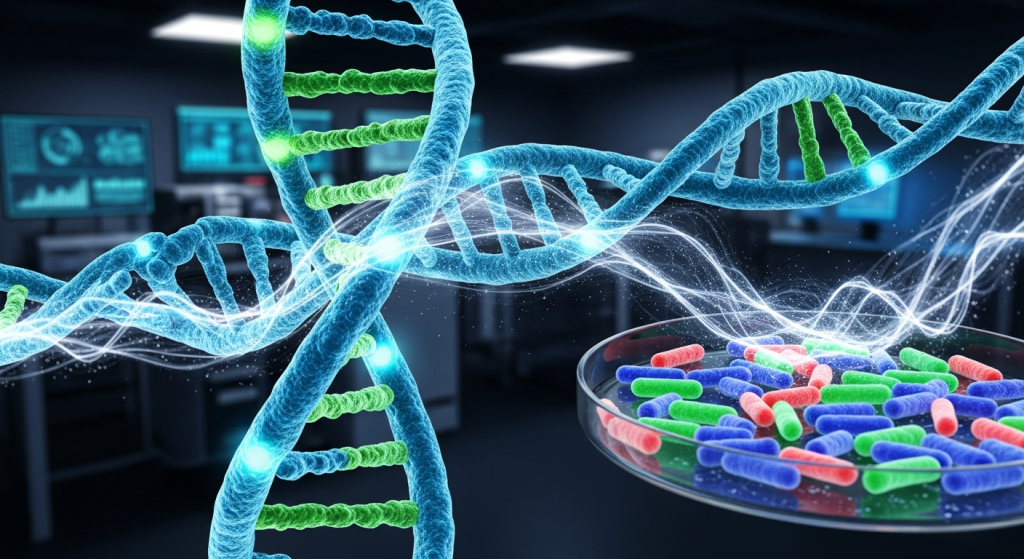
Lifestyle Factors: Powerful Epigenetic Modulators
The term “lifestyle” encompasses a broad range of daily activities and habits. Increasingly, evidence shows these factors profoundly influence epigenetic patterns. They can impact our health and disease risk.
Several lifestyle factors have been identified as key epigenetic modulators. These include:
- Nutrition: What we eat significantly impacts our epigenome. For instance, nutrients like folate and polyphenols can affect DNA methylation and histone modifications. Dietary components such as folate and polyphenols can affect DNA methylation and histone modifications.
- Physical Activity: Regular exercise induces epigenetic modifications. These changes can improve metabolic function and insulin sensitivity. High-intensity interval training, for example, has been shown to have beneficial epigenetic effects.
- Tobacco Smoking: Smoking is a potent epigenetic disruptor. It can lead to DNA hypermethylation in genes related to crucial functions like anti-oxidation and insulin resistance.
- Alcohol Consumption: High alcohol intake can also alter epigenetic patterns. This can contribute to various health issues.
- Psychological Stress: Chronic stress is a significant environmental factor. It can lead to epigenetic changes that impact mental health and stress responses. Indeed, chronic stress impacts DNA repair mechanisms, a crucial link to disease development.
- Environmental Pollutants: Exposure to toxins like arsenic can also influence epigenetic markers. These exposures can have long-lasting health consequences.
- Sleep Quality: Poor sleep can disrupt circadian rhythms and affect epigenetic regulation. Proper sleep is vital for cellular repair and overall health.
The Role of Diet in Epigenetic Modulation
Diet is perhaps one of the most accessible lifestyle factors for modulating epigenetics. Specific dietary patterns have shown remarkable effects.
For example, diets rich in fruits, vegetables, and whole grains, such as the Mediterranean and DASH diets, have been linked to favorable DNA methylation patterns. These patterns can slow epigenetic aging. They also promote better health biomarkers.
Conversely, deficiencies in certain nutrients can lead to increased disease susceptibility. Adequate intake of vitamins and minerals is therefore crucial for maintaining a healthy epigenome.
Environmental Exposures and Epigenetic Changes
Beyond deliberate lifestyle choices, our environment constantly bombards us with various exposures. These can also leave epigenetic marks.
Pollution: Air pollution, heavy metals, and endocrine-disrupting chemicals (EDCs) are known epigenetic modulators. For instance, paternal exposure to EDCs has been linked to increased predisposition to various diseases in offspring via epigenetic changes during gametogenesis.
Workplace Exposures: Working on night shifts, for example, can disrupt circadian rhythms. This disruption can lead to epigenetic alterations. Such changes may increase the risk of certain chronic diseases over time.
Epigenetics in Disease Etiology
Alterations in epigenetic marks are increasingly associated with a wide range of human diseases. This is a critical area of research for geneticists and preventive medicine doctors.
Cancer: In cancer, epigenetic changes are well-documented. Hypermethylation of tumor suppressor genes and hypomethylation of proto-oncogenes are common. These changes contribute to uncontrolled cell growth and tumor development.
Cardiovascular Diseases: Lifestyle factors influencing epigenetic modifications can increase the risk of heart disease. Diet, obesity, and stress all play a role.
Neurodegenerative Diseases: Emerging research suggests epigenetic dysregulation may contribute to conditions like Alzheimer’s and Parkinson’s disease. Environmental factors and aging are thought to be key drivers.
Metabolic Disorders: Conditions such as type 2 diabetes and obesity are strongly linked to epigenetic changes. Paternal diet, obesity, and high blood glucose levels have been associated with greater risks of metabolic dysfunction in offspring via epigenetic alterations in sperm.
The Sperm Epigenome and Offspring Health
A particularly fascinating area is the influence of paternal lifestyle on offspring health through the sperm epigenome. Recent studies suggest that a father’s diet and lifestyle before conception can impact his child’s health via epigenetic inheritance.
For example, smoking can induce DNA hypermethylation in sperm genes related to crucial functions. Paternal obesity is also linked to increased risks of metabolic dysfunction in offspring. Furthermore, paternal exposure to certain environmental chemicals can lead to transgenerational transmission of disease predispositions.
This highlights the importance of preventive health for prospective fathers. Modifying lifestyle choices can have a profound impact on future generations.
Epigenetics vs. Genetics: A Dynamic Duo
It is essential to distinguish between genetics and epigenetics. While genetics provides the inherited code, epigenetics governs how that code is expressed.
Genetics: This is the study of DNA sequences and hereditary information. DNA tests analyze this sequence to identify predispositions. This information is generally fixed throughout life.
Epigenetics: This focuses on how environmental factors and behaviors influence gene activity. Epigenetic changes are dynamic and can be influenced by lifestyle. Therefore, they offer a more immediate view of a person’s current health status.
An epigenetic optimization report, for instance, provides dynamic insights. It focuses on environmental influences and their impact on gene expression at a given time. This contrasts with a DNA test, which provides static genetic information.
Lifestylopathy: A Holistic Epigenetic Approach
The concept of “Lifestylopathy” offers a holistic framework. It integrates biological, psychological, and environmental factors to optimize gene regulation. This approach emphasizes that health is not solely determined by genetics but is actively shaped by daily choices.
By leveraging epigenetic mechanisms, Lifestylopathy aims to enhance immune resilience, cognitive stability, and disease prevention. It classifies potential energy into key domains: chemical, elastic, mental, and voluntary energy. These collectively influence cellular function and stress adaptation.
This model proposes a balance between structure (potential energy) and adaptive flexibility (entropy). Both are essential for optimal biological function. By integrating Lifestylopathy principles, preventive healthcare can move towards a more personalized and sustainable model for long-term well-being.
Personalized Health Strategies
Understanding epigenetics allows for highly personalized health strategies. This is particularly relevant in fields like:
- Nutrition and Integrative Medicine: Tailoring diets to individual epigenetic needs, identifying specific nutritional requirements, and creating personalized meal plans.
- Anti-aging and Aesthetics: Adapting treatments to cellular and metabolic status, identifying environmental factors affecting cell regeneration, and personalizing rejuvenation protocols.
- Pediatrics and Child Health: Supporting development through tailored nutritional and metabolic guidelines based on epigenetic insights.
- Sports and High Performance: Enhancing recovery and performance by adapting nutrition and lifestyle, and evaluating epigenetic factors affecting muscle and joint recovery.
These personalized approaches move beyond one-size-fits-all recommendations. They harness the power of epigenetics to optimize individual health outcomes.
The Future of Epigenetics in Preventive Medicine
The field of epigenetics is rapidly evolving. It offers immense potential for preventive medicine and genetic counseling.
By understanding how lifestyle and environment interact with our genes, we can develop more targeted interventions. This includes strategies for disease prevention, health optimization, and even improving outcomes in assisted reproductive technologies.
For geneticists and preventive medicine doctors, incorporating epigenetic knowledge is becoming increasingly vital. It allows for a more nuanced and effective approach to patient care. This shift from genetic determinism to modifiable gene expression empowers individuals to take an active role in their health.
Frequently Asked Questions (FAQ)
What is the main difference between genetics and epigenetics?
Genetics studies the DNA sequence itself, which is largely inherited and fixed. Epigenetics studies how environmental factors and behaviors can change gene expression without altering the DNA sequence. These epigenetic changes can be dynamic and reversible.
Can epigenetic changes be passed down to future generations?
While most epigenetic changes are not heritable across generations in humans, there is growing evidence for some forms of intergenerational and even transgenerational epigenetic inheritance, particularly through germ cells like sperm. This area is still under active research.
How quickly can lifestyle changes affect my epigenetics?
Epigenetic changes can occur relatively quickly in response to lifestyle interventions. For example, dietary changes or stress reduction can begin to influence DNA methylation patterns within weeks or months. However, long-term sustained changes are often needed for significant and lasting effects.
Are epigenetic modifications permanent?
Epigenetic modifications are generally considered reversible. Unlike genetic mutations, they can be altered by ongoing environmental exposures and lifestyle choices. This reversibility is what makes epigenetic interventions so promising for health management.
How can I proactively influence my epigenetics for better health?
Focus on a healthy lifestyle. This includes a balanced diet rich in fruits, vegetables, and whole grains, regular physical activity, adequate sleep, stress management techniques, and avoiding smoking and excessive alcohol. Engaging in mindful practices can also be beneficial.
Conclusion
Epigenetics has fundamentally changed our understanding of health and disease. It highlights that our genes are not immutable destiny but rather a dynamic platform influenced by our environment and choices. By embracing a lifestyle that supports healthy gene expression, individuals can actively shape their well-being.
For healthcare professionals, integrating epigenetic insights into practice offers a powerful pathway for personalized prevention and treatment. It empowers us to move beyond simply managing symptoms and towards optimizing health at its most fundamental level.
