
Nature’s Touch: Boosting Child Cognitive Growth
Published on December 31, 2025 by Admin
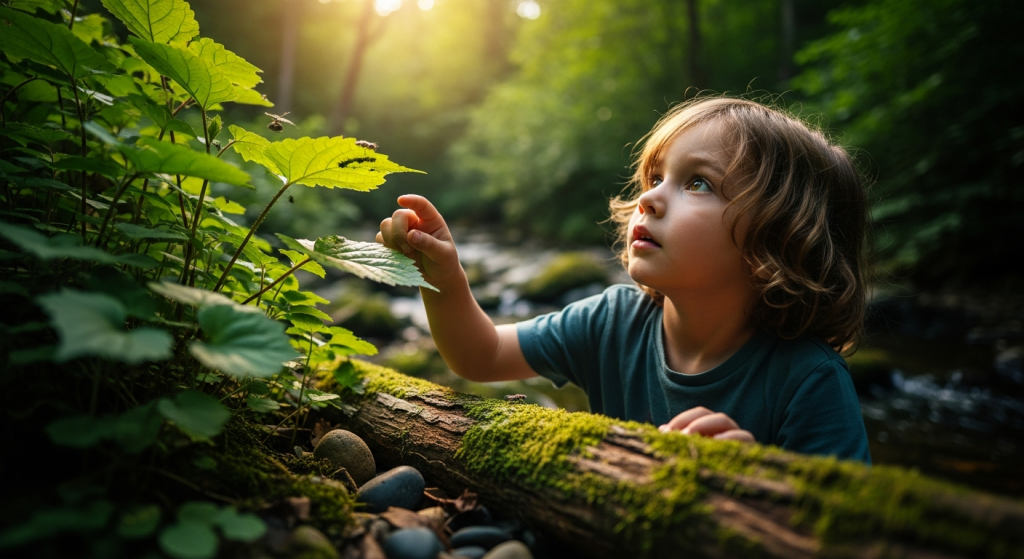
Healthy cognitive development in children is crucial. It forms the basis for lifelong learning and problem-solving skills. Therefore, understanding factors that support this development is paramount for educators, parents, and psychologists. One such powerful, yet often under-appreciated, factor is exposure to nature.
Indeed, the natural environment offers a wealth of benefits. It plays a vital role in shaping a child’s mind. This article explores the profound impact of nature exposure on childhood cognitive development. We will delve into why it matters and how it can be fostered.
The Foundational Importance of Early Cognitive Development
Childhood and adolescence represent critical periods for cognitive growth. This phase lays the groundwork for future learning and intellectual capabilities. The cognitive abilities developed during these years are essential for later academic success and life management. Therefore, nurturing this development is a shared responsibility.
The process of cognitive development is intricate. It involves numerous stages and interactions. Furthermore, it is influenced by a multitude of factors. These include natural, social, and built environments. While the impact of social and built settings is well-documented, the role of the natural environment is sometimes overlooked. However, its contribution is significant.
Nature as an Ecosystem Service for Development
Natural ecosystems provide vital services to humanity. One such service is strengthening childhood development. Interaction with nature enhances both cognitive and physical abilities in children. This is an under-appreciated aspect of ecosystem services. Consequently, its loss can have significant costs.
Depriving children of exposure to natural ecosystems can hinder their development. It can diminish their quality of life. Most child developmental psychologists understand this connection. However, it is less acknowledged by non-social scientists studying ecosystem services. The complex interplay between nature and child development is not always fully recognized.
Childhood cognitive development is a series of progressive stages. These stages involve continuous interaction with the natural environment. While no single factor determines development, certain periods are more sensitive. Specifically, the ages between 3 to 6 years are crucial for developing specific cognitive skills. The period from 7 to 12 years also remains important.

Key Theories Explaining Nature’s Cognitive Benefits
Several theories explain how nature positively impacts cognitive functions. Environmental psychology suggests nature promotes creativity and imagination. It also enhances intellectual and cognitive development. Moreover, it boosts social relationships. This is because natural environments offer unique stimuli.
Basic educational theories also highlight nature’s role. Interaction with nature deepens a child’s knowledge. It also establishes an emotional, cognitive, and spiritual connection to the world. Furthermore, it promotes a sense of belonging. This connection helps children understand their place in the broader ecosystem.
Attention Restoration Theory (ART)
Attention Restoration Theory (ART) is a key framework. It suggests natural environments engage “soft fascination.” This type of fascination is effortless. It allows directed attention, often depleted by modern life, to rest and recover. In contrast, built environments demand more effortful attention. This can lead to mental fatigue.
Therefore, nature provides a restorative effect. It helps replenish cognitive resources. This makes it easier for children to focus. It also improves their ability to learn. This is particularly relevant in today’s screen-filled world.
Stress Reduction Theory (SRT)
Stress Reduction Theory (SRT) offers another perspective. It posits that natural environments trigger positive physiological responses. These responses include reduced stress and anxiety. Lower stress levels are directly linked to improved cognitive functioning. For instance, a child who is less stressed can think more clearly.
The biophilia hypothesis also supports this. It suggests humans have an innate tendency to connect with nature. This connection is vital for well-being. When this connection is met, cognitive capacities are enhanced. Well-being is strengthened. This creates a positive feedback loop for cognitive growth.
Empirical Evidence: Nature’s Impact on Cognitive Skills
Research consistently shows positive links between nature exposure and cognitive abilities. Studies have examined various aspects of cognition. These include attention, memory, and executive functions.
Enhancing Attention and Focus
Nature interventions have shown substantial support for cognitive benefits. These benefits include improvements in selective attention and sustained attention. Working memory also sees positive impacts. For example, short-term exposure to nature can improve students’ cognitive performance.
Green spaces near schools have been linked to better cognitive development. Similarly, green views from children’s homes are beneficial. This suggests that even passive exposure to nature can have a positive effect. It can help children better manage their focus and process information. This is crucial for academic learning.
Boosting Working Memory and Executive Functions
Working memory is vital for learning and problem-solving. Nature exposure appears to enhance this capacity. Children who spend more time in nature may exhibit better working memory skills. This allows them to hold and manipulate information more effectively.
Executive functions are higher-level cognitive processes. These include planning, decision-making, and impulse control. Some research suggests nature play can foster these skills. Unobstructed play in natural settings encourages exploration. It also promotes problem-solving. These activities naturally build executive function abilities. This is especially true for nature play, which is child-directed.
Furthermore, nature interventions can vary. They can include outdoor learning, green playgrounds, and even plants in classrooms. Walks in nature and views from windows also contribute. These interventions, whether passive or active, short-term or long-term, show promise. They consistently support enhanced cognitive functioning.
The Role of Different Types of Nature Exposure
Not all nature exposure is the same. The quality and type of interaction matter. However, even simple forms can be beneficial.
Green Spaces and Views
The presence of green spaces is important. This includes parks, forests, and even gardens. Studies show that proximity to green spaces can positively influence cognitive development. For instance, green spaces near schools are associated with better cognitive outcomes in children. Likewise, views of nature from classroom windows can be restorative. This suggests that integrating nature into the child’s immediate environment is key.
Active Engagement vs. Passive Observation
Active engagement with nature often yields greater benefits. This involves playing, exploring, and learning in natural settings. Activities like gardening, building forts, or observing wildlife encourage sensory engagement. They also promote physical activity. This holistic engagement stimulates various cognitive processes.
However, passive observation also has value. Simply seeing trees from a window can reduce stress. It can also improve mood. Both active and passive forms of nature exposure contribute to cognitive well-being. Therefore, a balanced approach is ideal.
Nature’s Impact on Social-Emotional Development
Cognitive development is closely intertwined with social-emotional growth. Nature plays a role here too. Interactions in natural settings often foster cooperation. They also encourage empathy and communication. Children learn to navigate social situations in a less structured environment. This can build confidence and social skills.
Moreover, nature can be a source of wonder and awe. This can foster emotional regulation. It can also promote a sense of connection to something larger than oneself. This contributes to overall well-being. This, in turn, supports better cognitive function. For more on fostering resilience, you might find the science of resilience an interesting read.
Addressing Challenges and Promoting Nature Exposure
Despite the clear benefits, children today often have less access to nature. Modern lifestyles, urbanization, and increased screen time contribute to this. This trend is concerning. It can lead to negative health outcomes. These include increased rates of childhood obesity and attention disorders. Some even suggest it might be the first generation with a shorter lifespan than their parents.
Therefore, proactive efforts are needed. Educators and parents must prioritize nature exposure. This can be achieved through various means. Schools can incorporate outdoor learning. They can also create green play areas. Parents can encourage outdoor play. Simple activities like park visits or nature walks are valuable.
The Role of Schools and Educators
Schools are well-positioned to provide nature experiences. They can integrate environmental education into the curriculum. This can involve nature-based learning activities. Creating school gardens or outdoor classrooms can be highly effective. These settings offer opportunities for hands-on learning. They also provide a much-needed break from indoor environments.
Outdoor learning can relieve cognitive overload. It can reduce stress and improve well-being. This, in turn, optimizes learning. Schools can thus become hubs for ‘green’ educational settings. They can help children reconnect with the natural world. This fosters both cognitive and emotional growth.
Parental Involvement and Community Initiatives
Parents play a crucial role. They can facilitate regular nature play. Encouraging unstructured outdoor time is vital. This allows children to explore and discover at their own pace. Community initiatives can also help. These include creating accessible green spaces. They can also involve nature-based programs for families.
Fostering a positive regard for the environment starts young. Early childhood environmental education is key. It encompasses knowledge, emotions, and skills. It helps children develop a caring attitude towards nature. This holistic approach benefits their development immensely.
Conclusion: Embracing Nature for a Brighter Future
The evidence is clear. Exposure to nature is not just a pleasant pastime. It is a fundamental component of healthy childhood cognitive development. It enhances attention, memory, and executive functions. It also supports social-emotional growth. Therefore, prioritizing nature experiences is essential.
By integrating nature into children’s lives, we invest in their future. We equip them with the cognitive tools needed to thrive. Educators, parents, and psychologists must work together. They must champion the cause of nature-based learning. This will ensure children develop into capable, well-rounded individuals. The benefits extend beyond the individual child. They contribute to a healthier, more connected society. For a deeper understanding of how our environment shapes us, consider exploring epigenetics.
Frequently Asked Questions
How much time in nature is recommended for children?
While specific recommendations vary, experts suggest frequent and regular exposure. Even short, consistent periods can be beneficial. Aiming for daily outdoor play and incorporating nature into learning activities is ideal. For instance, a walk in a park or time spent in a backyard with natural elements counts.
Can urban children still benefit from nature exposure?
Absolutely. Even in urban environments, opportunities exist. Pocket parks, green rooftops, indoor plants, and nature views from windows can all contribute. Creating or visiting community gardens also offers benefits. The key is to actively seek out and utilize these green pockets.
What are the main cognitive skills improved by nature exposure?
The primary cognitive skills enhanced include selective attention, sustained attention, and working memory. Furthermore, nature exposure supports the development of executive functions like planning and impulse control. It also fosters creativity and problem-solving abilities.
Are there specific age groups that benefit most from nature exposure?
While beneficial for all ages, certain periods are particularly sensitive. The ages of 3 to 6 years are critical for developing foundational cognitive skills. The period from 7 to 12 years also remains important for further cognitive refinement. However, the restorative benefits of nature are valuable throughout childhood and adolescence.
How can parents encourage more nature interaction for their children?
Parents can lead by example, enjoying nature themselves. They can plan family outings to parks, trails, or nature reserves. Encouraging unstructured play in natural settings is crucial. Even simple activities like collecting leaves or observing insects can be engaging. Making time for nature should be a priority.
