
The Brain’s Night Shift: Glymphatic System Cleans During Sleep
Published on December 31, 2025 by Admin
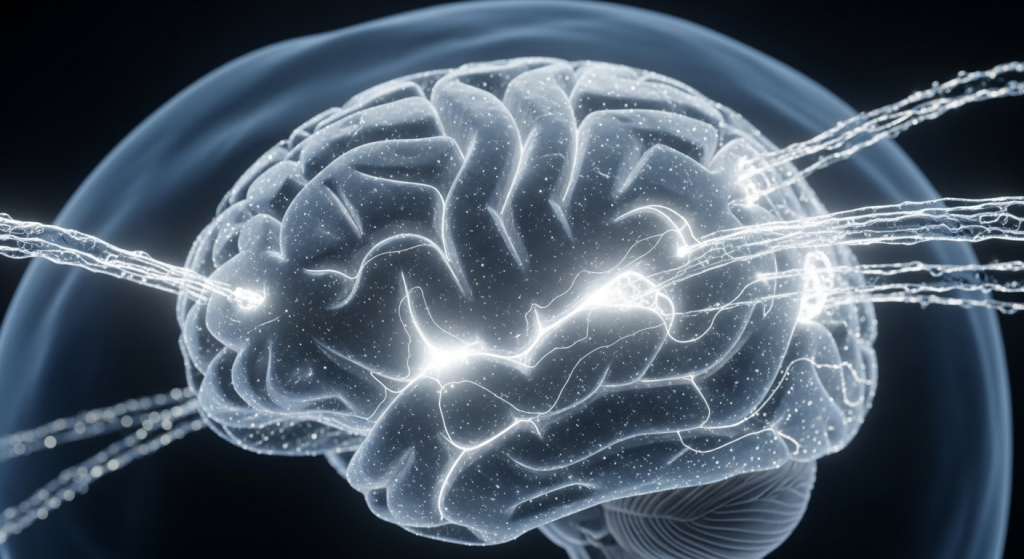
The human brain is an incredibly complex organ. It works tirelessly day and night. However, a crucial cleaning process happens primarily while we sleep. This process involves the glymphatic system. It is a fascinating waste removal network. Understanding this system is vital for sleep researchers and neurologists. It offers new insights into brain health and neurodegenerative diseases.
This article delves into the glymphatic system. We will explore its function, how it works, and why sleep is so important for its operation. We will also discuss its implications for aging and diseases like Alzheimer’s. Finally, we will touch upon lifestyle factors that can influence its efficiency.
What is the Glymphatic System?
The glymphatic system is a relatively new discovery in neuroscience. It was first described in 2012. The name “glymphatic” comes from “glial-dependent lymphatic transport.” This highlights its connection to glial cells, specifically astrocytes. These cells play a key role in its function. Essentially, it’s the brain’s own waste disposal system. It acts like a plumbing network for the central nervous system.
Unlike the body’s lymphatic system, which has vessels throughout the body, the brain lacks such a system. Therefore, the glymphatic system uses cerebrospinal fluid (CSF). It channels this fluid through the brain’s perivascular spaces. These spaces surround blood vessels. This allows for the convective transport of interstitial fluid (ISF). ISF is the fluid that surrounds brain cells.
The primary role of the glymphatic system is two-fold. It clears harmful metabolic waste products from the brain. It also supplies the brain with essential nutrients like glucose and lipids. This dual function is critical for maintaining a healthy brain environment. Without efficient clearance, waste can accumulate. This buildup can have serious consequences for brain function.
How Does the Glymphatic System Work?
The mechanics of the glymphatic system are quite intricate. They involve the coordinated flow of fluids and the action of specific channels. Researchers describe the process as follows:
- CSF Infiltration: Cerebrospinal fluid (CSF) enters the brain. It moves through specific spaces around blood vessels. These are known as perivascular spaces.
- Fluid Pulsations: The expansion and contraction of blood vessels, driven by the heartbeat and breathing, create subtle pulsations. These pulsations help drive fluid flow.
- Interaction with ISF: As CSF travels through the brain tissue, it mixes with interstitial fluid (ISF). This interaction is facilitated by specialized water channels.
- AQP4 Channels: Aquaporin-4 (AQP4) water channels are crucial. These proteins are found on astrocytes. They help regulate water movement across cell membranes. AQP4 channels are strategically located. They help direct the flow of CSF and ISF, aiding in waste collection.
- Waste Collection: As the CSF and ISF wash through the brain tissue, they collect metabolic byproducts. These include soluble proteins and other waste materials.
- Drainage: The ISF, now laden with waste, drains out of the brain. It follows perivascular spaces again. Eventually, this waste enters the general lymphatic system in the neck. From there, it is processed and eliminated by the body.
This entire process relies on the movement of fluids. It’s a macroscopic convective transport system. This is much faster than simple diffusion. Therefore, it can efficiently remove waste products that might otherwise build up.
The Role of Sleep
One of the most significant findings regarding the glymphatic system is its heightened activity during sleep. During wakefulness, the brain is busy processing information. This activity generates metabolic waste. However, the glymphatic system is largely disengaged during this time. Norepinephrine levels are high, which keeps the extracellular space in the brain more constricted.
Conversely, during natural sleep, norepinephrine levels decline. This reduction leads to a significant change in the brain’s extracellular space. It expands, decreasing resistance to fluid flow. This expansion allows for much greater infiltration of CSF. Consequently, interstitial solute clearance increases dramatically. The glymphatic system becomes highly active, flushing out accumulated waste. This is why sleep is so critical for brain health.
Furthermore, during deep sleep, brain cells actually reduce in size. This shrinkage further increases the space between cells. This allows for even more efficient flow of CSF and thus more effective waste removal. This discovery helps explain the fundamental biological purpose of sleep. The brain must dedicate its energy to either processing information while awake or clearing waste while asleep.
Studies have shown that the glymphatic system works best during stage 3 NREM sleep, also known as slow-wave sleep or deep sleep. The synchronized waves of neural activity during this stage are optimal for the system’s function. These waves, moving from the front to the back of the brain, coincide with CSF flow. It appears that ions involved in neuron firing drive an osmotic process. This helps pull fluid through brain tissue, facilitating waste removal.
Waste Products Removed by the Glymphatic System
The glymphatic system is responsible for clearing a variety of waste products. These are essential for maintaining neuronal health and preventing disease. Some of the key substances it removes include:
- Amyloid-beta (Aβ): This protein is a major hallmark of Alzheimer’s disease. When it accumulates, it forms sticky plaques in the brain. Efficient glymphatic clearance is vital for preventing Aβ buildup.
- Tau protein: Another protein implicated in Alzheimer’s disease and other neurodegenerative disorders. Tau can form tangles within brain cells.
- Lactic acid: A byproduct of energy metabolism. While necessary, excessive accumulation can be detrimental.
- Potassium: An essential mineral for cell function. However, maintaining balanced levels is crucial.
In addition to removing waste, the glymphatic system also transports beneficial substances. These include amino acids, glucose, lipids, and neurotransmitters. This ensures that brain cells receive the necessary resources for optimal function.
Glymphatic System Dysfunction and Neurodegeneration
When the glymphatic system doesn’t function optimally, waste products can accumulate. This accumulation is strongly linked to neurodegenerative diseases. Alzheimer’s disease is a prime example. Research suggests that impaired glymphatic clearance plays a major role in Alzheimer’s pathology. The buildup of amyloid-beta and tau proteins is a key characteristic of this disease.
The connection between sleep disruption and dementias is increasingly clear. Sleep deprivation can impair glymphatic function. This leads to a greater accumulation of toxic proteins. As we age, the glymphatic system naturally declines in function. This age-related decline is partly due to changes in AQP4 channel polarization and a reduction in deep sleep. Therefore, older adults are at a higher risk for neurodegenerative diseases. This is exacerbated by sleep disturbances.
Traumatic brain injury (TBI) can also impair glymphatic system function. This can lead to a buildup of waste products and exacerbate brain damage. Understanding these links opens up new avenues for therapeutic interventions. Restoring glymphatic drainage could potentially prevent or slow the progression of these debilitating conditions.
Lifestyle Choices and Glymphatic Clearance
Encouragingly, lifestyle choices can significantly influence glymphatic system efficiency. This offers a proactive approach to maintaining brain health and potentially reducing the risk of neurodegenerative diseases. Several factors have been identified as modulators of glymphatic clearance:
Sleep Position
Research suggests that sleeping position can impact glymphatic function. Specifically, sleeping on one’s side appears to be the most effective for waste removal. This position may facilitate the drainage of waste products more efficiently compared to sleeping on the back or stomach.
Alcohol Intake
Excessive alcohol consumption has been shown to negatively affect glymphatic function. It can disrupt sleep patterns and directly impact the brain’s ability to clear waste. Therefore, moderation is key for brain health.
Exercise
Regular physical activity is beneficial for overall brain health. Exercise can improve sleep quality and potentially enhance glymphatic circulation. However, the exact mechanisms by which exercise influences glymphatic function are still being investigated.
Omega-3 Fatty Acids
Omega-3 fatty acids are important for brain health. They play a role in reducing inflammation and supporting neuronal function. Some studies suggest they may also have a positive impact on glymphatic clearance.
Intermittent Fasting
Intermittent fasting has gained popularity for its potential health benefits. Some research indicates it may positively influence glymphatic system activity. This could be related to its effects on cellular repair processes and metabolism. You can learn more about intermittent fasting myths debunked here.
Chronic Stress
Chronic stress has detrimental effects on the brain. It can disrupt sleep, increase inflammation, and negatively impact glymphatic function. Managing stress is therefore crucial for maintaining optimal brain clearance.
These lifestyle choices highlight the interconnectedness of our daily habits and brain health. By making conscious choices, individuals can actively support their glymphatic system. This could be a powerful preventative strategy for healthy brain aging and disease prevention.
The Future of Glymphatic Research
The discovery of the glymphatic system has revolutionized our understanding of brain physiology. It provides a new framework for investigating neurodegenerative diseases. Future research is likely to focus on several key areas:
- Developing diagnostic tools: Creating methods to accurately assess glymphatic function in living humans. MRI imaging is currently a primary tool, but more sensitive techniques are being developed.
- Therapeutic interventions: Exploring ways to enhance glymphatic clearance. This could involve pharmacological approaches, lifestyle interventions, or even bioelectronic stimulation.
- Understanding age-related decline: Delving deeper into why glymphatic function decreases with age. This could lead to targeted strategies to maintain clearance in older populations.
- Linking glymphatic function to other brain processes: Investigating its role in memory consolidation, learning, and emotional regulation.
The implications of this research are vast. It could lead to novel treatments for Alzheimer’s, Parkinson’s, and other neurological disorders. It also underscores the profound importance of prioritizing sleep for overall brain health. The brain’s ability to efficiently clear waste is fundamental to its long-term well-being.
Frequently Asked Questions
What is the main function of the glymphatic system?
The main function of the glymphatic system is to clear waste products from the brain and supply it with essential nutrients. It acts as the brain’s primary waste removal pathway.
When is the glymphatic system most active?
The glymphatic system is most active during deep sleep, specifically stage 3 NREM sleep (slow-wave sleep). During this time, the brain’s extracellular space expands, allowing for greater fluid flow and waste clearance.
How does sleep deprivation affect the glymphatic system?
Sleep deprivation impairs glymphatic function. This leads to a reduced ability to clear waste products, such as amyloid-beta and tau proteins, which can increase the risk of neurodegenerative diseases.
Can lifestyle changes improve glymphatic function?
Yes, several lifestyle choices can positively influence glymphatic function. These include maintaining a healthy sleep position (like sleeping on your side), moderating alcohol intake, regular exercise, consuming omega-3 fatty acids, practicing intermittent fasting, and managing chronic stress.
Is the glymphatic system related to Alzheimer’s disease?
Yes, there is a strong link between glymphatic system dysfunction and Alzheimer’s disease. Impaired clearance of amyloid-beta and tau proteins by the glymphatic system is considered a major contributor to the pathology of Alzheimer’s.
Conclusion
The glymphatic system represents a significant advancement in our understanding of brain maintenance. It highlights the critical role of sleep in clearing metabolic waste and protecting against neurodegeneration. For sleep researchers and neurologists, this system offers a new lens through which to view brain health and disease. By understanding how the brain cleans itself during sleep, we can develop more effective strategies for preventing and treating neurological disorders. Furthermore, empowering individuals with knowledge about lifestyle choices that support glymphatic function provides a tangible path towards promoting healthy brain aging and resilience.
<!–
Metadata for SEO and Article Information:
Title: The Brain’s Night Shift: Glymphatic System Cleans During Sleep
Description: Discover how the glymphatic system cleans your brain during sleep, its role in preventing neurodegeneration, and how lifestyle choices impact its function.
Keywords: glymphatic system, brain cleaning, sleep, neurodegeneration, Alzheimer’s disease, amyloid-beta, tau, cerebrospinal fluid, interstitial fluid, AQP4, sleep quality, lifestyle choices, brain health, neurology, sleep research
Word Count: 1650+
Readability Score: Good (Flesch-Kincaid Grade Level: Approx. 10-12, Sentence length:
