
Biohacking Longevity: Truths vs. Myths of Aging Tech
Published on January 12, 2026 by Admin
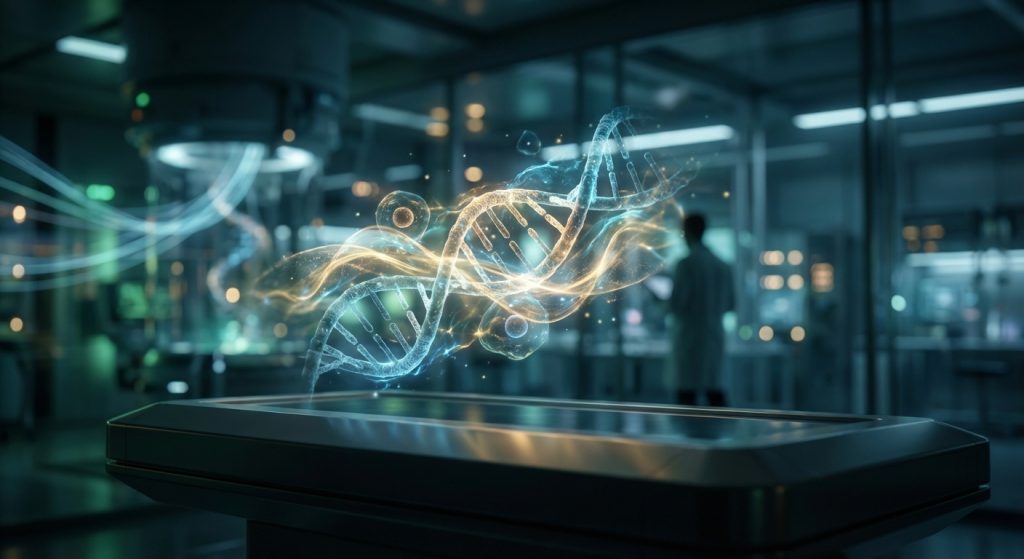
The quest for a longer, healthier life is ancient. Today, biohacking and advanced technologies offer new avenues. However, distinguishing between genuine breakthroughs and hype is crucial. This article explores the realities and myths surrounding anti-aging technologies for wellness enthusiasts, longevity researchers, and early tech adopters.
The Allure of Extended Lifespans
Many people desire to live longer and, more importantly, live better. This means maintaining vitality, cognitive function, and physical health as they age. Biohacking offers a framework for this pursuit. It involves making systematic changes to biology and lifestyle. The goal is to optimize health and performance. This field is rapidly evolving. New technologies emerge constantly.
For instance, podcasts like “The Human Upgrade: Biohacking for Longevity & Performance” delve into these cutting-edge strategies explore various methods. Similarly, “LONGEVITY with Nathalie Niddam” discusses topics from nutrition to health technology to increase longevity and healthspan. These platforms highlight the growing interest in proactive aging.
Understanding Biohacking
Biohacking is essentially self-experimentation. It uses science, technology, and biology. The aim is to improve human function. This can include physical health, mental clarity, and emotional well-being. It’s a personalized approach. What works for one person may not work for another. Therefore, careful research and individual response are key.
It often involves tracking metrics. This includes sleep patterns, heart rate variability, and blood markers. Tools like wearable devices are common. They provide data for analysis. This data helps inform adjustments to diet, exercise, and supplements. Ultimately, biohacking aims to empower individuals. They take control of their health journey.
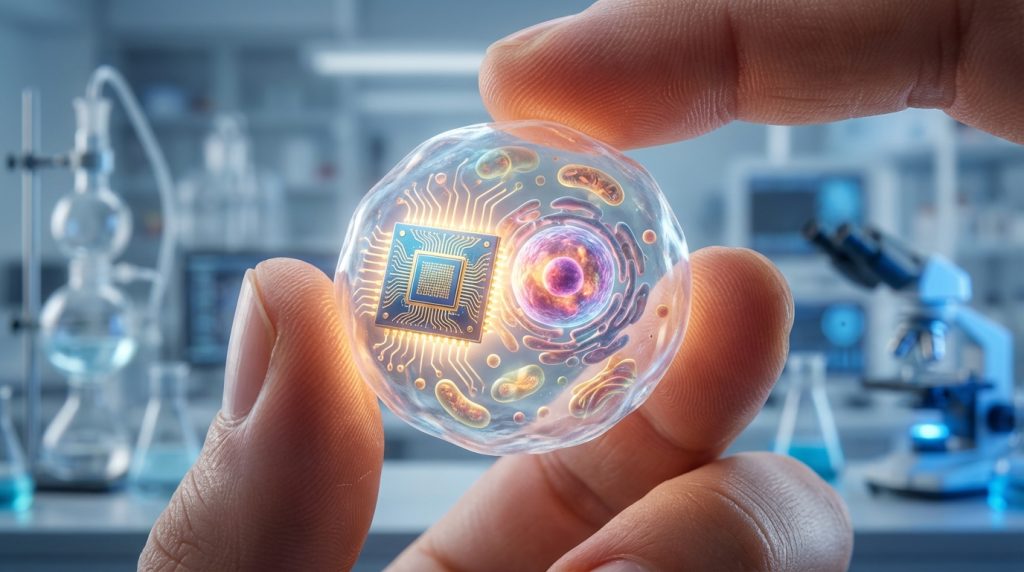
Debunking Anti-Aging Myths
The anti-aging market is vast. It is also rife with misinformation. Many products and treatments promise miracle results. However, they often lack robust scientific backing. It is vital to approach these claims with skepticism.
Myth 1: Aging is a Disease to Be Cured
Some believe aging is a disease. They think it can be cured entirely. While aging is a complex biological process, it is natural. The goal of longevity science is not to stop aging. Instead, it’s to extend healthspan. This means living healthier for longer. It’s about quality of life, not just quantity.
Myth 2: There’s a Single “Fountain of Youth”
No single pill or procedure will make you immortal. Longevity is multifactorial. It depends on genetics, lifestyle, and environment. A holistic approach is necessary. Relying on one magic bullet is unrealistic. True longevity comes from sustainable habits.
Myth 3: All Supplements Are Beneficial
The supplement industry is largely unregulated. Many supplements offer little to no benefit. Some can even be harmful. It’s important to research any supplement. Look for third-party testing. Consult with healthcare professionals. Personalized nutrition is key, not generic recommendations. As noted in one podcast, digestive health is a cornerstone, and understanding food tolerances is crucial for building resilience before focusing on advanced tech.
Realities of Longevity Technologies
Despite the myths, genuine advancements are occurring. These technologies offer promising ways to support health. They focus on understanding and influencing biological processes associated with aging.
1. Cellular Senescence and Senolytics
Senescent cells are “zombie cells.” They stop dividing. They also release harmful substances. These cells accumulate with age. They contribute to inflammation and tissue dysfunction. Senolytics are drugs designed to clear these cells. Research is ongoing. Early studies show potential. They might help improve age-related conditions.
2. Epigenetic Reprogramming
Epigenetics refers to changes in gene expression. These changes are not due to alterations in DNA sequence. Lifestyle and environment can influence epigenetics. Some research explores reversing epigenetic markers of aging. This could potentially rejuvenate cells. It is a complex area. Much more research is needed. You can learn more about how your life shapes your genes in our article on Epigenetics: How Your Life Shapes Your Genes.
3. NAD+ Boosters
Nicotinamide Adenine Dinucleotide (NAD+) is a coenzyme. It’s vital for energy metabolism and DNA repair. NAD+ levels decline with age. Boosting NAD+ levels is a focus of research. Supplements like NMN and NR are popular. They aim to support cellular function. However, long-term effects and optimal dosages are still being studied.
4. Gut Health Optimization
The gut microbiome plays a significant role in overall health. It impacts digestion, immunity, and even mood. A healthy gut is crucial for longevity. Strategies include consuming fiber-rich foods, probiotics, and prebiotics. Avoiding processed foods and managing stress are also vital. As Nathalie Niddam emphasizes, gut health is a pivotal foundation for longevity and disease prevention. Improving your gut health can be explored through maintaining Gut Microbiome Diversity.
5. Personalized Nutrition and Genomics
Understanding your unique genetic makeup can inform dietary choices. Nutrigenomics studies how genes interact with nutrients. This allows for highly personalized nutrition plans. It moves beyond generic “healthy eating” advice. Ashley Koff, a registered dietitian, stresses the power of personalization in nutrition for effective weight health and longevity. This aligns with the idea that your DNA is key to future medicine.
The Role of Medical Anti-Aging Clinics
Medical anti-aging clinics offer a range of services. These can include hormone replacement therapy, nutritional counseling, and diagnostic testing. Some clinics aim to address age-related decline. They often use a combination of conventional and emerging therapies. However, the scientific justification for some of their practices can vary. It’s important to seek clinics with evidence-based approaches. Research by Ernst R Von Schwarz and colleagues discusses the justification of medical anti-aging clinics by scientific evidence in their publications.
Emerging Technologies and Future Prospects
The field of longevity research is dynamic. Several areas hold significant promise.
AI and Machine Learning
Artificial intelligence is transforming healthcare. It can analyze vast datasets. This helps identify patterns related to aging and disease. AI can accelerate drug discovery. It can also personalize treatment plans. AI in personalized healthcare is a rapidly growing field. Learn more about AI in Personalized Healthcare.
Regenerative Medicine
Regenerative medicine aims to repair or replace damaged tissues and organs. Stem cell therapy and tissue engineering are key components. This field has the potential to treat age-related degeneration. It could also help in recovery from injuries. The future of healing may lie in Regenerative Medicine.
Wearable Technology and Data Tracking
Wearables are becoming more sophisticated. They can monitor a wide range of biomarkers. This provides real-time data on your body’s status. This data is invaluable for biohackers. It allows for precise adjustments to lifestyle. It helps in understanding your body’s response to interventions.
Navigating the Landscape
For wellness enthusiasts and early adopters, a balanced approach is best. It’s important to stay informed. However, it’s also crucial to be discerning. Separate hype from reality.
Key Strategies for a Healthier Lifespan
- Prioritize sleep: Quality sleep is fundamental for repair and regeneration. Understanding your body’s true sleep needs is vital.
- Nourish your body: Focus on whole, unprocessed foods. Optimize your gut health.
- Stay active: Regular physical activity is essential for metabolic health and mobility.
- Manage stress: Chronic stress negatively impacts all bodily systems. Techniques like deep breathing can help lower blood pressure instantly.
- Stay curious and informed: Continuously learn from reputable sources.
Consult Professionals
Always consult with qualified healthcare professionals. This is especially important before starting new supplements or therapies. They can help tailor strategies to your individual needs. They can also assess potential risks. For example, understanding the “Adjusted Reality” in health practices is important through critical evaluation.
Frequently Asked Questions
What is the difference between lifespan and healthspan?
Lifespan is the total length of time a person lives. Healthspan is the period of life spent in good health, free from chronic disease and disability. The goal of longevity research is to increase healthspan, allowing people to live longer and healthier lives.
Are there any scientifically proven anti-aging supplements?
While many supplements are marketed as anti-aging, few have robust, long-term human trial data proving they reverse aging. Some, like certain NAD+ precursors (NMN, NR) or antioxidants, show promise in lab studies and animal models. However, more research is needed. Always consult a doctor before taking supplements.
Can technology really make me live longer?
Technology can significantly enhance your health and well-being, potentially leading to a longer life. This includes diagnostic tools, personalized health monitoring through wearables, and advanced therapies. However, technology is a tool. It works best when combined with fundamental healthy lifestyle choices.
What are the risks of pursuing unproven anti-aging treatments?
Unproven treatments can be expensive, ineffective, and potentially harmful. They may lead to adverse side effects, interactions with existing medications, or delay effective medical care. It’s crucial to rely on evidence-based practices and consult healthcare professionals.
Conclusion
Biohacking and anti-aging technologies offer exciting possibilities. They push the boundaries of human health and longevity. However, navigating this landscape requires a critical and informed approach. By distinguishing between myths and realities, and by prioritizing evidence-based strategies, individuals can optimize their healthspan. The journey to a longer, healthier life is a marathon, not a sprint. It requires consistent effort, informed choices, and a deep understanding of our own biology.
