
Your gut is home to trillions of microbes. These tiny organisms play a huge role in your health. They influence your immune system and even your mental state. Understanding this connection is key to overall well-being.
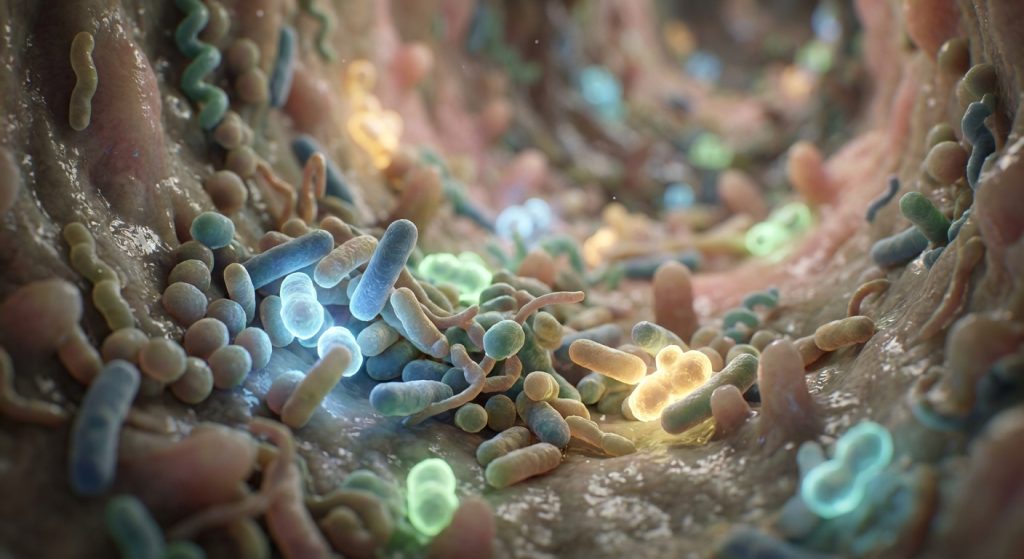
This complex ecosystem within you is known as the gut microbiome. It’s like an internal garden. A balanced garden has many different plants. Similarly, a healthy gut has a diverse mix of bacteria. This balance is crucial for good health.
The Gut-Brain Connection: A Two-Way Street
The gut and the brain are closely linked. This connection is often called the gut-brain axis. It works in two directions. Your gut microbes can send signals to your brain. Your brain also influences how your gut functions.
A balanced gut microbiome is vital for normal brain activity. It helps regulate your emotions. Conversely, your central nervous system controls much of your digestive system’s work. When this pathway is disrupted, health problems can arise. These can affect both your brain and your gut.
Research shows that disruptions in this bidirectional pathway can lead to neurological and gastrointestinal diseases. Therefore, maintaining a healthy gut is essential for both physical and mental health.
Gut Health and Your Immune System
Your gut is a major powerhouse for your immune system. In fact, a significant portion of your body’s immunity resides here. It acts as a frontline defender. It protects you from harmful pathogens that can cause illness.
When your gut is unhealthy, it can become a breeding ground for inflammation. Inflammation is linked to many diseases. These include conditions like diabetes and inflammatory bowel disease (IBD). A healthy gut forms a strong barrier. This barrier prevents pathogens from entering your bloodstream. When this barrier is weak, problems can start.
Probiotics are beneficial bacteria. They can help strengthen this protective gut barrier. Gut bacteria can even move beyond the digestive tract. They can influence immunity throughout your entire body. Furthermore, the fermentation process in the gut produces short-chain fatty acids (SCFAs). These compounds help regulate immune cells.
The link between inflammation and disease is clear. From heart issues and diabetes to cognitive problems and depression, inflammation plays a role. A healthy gut can help prevent many of these conditions. Conversely, an imbalanced gut can worsen inflammation. This can negatively impact various aspects of your health, including your skin.
How Gut Bacteria Influence Mental Health
The gut microbiome’s influence extends to your mental well-being. Gut bacteria produce neurotransmitters. These are chemical messengers that affect mood and behavior. For instance, serotonin, a key mood regulator, is largely produced in the gut.
An imbalance in gut bacteria, known as dysbiosis, can affect mental health. It is linked to conditions like anxiety and depression. For example, changes in gut bacteria can alter the production of neurotransmitters. This can lead to altered emotional responses. Stress also significantly impacts the gut microbiome. The stress response affects various bodily systems.
Moreover, the gut microbiome plays a role in brain development. Early life microbial exposure can shape brain function. This can have long-lasting effects on mental health throughout life. Understanding these connections can lead to new strategies for managing mental health conditions.
Recognizing Signs of Gut Imbalance
Your gut often signals when something is off. Common digestive issues like gas, bloating, and abdominal discomfort are clear indicators. However, gut problems can manifest in non-digestive ways too.
You might experience muddled thinking. Erratic sleep patterns can occur. Skin concerns like acne or eczema can be linked to gut health. Unexpected weight fluctuations might also point to an underlying gut issue. These are more than just minor annoyances; they are warning signs from your body.
Symptoms like diarrhea, constipation, and acid reflux are telltale signs of an imbalanced gut. As we learn more about the microbiome, its impact on weight, cardiovascular health, and skin becomes clearer.
Nurturing Your Gut Microbiome
Just like a garden needs care, your microbiome requires attention. Dietary choices are paramount in fostering a healthy gut. Eating a diverse range of nutrient-rich foods supports a thriving microbiome.
Key Strategies for a Healthy Gut:
- Dietary Fiber: Include plenty of fruits, vegetables, and whole grains. Fiber acts as food for beneficial gut bacteria.
- Fermented Foods: Incorporate foods like yogurt, kefir, sauerkraut, and kimchi. These contain live beneficial bacteria.
- Probiotics and Prebiotics: Consider probiotic supplements to introduce beneficial bacteria. Prebiotics feed the good bacteria already in your gut.
- Limit Processed Foods: Minimize intake of sugar, artificial sweeteners, and highly processed items. These can negatively impact microbial balance.
- Stay Hydrated: Adequate water intake is essential for overall digestive health.
- Manage Stress: Chronic stress can disrupt the gut microbiome. Techniques like mindfulness and meditation can help.
- Adequate Sleep: Good sleep is crucial for gut health. Aim for 7-9 hours per night.
By making conscious lifestyle choices, you can cultivate a flourishing gut microbiome. This, in turn, supports overall physical and mental well-being. Exploring ways to improve your gut health can be a significant step toward unlocking your health potential.
The Gut as an Immunity Fortress
Your gut truly is an immunity fortress. A staggering 80% of your immune system resides in the gut. This makes a healthy gut essential for overall wellness. It stands guard against invading pathogens.
An unhealthy gut can lead to widespread inflammation. This inflammation is a key factor in many chronic diseases. A balanced gut maintains a robust cellular barrier. This barrier prevents harmful substances from entering your system. When this barrier is compromised, it can trigger systemic inflammation.
The gut’s protective role extends beyond digestion. Gut bacteria can influence immune responses throughout the body. This highlights the interconnectedness of your internal systems.
Gut Health and Beyond: Holistic Well-being
The health of your gut is deeply intertwined with your overall well-being. It influences more than just digestion. It plays a role in hormone regulation and brain-nerve communication. Optimal gut health is a cornerstone for improved sleep, enhanced mood, and a robust cardiovascular system.
Research continues to reveal the gut’s profound impact. It affects immunity, weight management, mental state, and skin health. The gut is often referred to as the “second brain” for good reason. Its influence is far-reaching.
For those interested in optimizing their health, focusing on gut health is a powerful strategy. Improving gut diversity can unlock significant health benefits. You can learn more about gut microbiome diversity and how to improve it.
Frequently Asked Questions
What is the gut microbiome?
The gut microbiome is the collection of trillions of microorganisms, including bacteria, viruses, and fungi, that live in your digestive tract.
How does the gut microbiome affect immunity?
A large portion of the immune system is located in the gut. The microbiome helps train immune cells, maintains the gut barrier, and defends against pathogens. An imbalance can lead to inflammation and increased susceptibility to illness.
Can gut bacteria influence mood and mental health?
Yes, the gut-brain axis connects the gut and brain. Gut microbes produce neurotransmitters that affect mood and behavior. Imbalances are linked to conditions like anxiety and depression.
What are the signs of an unhealthy gut?
Signs include digestive issues like bloating and constipation, but also non-digestive symptoms like fatigue, skin problems, muddled thinking, and sleep disturbances.
How can I improve my gut health?
Key strategies include eating a fiber-rich diet, consuming fermented foods, managing stress, getting enough sleep, and considering probiotic and prebiotic supplements.
Is there a link between gut health and weight management?
Yes, gut bacteria can influence appetite regulation and metabolism. An imbalanced microbiome may contribute to weight gain.
Conclusion
Your gut microbiome is a dynamic ecosystem. It plays a critical role in your physical and mental health. By nurturing your gut with a balanced diet and healthy lifestyle choices, you can support a robust immune system and a clear, resilient mind. The connection between your internal microbial world and your overall well-being is profound and continues to be a rapidly evolving area of scientific discovery.