
Advanced Vet Surgery: Minimally Invasive Techniques for Pets
Published on January 12, 2026 by Admin
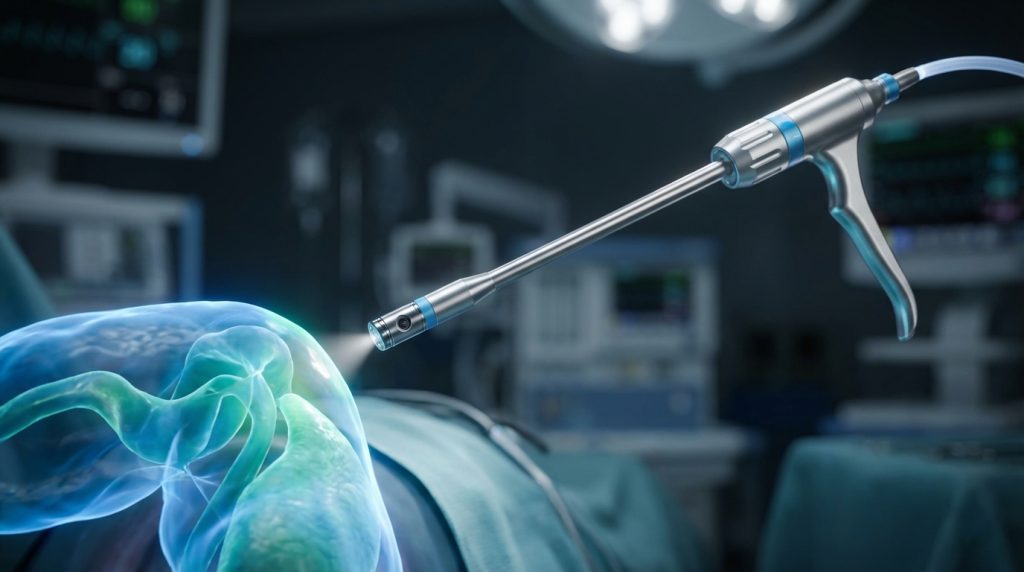
The world of veterinary medicine is constantly evolving. This progress brings exciting new options for our beloved pets. Advanced veterinary surgery is no exception. Many procedures are now less invasive. This means faster recovery and less pain for our animal companions. Pet parents, veterinarians, and surgical techs all benefit from these advancements.
Minimally invasive surgery is a game-changer. It uses smaller incisions. It also uses specialized instruments. This approach is transforming how we treat many conditions. It offers significant advantages over traditional open surgery.
What is Minimally Invasive Veterinary Surgery?
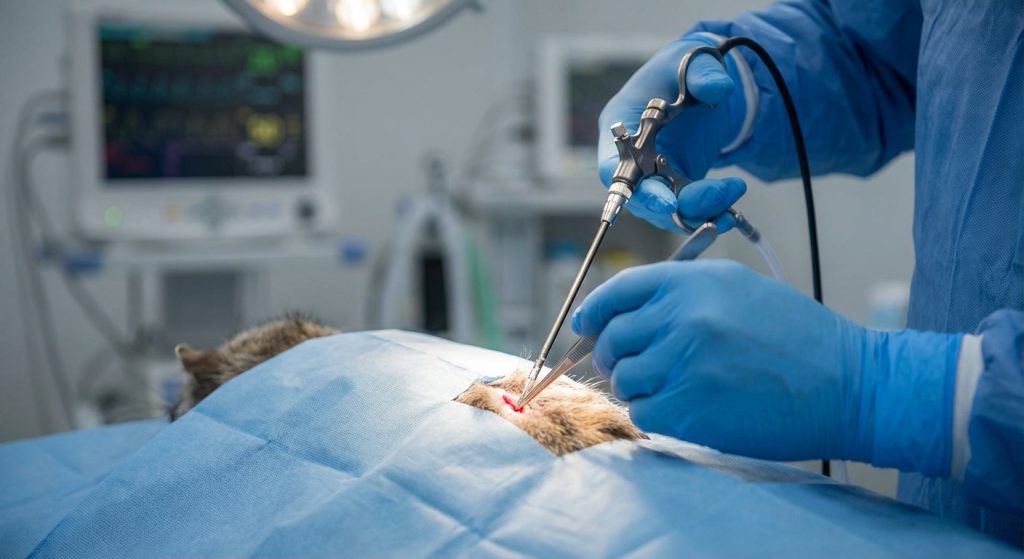
Minimally invasive surgery, often called MIS, is a modern surgical approach. Instead of one large cut, it uses several tiny ones. These small incisions are usually less than an inch long. Through these openings, surgeons insert specialized tools. These include cameras and tiny surgical instruments. The camera provides a magnified, high-definition view of the surgical site on a monitor. This allows for great precision.
This technique is also known by other names. You might hear terms like laparoscopic surgery or keyhole surgery. Arthroscopic surgery is another related method. It is used specifically for joints.
Key Technologies in MIS
Several key technologies enable MIS. These are crucial for its success. Firstly, advanced imaging systems are vital. High-definition cameras and monitors are essential. They provide surgeons with a clear, magnified view. Secondly, specialized instruments are used. These are long and slender. They allow surgeons to operate through small ports. Finally, energy devices are often employed. These can cut tissue and control bleeding simultaneously. Therefore, they minimize blood loss.
These tools work together. They allow for complex procedures. They do so with minimal disruption to the patient’s body. This is a significant improvement.
Benefits for Pet Parents
For pet owners, the benefits of MIS are substantial. The most immediate advantage is often reduced pain. Smaller incisions mean less tissue trauma. As a result, pets experience less discomfort post-surgery. This leads to a smoother recovery period.
Furthermore, recovery time is typically shorter. Because there is less tissue damage, pets can often return to normal activities much sooner. This means less time away from their beloved families. Additionally, the risk of infection is generally lower. Smaller wounds are easier to keep clean. Therefore, complications are less likely.
Cosmetically, the results are often better. The tiny incisions leave minimal scarring. This is a welcome outcome for many owners.
Advantages for Veterinarians and Surgical Techs
Veterinary professionals also see significant advantages. For surgeons, MIS can offer enhanced visualization. The magnified view allows for greater precision. This is especially true in delicate areas. It can also improve ergonomics. Operating with instruments while viewing a screen can be more comfortable. It reduces strain during long procedures.
Surgical technicians play a crucial role. They must be proficient in managing specialized equipment. This includes setting up cameras, light sources, and instruments. They also assist the surgeon with instrument exchanges. Therefore, training and skill development are ongoing.
Moreover, MIS can reduce the physical demands on surgical staff. Less blood loss means less cleanup. It can also lead to shorter surgery times for certain procedures. This is a significant benefit for the entire surgical team.
Common Minimally Invasive Procedures in Veterinary Medicine
A growing number of procedures can now be performed using MIS techniques. This is a testament to technological advancements. For example, many abdominal surgeries are now performed laparoscopically. These include procedures like:
- Spaying (ovariohysterectomy or ovariectomy)
- Gastropexy (to prevent bloat)
- Biopsies of organs like the liver, spleen, or kidneys
- Removal of bladder stones
- Certain types of tumor removal
Joint surgeries are another area where MIS excels. Arthroscopy allows for diagnosis and treatment of joint problems. This includes repairing torn ligaments, like the cranial cruciate ligament (CCL) in dogs. It also helps manage arthritis. Therefore, it can significantly improve a pet’s mobility.
In addition, thoracoscopic procedures are used for chest surgeries. These can involve lung biopsies or removing tumors from the chest cavity. These procedures are becoming more common.
When is MIS the Right Choice?
Deciding if MIS is appropriate depends on several factors. The specific condition is paramount. Some diseases are ideally suited for MIS. Others may still require traditional surgery. The pet’s overall health is also critical. A stable patient is a better candidate for any advanced surgical technique.
The veterinarian’s expertise is another key consideration. Performing MIS requires specialized training. Not all veterinary hospitals may offer these services. However, as the technology becomes more widespread, access is increasing. It is always best to discuss all options with your veterinarian.
For instance, if your dog needs a CCL repair, arthroscopic surgery might be an excellent option. It offers less pain and quicker return to activity. Similarly, a laparoscopic spay can mean a faster recovery for your cat or dog. Therefore, it’s a very attractive choice.
The Surgical Process: What to Expect
The process for MIS is similar to traditional surgery. However, there are some differences. Firstly, pre-operative diagnostics are essential. This includes blood work and imaging. These confirm the diagnosis and assess the pet’s health.
During the procedure, the pet will be placed under general anesthesia. The surgical area is prepped. Then, small incisions are made. A port is inserted into each incision. These ports allow for the passage of instruments and gas. Insufflation with carbon dioxide gas is often used. This expands the abdominal or thoracic cavity. It provides better visualization and working space. The camera is then inserted through one port. Surgical instruments are passed through others. The surgeon operates while watching the monitor.
Post-operative care is also crucial. Pets will be monitored closely. Pain management is a priority. Owners will receive detailed instructions for home care. This typically includes activity restrictions and medication schedules. Because recovery is often faster, follow-up appointments may be scheduled sooner.
Challenges and Future Directions
Despite its many benefits, MIS does have challenges. The initial cost of specialized equipment can be high. This can translate to higher procedure costs for pet owners. Furthermore, the learning curve for surgeons can be steep. Ongoing training and practice are necessary. Therefore, not all general practices may offer MIS.
However, the field is rapidly advancing. New instruments and techniques are constantly being developed. For example, robotic-assisted surgery is emerging in human medicine. It is also beginning to appear in veterinary surgery. This technology offers even greater precision and dexterity. It could revolutionize complex procedures.
Furthermore, advancements in imaging and diagnostics will continue to support MIS. Techniques like liquid biopsies are also changing how we diagnose conditions. This might lead to earlier detection of diseases treatable with MIS.
Conclusion
Minimally invasive veterinary surgery represents a significant leap forward. It offers a less painful, faster-recovering alternative for many pets. For pet parents, this means less stress and quicker return to normal life. For veterinarians and surgical techs, it means enhanced precision and new skill development opportunities. As technology continues to evolve, we can expect even more innovative MIS techniques to become available. This will undoubtedly improve the quality of life for countless animal companions.
Frequently Asked Questions (FAQ)
Is minimally invasive surgery always the best option for my pet?
Not necessarily. The best surgical approach depends on your pet’s specific condition, overall health, and the expertise available. Your veterinarian will discuss all suitable options with you to determine the most appropriate course of action.
How much does minimally invasive surgery cost compared to traditional surgery?
Minimally invasive surgery can sometimes be more expensive. This is due to the specialized equipment and extensive training required. However, the reduced recovery time and potential for fewer complications can sometimes offset the initial cost.
What are the risks associated with minimally invasive surgery?
Like any surgical procedure, MIS carries some risks. These can include complications related to anesthesia, bleeding, infection, or damage to surrounding tissues. However, for many procedures, the risks associated with MIS are often lower than those of open surgery.
How long is the recovery period after minimally invasive surgery?
Recovery times vary greatly depending on the procedure and the individual pet. Generally, recovery from MIS is faster than from traditional open surgery. Many pets can return to normal activities within one to two weeks.
Can all veterinary clinics perform minimally invasive surgery?
No, not all veterinary clinics are equipped or staffed to perform MIS. It requires specialized equipment, instruments, and highly trained personnel. It is advisable to inquire with your veterinarian about their capabilities or for referrals if MIS is being considered.
“`
