
Zoonotic Disease Spillover: Guarding Against Wildlife Threats
Published on January 12, 2026 by Admin
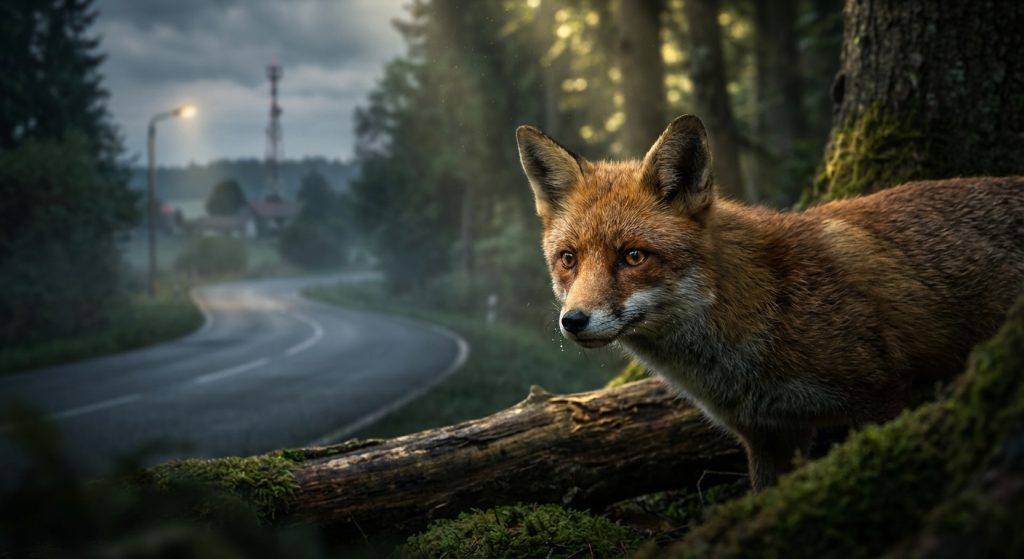
Zoonotic diseases pose a significant threat. These are illnesses that jump from animals to humans. Monitoring these risks is crucial. It protects both animal and human health. This requires a collaborative effort. Epidemiologists, conservationists, and medical teams must work together.
Understanding wildlife is key. Many diseases originate in animals. They can then spread to us. This spillover event can have severe consequences. It can lead to pandemics. Therefore, proactive monitoring is essential.
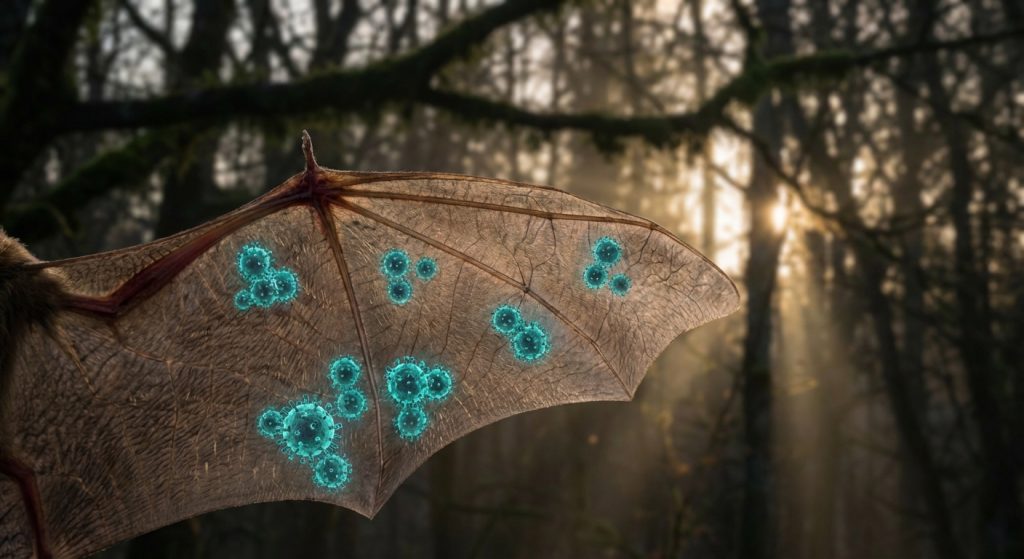
The Growing Threat of Zoonotic Diseases
Zoonotic diseases are not new. However, several factors increase their risk. Habitat destruction is a major driver. When wildlife habitats shrink, animals move closer to human settlements. This increases contact opportunities.
Furthermore, global travel and trade facilitate rapid spread. A pathogen can travel across continents quickly. Climate change also plays a role. It alters animal migration patterns. It can also create new environments for pathogens to thrive.
For example, deforestation brings humans and wildlife into closer proximity. This increases the chance of pathogen exchange. Similarly, the illegal wildlife trade is a significant risk factor. It involves close contact with diverse animal species under stressful conditions.
Identifying High-Risk Spillover Hotspots
Identifying areas where spillover is likely is vital. These are often called “hotspots.” They are typically regions with high biodiversity. They also have significant human encroachment. Areas with extensive wildlife markets are also high-risk.
Veterinarians and wildlife biologists play a critical role. They monitor animal populations. They look for signs of unusual illness. This surveillance helps detect emerging threats early. Early detection allows for quicker intervention.
Understanding animal behavior is also important. Certain behaviors can indicate disease presence. For instance, unusual lethargy or mortality events in a wild population are red flags. These observations can guide further investigation.
Surveillance Strategies for Early Detection
Effective surveillance requires multiple approaches. Firstly, we must monitor wildlife health. This involves sampling animals for pathogens. It also includes observing their behavior and environment.
Secondly, we need to monitor human health. This means tracking unusual disease clusters. It also involves investigating potential animal contacts. This is where preventive medicine teams are crucial.
Finally, environmental monitoring is also key. Changes in ecosystems can signal increased risk. For instance, unusual animal die-offs could indicate an environmental contaminant or pathogen.
The Role of Technology in Monitoring
Technology offers powerful tools for surveillance. Genomic sequencing allows us to identify pathogens rapidly. It helps us understand their origins and spread. This is essential for developing diagnostics and treatments.
Remote sensing and GIS mapping can identify high-risk areas. They can track habitat changes and human activity. This helps prioritize surveillance efforts. Wearable biosensors, while primarily for human health, can provide early warning signals for disease outbreaks in monitored animal populations if adapted.
Data sharing is also critical. Establishing robust networks for sharing information is paramount. This allows for a coordinated global response. It helps prevent localized outbreaks from becoming global crises.
Preventive Measures and Intervention
Once a risk is identified, action is needed. This involves implementing preventive measures. It also includes developing intervention strategies.
Public Health Interventions
Public health teams focus on preventing human infection. This includes public awareness campaigns. They educate people about safe practices. This is especially important for those who handle animals.
Vaccination strategies are also key. Developing vaccines for both animals and humans can prevent transmission. Furthermore, rapid diagnostic tests are essential. They allow for quick identification of infected individuals.
The concept of One Health is fundamental here. It recognizes the interconnectedness of human, animal, and environmental health. Therefore, interventions must address all three. This holistic approach is more effective.
Conservation Efforts and Wildlife Management
Conservationists work to protect wildlife populations. They also manage human-wildlife interactions. This includes reducing habitat destruction. It also involves combating illegal wildlife trade.
Creating wildlife corridors can help. These allow animals to move safely. They reduce the need for animals to enter human areas. Sustainable land-use practices are also important. They minimize human impact on natural habitats.
Responsible wildlife tourism is another aspect. It ensures minimal disturbance to animals. It also promotes conservation efforts. Understanding the impact of environmental noise pollution on wildlife breeding and survival is also part of this broader conservation strategy.
Challenges in Zoonotic Disease Monitoring
Monitoring zoonotic diseases is challenging. Several hurdles exist. Firstly, obtaining samples from wild animals can be difficult. It requires specialized skills and equipment.
Secondly, funding for surveillance is often insufficient. Many countries lack the resources for robust monitoring programs. This creates blind spots. These blind spots can allow diseases to emerge undetected.
Furthermore, political and social factors can hinder efforts. Sometimes, reporting outbreaks may be discouraged. This can be due to economic or political concerns. Building trust between communities and health authorities is therefore essential.
The Importance of Collaboration
Collaboration is the cornerstone of success. Epidemiologists, veterinarians, ecologists, and public health officials must work seamlessly. They need to share data and expertise.
International cooperation is also vital. Diseases do not respect borders. Global partnerships are necessary for effective surveillance and response. Organizations like the WHO and OIE play a crucial role in this coordination.
This collaborative spirit is also seen in areas like veterinary telemedicine, which bridges gaps in care for rural pets, showcasing how interconnected efforts can improve health outcomes across different domains.
Future Directions and Innovations
The field of zoonotic disease monitoring is evolving. Innovations promise better detection and prevention. Advanced genomic tools will continue to improve pathogen identification.
Artificial intelligence (AI) can analyze vast datasets. It can predict outbreak risks. It can also identify patterns invisible to human analysts. This aligns with the broader trend of AI in personalized healthcare, extending its predictive power to public health threats.
Furthermore, citizen science initiatives can augment official surveillance. Engaging the public in reporting wildlife observations can provide valuable data. This crowdsourced information can complement traditional methods.
Conclusion: A Shared Responsibility
Zoonotic diseases represent a complex global challenge. They highlight our interconnectedness with the natural world. Protecting ourselves requires understanding and respecting this balance.
Effective monitoring and prevention are not just scientific endeavors. They are also ethical imperatives. Safeguarding both human and animal health is a shared responsibility. By working together, we can mitigate the risks. We can build a healthier future for all.
Frequently Asked Questions
What is a zoonotic disease?
A zoonotic disease is an infectious disease that can be transmitted from animals to humans. Many common diseases, such as rabies, influenza, and Lyme disease, are zoonotic.
Why is wildlife conservation important for preventing zoonotic diseases?
Healthy wildlife populations in intact ecosystems are less likely to harbor and transmit novel pathogens. Habitat destruction and human encroachment increase contact between wildlife, livestock, and humans, raising the risk of spillover events. Conservation efforts help maintain ecological balance, thereby reducing these risks.
What are the main ways diseases spill over from animals to humans?
Spillover can occur through direct contact with infected animals (e.g., touching, biting, scratching), indirect contact with animal waste, or through vectors like mosquitoes and ticks. Consumption of contaminated animal products also poses a risk.
How can individuals reduce their risk of contracting zoonotic diseases?
Individuals can reduce their risk by practicing good hygiene, such as washing hands after contact with animals. They should avoid contact with sick or wild animals, cook meat thoroughly, and use insect repellent. Additionally, ensuring pets are vaccinated and healthy can also help.
What is the “One Health” approach?
The “One Health” approach is a collaborative, multisectoral, and transdisciplinary approach—working at the local, regional, and global levels—with the goal of achieving optimal health outcomes that recognize the interconnection of people, animals, plants, and their shared environment. It’s crucial for tackling zoonotic diseases.
