
The pet food industry is vast. Many options exist for pet owners. However, not all pet food is created equal. Traditional processed pet foods often lack vital nutrients. They can also contain fillers. This can lead to health issues for pets. Fortunately, a shift is happening. We are moving towards functional diets. This article explores pet nutrition science. It highlights the benefits of moving beyond processed food. We will look at the science behind functional diets.
The Limitations of Processed Pet Food
Processed pet food has been the norm for decades. It is convenient. It is also shelf-stable. However, this convenience comes at a cost. Processing methods can degrade essential nutrients. High temperatures are often used. This can destroy vitamins and enzymes. Furthermore, many processed foods rely on fillers. These include corn, wheat, and soy. These ingredients offer little nutritional value. They can also trigger allergies. Some pets experience digestive upset. Others may develop skin issues. Therefore, these diets may not support optimal health.
Understanding Pet Nutritional Needs
Pets have specific nutritional requirements. These needs vary by species, age, and activity level. Dogs and cats are carnivores. They require a diet rich in animal protein. They also need specific amino acids. These are found in meat. Processed foods often fall short. They may not provide enough bioavailable protein. They can also lack essential fatty acids. These are crucial for skin and coat health. Moreover, they may have imbalanced mineral profiles. This can affect bone health and organ function. Understanding these needs is key. It guides us toward better food choices.
The Rise of Functional Diets
Functional diets are designed to do more than just feed a pet. They aim to promote health and well-being. These diets are scientifically formulated. They often incorporate ingredients with specific health benefits. This is a significant departure from basic kibble. Functional foods focus on the whole pet. They consider their physiological needs. They also address potential health concerns.
What Makes a Diet “Functional”?
Several factors contribute to a diet’s functionality. These include:
- High-Quality Ingredients: They use whole, identifiable ingredients. Think lean meats, vegetables, and fruits.
- Nutrient Density: Every ingredient serves a purpose. There are no empty calories.
- Targeted Nutrients: They often include specific vitamins, minerals, and antioxidants. These support particular bodily functions.
- Digestibility: Ingredients are chosen for ease of digestion. This maximizes nutrient absorption.
- Palatability: While focused on health, taste is still important. Pets need to enjoy their food.
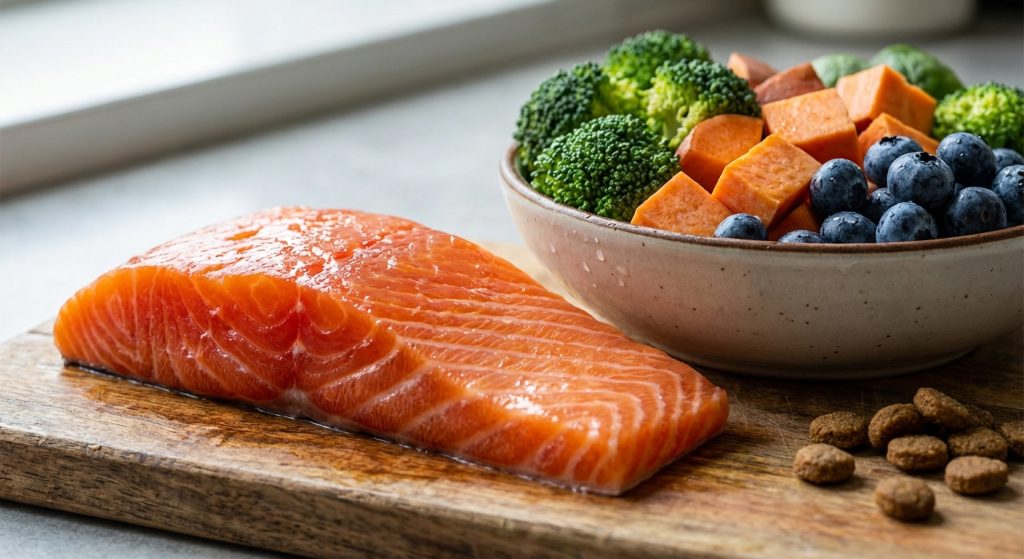
Functional diets often emphasize a “whole food” approach. This means using ingredients in their natural state. This preserves their inherent nutritional value. For example, whole grains are preferred over refined ones. Fruits and vegetables provide essential vitamins and fiber.
Key Components of Functional Pet Nutrition
Functional diets go beyond basic macronutrients. They often incorporate specific ingredients for targeted benefits. For instance, omega-3 fatty acids are common. These support skin, coat, and joint health. They are often sourced from fish oil or flaxseed.
The Role of Probiotics and Prebiotics
Gut health is paramount for overall well-being. Functional diets frequently include probiotics and prebiotics. Probiotics are beneficial bacteria. They help maintain a healthy gut microbiome. Prebiotics are food for these good bacteria. Together, they improve digestion. They also boost the immune system. A healthy gut can influence mood and energy levels. You can explore the broader importance of the gut microbiome in how internal bacteria dictate physical and mental immunity.
Antioxidants and Phytonutrients
Antioxidants combat free radicals. Free radicals can damage cells. This damage contributes to aging and disease. Functional diets include sources like berries, spinach, and sweet potatoes. These provide vitamins C and E, beta-carotene, and other beneficial compounds. Phytonutrients are plant compounds. They offer various health advantages, including anti-inflammatory properties. These can be particularly helpful for pets with chronic conditions.
Joint Support Ingredients
For active pets or older animals, joint health is vital. Functional diets may include glucosamine and chondroitin. These are natural compounds found in cartilage. They help support joint structure and function. Omega-3 fatty acids also play a role in reducing inflammation. This can ease joint discomfort. This is especially important as pets age.
Benefits for Pet Owners and Veterinarians
The move to functional diets offers significant advantages. For pet owners, it means healthier pets. This can translate to fewer vet visits. It also means a better quality of life for their companions. Owners are becoming more informed. They are seeking out the best for their pets. They want transparency in ingredients. They also want to understand the science behind the food.
Veterinary Endorsement and Guidance
Specialized veterinarians are increasingly advocating for these diets. They understand the science. They can guide pet owners. They help select the most appropriate functional food. This ensures the diet meets the pet’s specific needs. It also helps manage existing health conditions. For example, a vet might recommend a specific diet for a pet with kidney disease. This is a stark contrast to a one-size-fits-all approach. The field of veterinary science is constantly evolving. Advances in areas like animal orthopedics show this progress.
Transitioning to a Functional Diet
Switching your pet to a new diet requires care. It is always best to consult your veterinarian first. They can assess your pet’s current health. They can also recommend the best transition plan. Abrupt changes can cause digestive upset. Therefore, a gradual introduction is recommended.
Gradual Introduction is Key
Start by mixing a small amount of the new food with the old. Gradually increase the proportion of the new food over 7-10 days. Monitor your pet for any adverse reactions. Watch for changes in stool consistency or appetite. If any issues arise, slow down the transition. Or, consult your vet.
The Future of Pet Nutrition
The trend towards functional pet food is growing. More research is being conducted. This will lead to even more advanced formulations. We may see diets tailored to specific genetic predispositions. Personalized nutrition is on the horizon. This could revolutionize pet healthcare. The focus will continue to be on science-backed solutions. These solutions will prioritize pet health and longevity. The entire concept of animal health is increasingly interconnected. This is reflected in the broader One Health approach.
Challenges and Opportunities
One challenge is consumer education. Many owners are still unaware of the benefits. Pet food manufacturers have an opportunity. They can lead with transparency. They can invest in research. They can also partner with veterinary professionals. This builds trust. It also drives innovation. The market for high-quality, functional pet food is expanding. This offers significant opportunities for growth.
Frequently Asked Questions (FAQ)
What is the main difference between processed and functional pet food?
Processed pet food often uses lower-quality ingredients and fillers. It undergoes high-heat processing that can degrade nutrients. Functional pet food uses high-quality, targeted ingredients. It is designed to provide specific health benefits beyond basic nutrition.
Are functional diets more expensive?
Often, yes. The higher quality ingredients and specialized formulations can increase the cost. However, many owners find the long-term health benefits and potential reduction in veterinary costs justify the investment.
Can all pets benefit from functional diets?
While many pets can benefit, individual needs vary. It is crucial to consult with a veterinarian. They can help determine if a functional diet is appropriate for your specific pet’s age, breed, activity level, and health status.
How do I know if a functional diet is working for my pet?
Look for signs of improved energy levels, a healthier coat and skin, better digestion, and increased overall vitality. Regular veterinary check-ups are also essential to monitor your pet’s health.
Conclusion
The science of pet nutrition is advancing rapidly. Moving beyond traditional processed foods to functional diets is a significant step. It allows us to proactively support our pets’ health. By understanding the science and choosing wisely, we can contribute to longer, healthier, and happier lives for our animal companions. This shift benefits pets, owners, and the veterinary community alike. It signifies a commitment to truly understanding and meeting our pets’ biological needs.