De-Extinction Ethics: Should We Revive Lost Species?
Published on January 12, 2026 by Admin
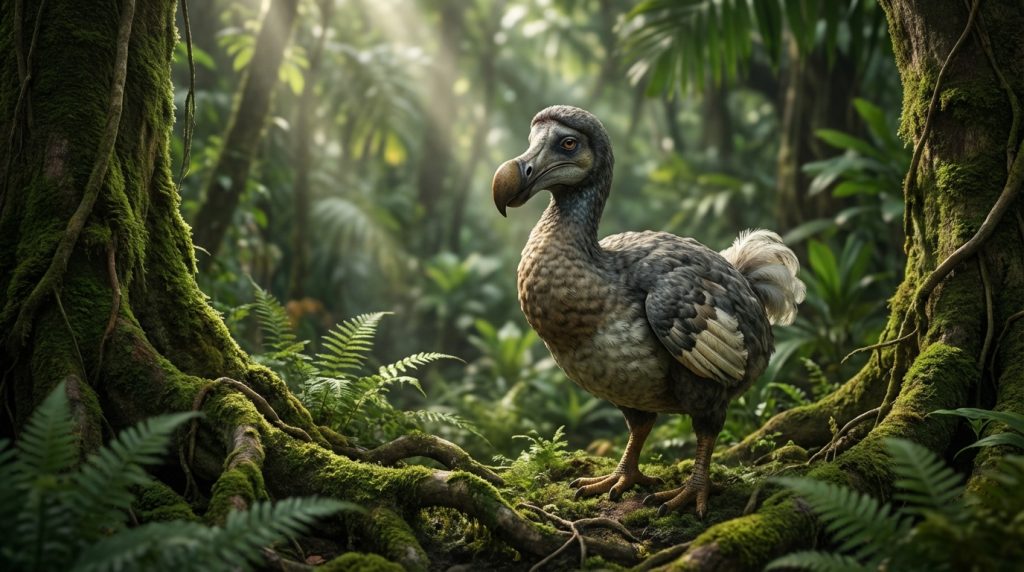
The idea of bringing back extinct animals is captivating. It sparks our imagination about a lost world. However, this concept, known as de-extinction, raises profound ethical questions. Should we revive species that are gone forever? This article explores the complex ethical landscape surrounding de-extinction. It aims to inform evolutionary biologists, ethicists, and conservationists.
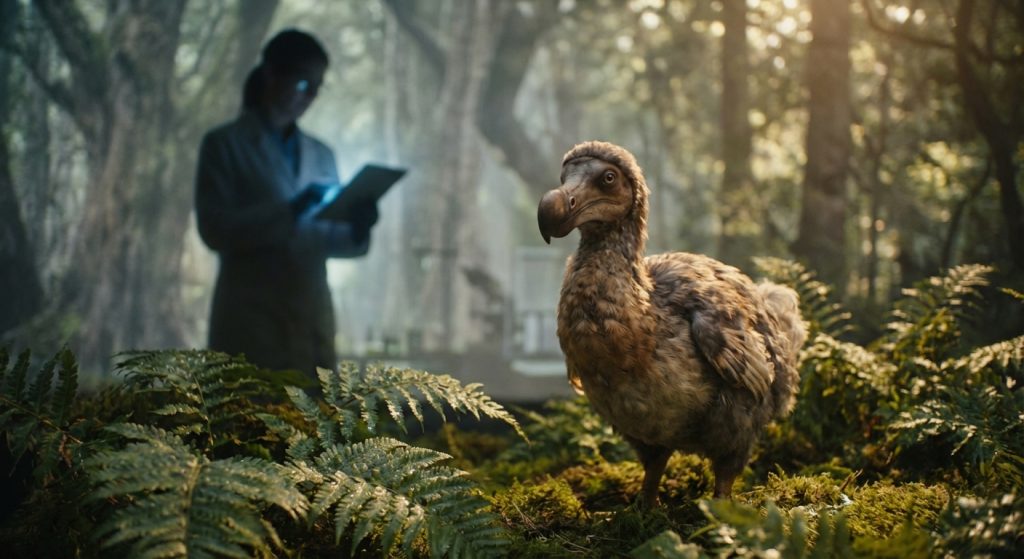
The Allure of De-Extinction
De-extinction is no longer just science fiction. Advances in genetic technology make it a potential reality. Scientists can now sequence ancient DNA. They can also use gene-editing tools like CRISPR. These tools offer pathways to recreate extinct creatures. The potential benefits are often cited. These include restoring lost ecosystems. They also include scientific advancement. Furthermore, some see it as a way to right past wrongs. We may be able to undo some human-caused extinctions.
Restoring Ecosystems
One of the main arguments for de-extinction is ecological restoration. For example, the passenger pigeon once numbered in billions. Its extinction dramatically altered forest ecosystems. Bringing back such a species could theoretically restore ecological functions. It might help re-establish natural processes. This could involve seed dispersal or nutrient cycling. However, current ecosystems are vastly different. They may not support these reintroduced species. Therefore, careful consideration is needed.
Scientific and Educational Value
De-extinction projects offer immense scientific learning opportunities. Studying resurrected species could reveal much about evolution. It could also shed light on past environments. Furthermore, these projects could inspire public interest in science. They could also raise awareness about extinction. Seeing a living mammoth, for instance, would be awe-inspiring. It could galvanize support for conservation efforts. This is a powerful educational tool.
Ethical Concerns and Criticisms
Despite the exciting possibilities, de-extinction faces significant ethical challenges. Many scientists and ethicists voice concerns. These concerns span multiple dimensions.
Resource Allocation and Conservation Priorities
A primary criticism is about resource allocation. De-extinction is incredibly expensive. Critics argue that these vast sums could be better spent. They could be used to protect currently endangered species. Protecting existing biodiversity is seen as a more urgent priority. We have many species on the brink of extinction. Diverting funds to de-extinction might jeopardize their survival. This is a critical debate in conservation circles.
Ecological Risks and Unintended Consequences
Reintroducing extinct species carries ecological risks. These resurrected animals might become invasive. They could outcompete native species. They might also introduce new diseases. We do not fully understand their interactions with modern ecosystems. The world has changed since they last roamed. Their reintroduction could have unforeseen negative impacts. This is especially true for species that played keystone roles.
Animal Welfare and Suffering
The welfare of the resurrected animals is another major concern. Will they suffer in an unfamiliar environment? Will they have adequate social structures? Will they be able to find food? Creating a viable population is difficult. The process of de-extinction itself could involve suffering. Creating a functional clone or hybrid might not result in a healthy, thriving individual. We must consider their quality of life.
The “Playing God” Argument
Some objections are rooted in a philosophical or religious perspective. The idea of “playing God” by recreating life is unsettling for many. It raises questions about humanity’s role in nature. Is it our right to interfere with natural processes on such a grand scale? This perspective questions the fundamental morality of de-extinction.
Potential De-extinction Candidates
Several species are often discussed as candidates for de-extinction. Each presents unique challenges and opportunities.
The Woolly Mammoth
The woolly mammoth is a popular candidate. Its DNA is relatively well-preserved in permafrost. Scientists are exploring using elephants as surrogates. The goal is to recreate a mammoth-like elephant. This could potentially help restore the Arctic tundra. It might even help combat climate change by reviving grassland ecosystems. However, the ecological impact is debated.
The Passenger Pigeon
As mentioned earlier, the passenger pigeon is another iconic candidate. Its extinction was a stark reminder of human impact. Reviving it could offer lessons in ecosystem restoration. It would also serve as a symbol of recovery. However, recreating its vast flocks and ecological role is challenging.
The Dodo
The dodo is a symbol of human-caused extinction. It inhabited Mauritius. Its unique biology and history make it a compelling subject. However, its DNA is not as well-preserved as some others. The feasibility of its de-extinction is lower.
Methods and Technologies
Several scientific approaches are being explored for de-extinction.
Cloning
Cloning involves creating a genetically identical copy of an organism. This requires viable cells from the extinct animal. These cells are then implanted into a surrogate mother. This method has been successful with some modern species. However, obtaining intact cells from extinct animals is difficult. The surrogate species must also be closely related.
Genetic Engineering and Back-Breeding
These methods involve using modern relatives of extinct species. Scientists can edit the genome of a living species. They can introduce genes from the extinct animal. This creates an organism that shares many traits. Back-breeding involves selectively breeding modern animals that resemble the extinct species. The results are not true de-extinction but rather approximations. These are often called “proxy species.”
Conclusion: A Delicate Balance
The ethics of de-extinction are multifaceted. The potential to restore ecosystems and advance science is tantalizing. Yet, the risks to current biodiversity, animal welfare, and ecological stability are significant. We must also consider the financial and moral implications.
Ultimately, the decision to pursue de-extinction requires careful deliberation. It demands a thorough weighing of potential benefits against substantial risks. It is crucial to engage in open dialogue. This involves scientists, ethicists, conservationists, and the public. We must ask ourselves not only if we *can* bring back extinct species, but if we *should*. Prioritizing the protection of species currently facing extinction remains paramount. Perhaps de-extinction can serve as a cautionary tale. It can also highlight the importance of preventing future extinctions. We must learn from the past to protect the future. This is a complex challenge with no easy answers. It requires a commitment to responsible scientific advancement and ethical stewardship of our planet.
Frequently Asked Questions (FAQ)
What is de-extinction?
De-extinction is the process of bringing an extinct animal species back to life. This is typically done using genetic engineering and reproductive technologies. It involves recreating an organism that is genetically identical or very similar to an extinct ancestor.
What are the main arguments for de-extinction?
The primary arguments include the potential to restore lost ecosystems, advance scientific knowledge, and serve as a powerful educational tool. Some also believe it can help correct past human-caused extinctions.
What are the main ethical concerns about de-extinction?
Key concerns include the high cost and diversion of resources from existing conservation efforts, potential ecological risks like invasive species or disease spread, animal welfare issues for the resurrected animals, and philosophical objections about interfering with natural processes.
Are there any species that have been successfully de-extincted?
As of now, no species has been fully de-extincted. However, research is ongoing, and scientists have made progress in creating proxy species that resemble extinct animals. For example, there are efforts to create a mammoth-like elephant.
How does de-extinction relate to current conservation efforts?
There is a debate about whether de-extinction complements or competes with current conservation. Critics argue it diverts crucial funding and attention from saving endangered species. Proponents suggest it could eventually aid conservation by restoring ecosystems.
What role does DNA play in de-extinction?
DNA is fundamental. Scientists extract ancient DNA from preserved remains. They then use this genetic blueprint to guide the reconstruction process, often through gene editing or cloning techniques. The quality and completeness of the DNA are critical factors.
Could de-extinction help combat climate change?
Some proposals suggest that reintroducing large herbivores like woolly mammoths could help restore grassland ecosystems in the Arctic. These restored ecosystems might sequester more carbon, potentially mitigating climate change. However, this is a complex hypothesis with ongoing scientific debate.