
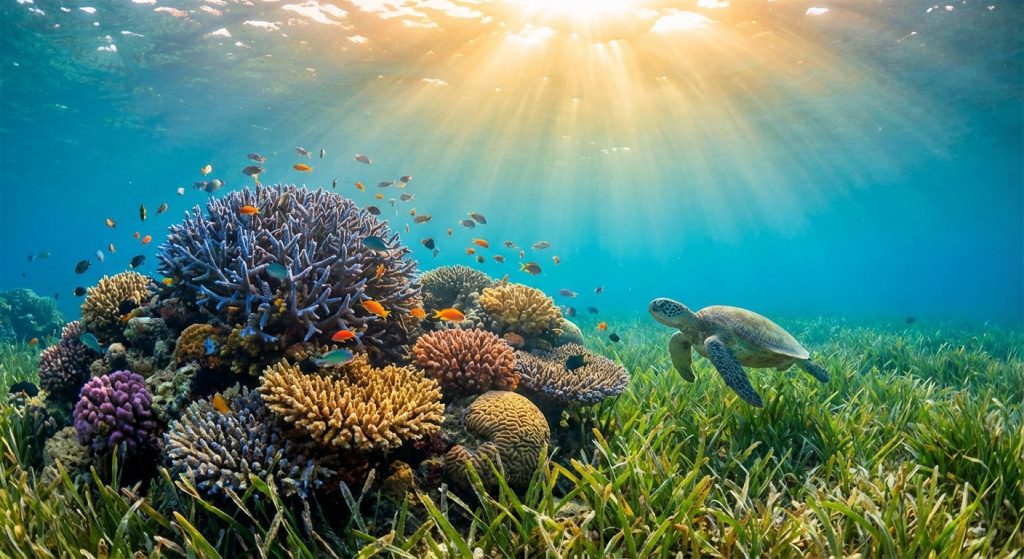
Our oceans are facing unprecedented threats. Climate change, pollution, and unsustainable practices are damaging vital marine ecosystems. However, hope is emerging. Marine ecosystem restoration offers powerful solutions. This article explores two key areas: coral outplanting and seagrass recovery. These efforts are crucial for biodiversity and coastal protection.
The Urgent Need for Marine Restoration
Marine ecosystems are the lungs of our planet. They provide food, regulate climate, and support countless species. Sadly, these systems are in decline. Coral reefs are bleaching. Seagrass meadows are disappearing. This loss has severe consequences. It impacts coastal communities and global biodiversity.
Restoration aims to reverse this damage. It involves active intervention. The goal is to bring back lost habitats. This helps marine life thrive again. It also builds resilience against future threats. Furthermore, healthy ecosystems protect coastlines. They are natural buffers against storms.
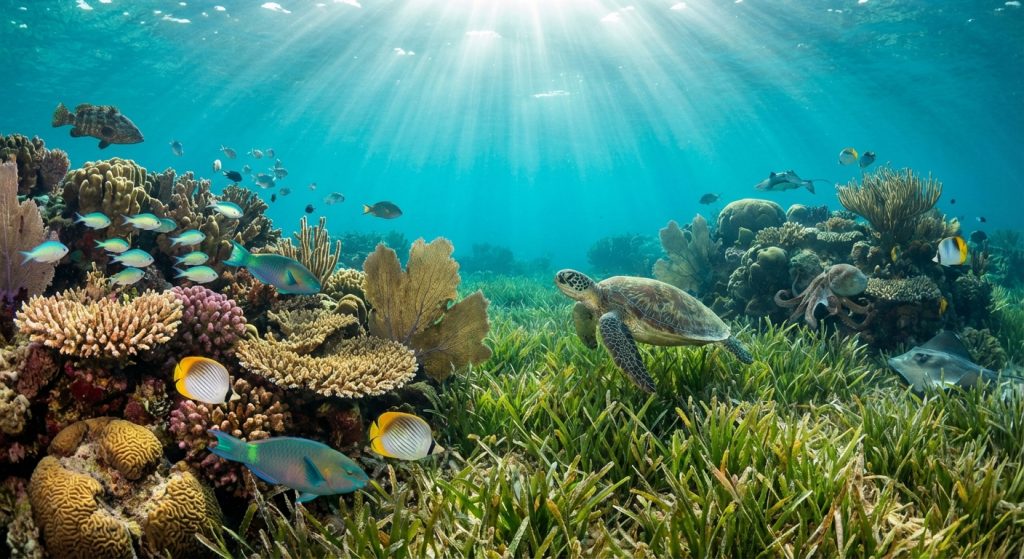
Coral Outplanting: Rebuilding Reefs Brick by Brick
Coral reefs are biodiversity hotspots. They are often called the “rainforests of the sea.” Unfortunately, they are highly vulnerable. Rising ocean temperatures cause coral bleaching. Pollution smothers and kills corals. Physical damage from anchors also plays a role.
Coral outplanting is a direct intervention method. It involves growing coral fragments in nurseries. Then, these fragments are transplanted back to degraded reefs. This process is labor-intensive. It requires careful planning and execution. However, it shows great promise.
The Coral Outplanting Process
Firstly, scientists collect small coral fragments. These are called “nubbins.” They are usually collected from healthy parent colonies. These fragments are then attached to frames or structures. These structures act as underwater nurseries. They are placed in protected areas.
Next, the corals are nurtured. They grow for several months. During this time, they are monitored closely. Factors like water quality and light are managed. Once large enough, the corals are transplanted. Divers carefully attach them to the reef. They use special adhesives or cement.
Successes and Challenges
Many successful coral outplanting projects exist. For instance, in the Caribbean, efforts are underway to restore elkhorn and staghorn corals. These species are critically endangered. Projects in Southeast Asia are also showing positive results. They are rebuilding damaged reef structures.
However, challenges remain significant. Outplanting is costly. It requires specialized equipment and expertise. Corals are still vulnerable to climate change. Even outplanted corals can bleach if temperatures rise too high. Therefore, outplanting must be combined with broader climate action. It is one tool among many.
Seagrass Recovery: Restoring Underwater Meadows
Seagrass meadows are vital marine habitats. They cover vast areas of the seabed. These meadows are incredibly productive ecosystems. They provide nurseries for fish and invertebrates. They also stabilize sediments. This prevents coastal erosion. Seagrass also absorbs carbon dioxide.
However, seagrass meadows are declining globally. This is due to various factors. Dredging, pollution, and boat anchors damage them. Poor water quality, especially from agricultural runoff, is a major threat. Climate change also impacts seagrass health.
Methods for Seagrass Restoration
Seagrass restoration often involves planting. This can be done using seeds or seedlings. Seeds are collected and sown directly onto the seabed. Seedlings are typically grown in nurseries first. Then, they are transplanted by hand or with specialized equipment.
Another method is transplanting whole sods of seagrass. These sods contain established plants. They are moved from healthy areas to degraded ones. This approach can be effective. However, it requires careful site selection. Water clarity and substrate type are important.
The Importance of Seagrass Meadows
Restored seagrass meadows offer numerous benefits. They enhance fish populations. This supports local fisheries. They also improve water quality. This is because seagrass filters out excess nutrients. Additionally, they are crucial carbon sinks. They can store significant amounts of carbon. This helps mitigate climate change.
The recovery of seagrass meadows is essential. It contributes to coastal resilience. It also supports marine biodiversity. The work on seagrass recovery is linked to broader efforts in land management. For example, reducing nutrient runoff from agriculture is key. This connects terrestrial and marine health. It aligns with the principles of a One Health approach.
Synergies and Integrated Approaches
Coral outplanting and seagrass recovery are not isolated efforts. They often occur in the same coastal areas. Healthy seagrass meadows can improve water quality. This benefits nearby coral reefs. Clearer water allows more sunlight to reach corals. Reduced nutrient pollution also helps prevent algal blooms. These blooms can harm corals.
Therefore, integrated management is vital. Projects often aim to restore both habitats simultaneously. This creates more resilient coastal ecosystems. It offers a holistic approach to marine conservation. Such integrated strategies are more effective. They address multiple stressors at once.
Challenges and Future Directions
Despite successes, marine restoration faces hurdles. Funding is often a major constraint. Scaling up restoration efforts is difficult. Public awareness and political will are also critical. Education plays a key role in fostering support.
Future directions include innovation. New technologies are emerging. These include drone seeding for seagrass. Advanced monitoring techniques are also being developed. Genetic research can help identify resilient coral strains. Furthermore, policy changes are needed. These should support sustainable coastal development. They should also address the root causes of degradation.
Ultimately, successful marine restoration depends on global cooperation. It requires collaboration between scientists, policymakers, communities, and NGOs. Addressing climate change remains paramount. Without mitigating climate change, restoration efforts will struggle against overwhelming odds.
Frequently Asked Questions (FAQ)
What is coral outplanting?
Coral outplanting is a method of marine restoration. It involves growing coral fragments in nurseries. Then, these fragments are transplanted to degraded reef areas. This helps rebuild damaged coral ecosystems.
Why are seagrass meadows important?
Seagrass meadows are vital for marine life. They serve as nurseries for many species. They also stabilize sediments, preventing erosion. Additionally, they absorb carbon dioxide, helping combat climate change.
Can coral outplanting save reefs from climate change?
Coral outplanting can help restore damaged reefs. However, it cannot solve climate change alone. Corals remain vulnerable to rising ocean temperatures. Therefore, reducing greenhouse gas emissions is essential for long-term reef survival.
What are the biggest threats to seagrass?
The main threats to seagrass include coastal development, dredging, pollution from agricultural runoff, and boat traffic. Climate change also impacts seagrass health through rising temperatures and sea levels.
How can I support marine restoration efforts?
You can support marine restoration by donating to reputable environmental NGOs. You can also reduce your carbon footprint. Avoiding single-use plastics helps reduce marine pollution. Educating yourself and others about these issues is also important.
Conclusion
Marine ecosystem restoration, particularly coral outplanting and seagrass recovery, offers tangible hope. These interventions are vital for the health of our oceans. They support biodiversity, protect coastlines, and combat climate change. Continued research, investment, and global commitment are essential. By working together, we can help heal our blue planet.
