The Shifting Paradigm of Modern Zoos
Zoos are undergoing a profound transformation. For decades, they were primarily places of entertainment. Visitors flocked to see exotic animals in enclosures. However, this model is rapidly becoming outdated. A new vision is emerging: zoos as vital hubs for conservation. This evolution is critical for the future of wildlife. It addresses the urgent need to protect biodiversity. Therefore, zoo directors must embrace this change.
This transition is not merely a superficial rebranding. It requires a fundamental shift in philosophy and practice. Zoos are recognizing their potential. They can play a much larger role in saving species. This involves moving beyond passive display. It means actively participating in conservation efforts. Consequently, the role of zoos is becoming more significant.
From Spectacle to Sanctuary: The Core of the Change
Historically, zoos focused on exhibiting a wide variety of animals. The goal was often to impress visitors with rare and unusual species. This approach, while popular, contributed to a disconnect. It often overlooked the animals’ welfare and natural behaviors. Furthermore, it did little to address the root causes of species endangerment.
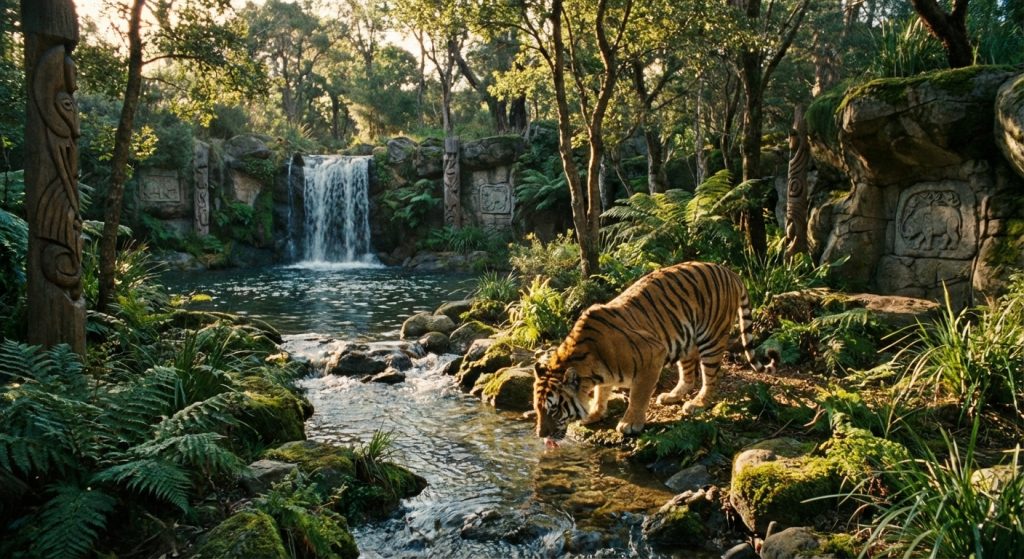
Today, the emphasis is shifting dramatically. Modern zoos prioritize animal welfare. They strive to create environments that mimic natural habitats. This allows animals to express natural behaviors. More importantly, these institutions are dedicating resources to conservation. They are investing in breeding programs. They also support field research and habitat protection. Therefore, the focus is on genuine impact.
The Pillars of Modern Zoo Conservation
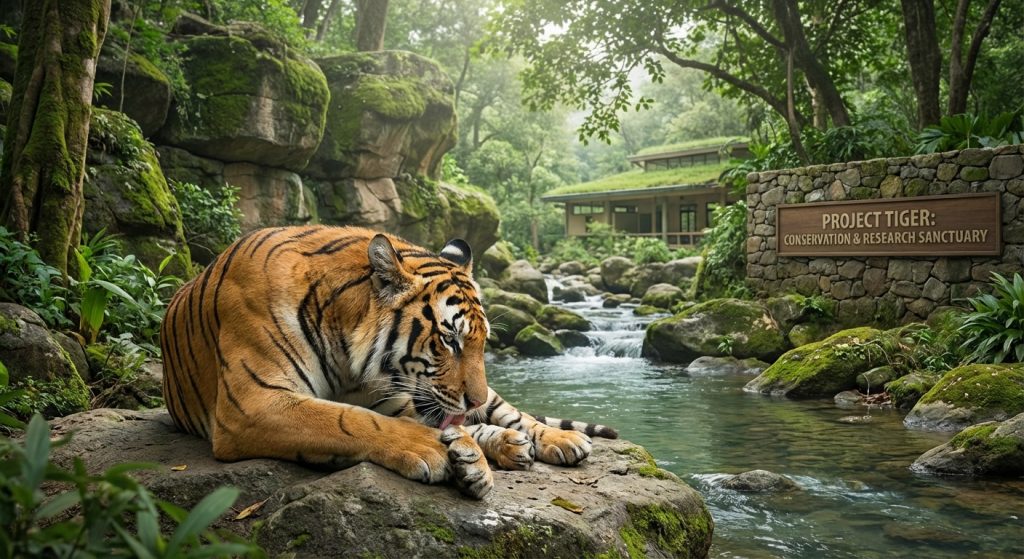
Several key areas define the new conservation-focused zoo model. These pillars support the transition from entertainment venues to ecological strongholds.
Species Survival Plans (SSPs)
SSPs are cooperative breeding programs. They are managed by zoological associations. These plans aim to maintain genetically diverse populations. They focus on species that are endangered or threatened. For instance, the role of zoos in modern animal preservation and research is central to these efforts. These programs ensure that a viable population exists. This acts as an insurance policy against extinction in the wild.
SSPs involve coordinated breeding efforts across multiple institutions. This prevents inbreeding. It also maintains genetic health. Zoos work together to move animals between facilities. This is crucial for genetic diversity. Therefore, collaboration is key.
Research and Scientific Advancement
Modern zoos are active research centers. Scientists study animal behavior, physiology, and genetics. This research provides valuable insights. It helps us understand species better. It also informs conservation strategies. For example, research into animal health can lead to better veterinary care. This is vital for both captive and wild populations. Moreover, advancements in genetics are revolutionizing conservation. Understanding animal conservation genetics using DNA to save vulnerable populations is becoming increasingly important.
Furthermore, zoos contribute to understanding diseases. This includes zoonotic diseases. Monitoring these diseases is crucial for both animal and human health. This aligns with the delicate balance between human and animal health. Consequently, zoos are on the front lines of public health awareness.
Education and Public Engagement
Educating the public is a cornerstone of conservation. Zoos have a unique opportunity to connect people with nature. They can foster empathy and understanding. This happens through engaging exhibits and educational programs. Visitors learn about the challenges species face. They also discover what they can do to help.
Effective education goes beyond simple facts. It aims to inspire action. Zoos can highlight conservation successes. They can also explain the threats to biodiversity. This empowers visitors to become advocates. Therefore, the educational mission is paramount.
Field Conservation and Habitat Restoration
Many zoos are directly involved in conservation projects in the wild. They fund research expeditions. They also support habitat protection and restoration efforts. This hands-on involvement is vital. It addresses the root causes of species decline. For instance, some zoos contribute to protecting rainforests. These ecosystems are crucial for global biodiversity. They are also vital for climate regulation. Learning about the global reliance on rainforests highlights their importance.
Zoos can also support anti-poaching initiatives. They may fund wildlife monitoring programs. These efforts directly protect animals in their natural environments. Thus, the zoo’s impact extends far beyond its walls.
Challenges and Opportunities for Zoos
The transition to conservation hubs is not without its hurdles. Zoos must navigate financial constraints. They also face public perception challenges. Some critics still view zoos as outdated. They question the ethics of keeping animals in captivity. However, the modern conservation zoo model addresses these concerns.
Opportunities abound for zoos willing to innovate. They can partner with other conservation organizations. They can leverage technology for research and education. For example, advanced veterinary techniques are improving animal care. This includes areas like orthopedic surgery for animals. Furthermore, the “One Health” approach is gaining traction. This recognizes the interconnectedness of human, animal, and environmental health. Zoos are perfectly positioned to champion this concept. They can demonstrate how protecting wildlife benefits everyone. This aligns with the principles of the One Health approach.
The Role of Zoos in a Changing World
As global biodiversity faces unprecedented threats, zoos have a crucial role to play. They serve as living laboratories. They are also centers for education and advocacy. Moreover, they act as arks for endangered species. This multifaceted role is more important than ever before.
The future of zoos depends on their ability to adapt. They must continue to evolve. They need to prioritize conservation above all else. By embracing this new paradigm, zoos can secure their relevance. They can also make a tangible difference in saving our planet’s wildlife. Therefore, the commitment to conservation must be unwavering.
Frequently Asked Questions (FAQ)
What is the primary difference between old and new zoo models?
The primary difference lies in their focus. Old zoos emphasized entertainment and exhibition. New zoos prioritize animal welfare, conservation, research, and education. They aim to actively contribute to species survival.
How do zoos contribute to species survival in the wild?
Zoos contribute through Species Survival Plans (SSPs) for captive breeding. They also fund field research, habitat restoration, and anti-poaching efforts. Additionally, they educate the public, fostering support for conservation initiatives.
Are there ethical concerns about keeping animals in zoos?
Ethical concerns exist, particularly regarding animal welfare. However, modern zoos address these by creating naturalistic habitats, ensuring high standards of care, and focusing on conservation. The goal is to provide a safe haven and contribute to species preservation.
What is the “One Health” concept and how do zoos relate to it?
The “One Health” concept recognizes the interconnectedness of human, animal, and environmental health. Zoos are ideal platforms to demonstrate this connection. They can highlight how protecting animal health and habitats contributes to global well-being.
Conclusion
The evolution of zoos from mere entertainment venues to critical conservation hubs is undeniable. This transformation is essential for safeguarding biodiversity. It requires a steadfast commitment to research, education, and direct conservation action. By embracing their role as sanctuaries and champions of wildlife, zoos can ensure a healthier planet for generations to come. Their future success hinges on their dedication to this vital mission.