
Urban Rewilding: Greening Our Dense City Centers
Published on January 13, 2026 by Admin
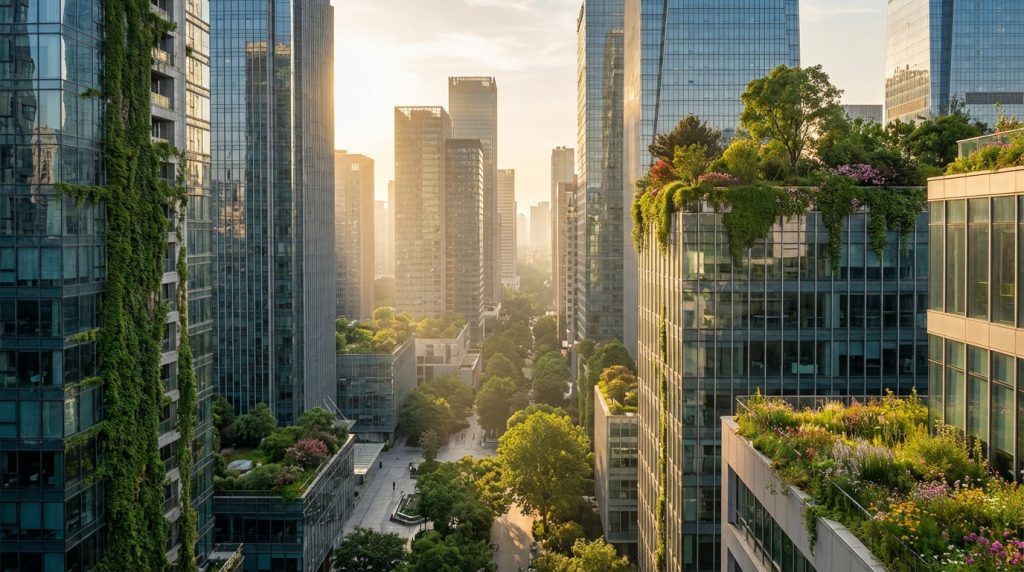
High-density city centers often feel like concrete jungles. However, there is a growing movement to bring nature back. This is called urban rewilding. It means integrating more biodiversity into these built-up areas. This article explores its importance and methods.
Why Urban Rewilding Matters
Cities are growing rapidly. This expansion often squeezes out natural habitats. Urban rewilding aims to reverse this trend. It focuses on bringing back native plants and animals. This creates healthier and more vibrant urban ecosystems. Furthermore, it benefits city residents directly.
For example, increased green spaces improve air quality. They also help manage stormwater runoff. This reduces flooding risks. Moreover, nature in cities can boost mental well-being. It offers places for recreation and relaxation. Therefore, urban rewilding is crucial for sustainable urban development.
The Benefits for Biodiversity
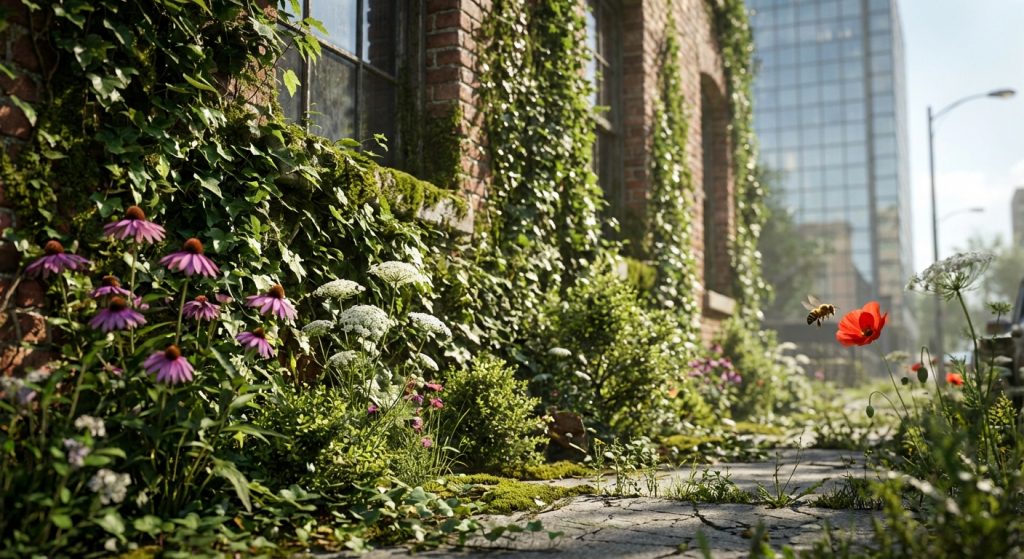
Urban areas can be challenging for wildlife. Limited food sources and fragmented habitats are common. Rewilding efforts create new opportunities. They provide essential resources for various species. This includes insects, birds, and small mammals. For instance, planting native wildflowers supports pollinators.
These plants are often hardier. They also require less maintenance. This is because they are adapted to the local climate. Consequently, they provide better food and shelter. This encourages a greater variety of life. It helps create a more resilient urban ecosystem. This approach also contributes to wider conservation goals. It connects fragmented green corridors. This allows for species movement. You can learn more about wildlife bridges that help animals cross busy areas.
Integrating Nature into Urban Fabric
Urban rewilding is not just about large parks. It can happen on many scales. Tiny interventions can make a big difference. Think about green roofs and living walls. These are becoming increasingly popular. They add green cover to buildings. They also provide habitats for small creatures. Furthermore, they help cool buildings. This reduces energy consumption.
Street trees are also vital. They provide shade and improve aesthetics. They also offer habitat for birds. Even small pocket parks can be rewilded. These spaces can be designed to support local flora and fauna. This makes them more than just decorative elements. They become active ecological hubs. Therefore, integrating nature requires creative thinking.
Green Roofs and Living Walls
Green roofs are layered systems. They are installed on rooftops. They typically include vegetation. Living walls, or vertical gardens, are similar. They cover building facades. Both systems offer numerous ecological benefits. They reduce the urban heat island effect. They also absorb air pollutants. Moreover, they can manage rainwater effectively. This reduces strain on city drainage systems.
For example, a green roof can absorb a significant amount of rainfall. This is especially helpful during heavy downpours. Living walls provide microhabitats. They can support insect populations and bird nesting sites. Therefore, these architectural features are powerful rewilding tools.
Pocket Parks and Urban Gardens
Pocket parks are small urban green spaces. They are often created in underutilized areas. Rewilding these spaces involves planting native species. It also means creating habitats. This might include log piles or insect hotels. Urban gardens, whether community-run or private, can also be rewilded. They can become havens for biodiversity. They also offer educational opportunities.
Residents can learn about local wildlife. They can also grow their own food. This connects people to nature. It fosters a sense of stewardship. Hence, these small spaces are critical for urban biodiversity.
Challenges and Solutions
Urban rewilding faces hurdles. Space is often limited and expensive. There can also be public perception issues. Some people prefer manicured lawns. They may not understand the value of wilder spaces. Maintenance can also be a concern. However, solutions exist for these challenges.
For instance, using native, low-maintenance plants reduces upkeep. Community engagement and education can shift perceptions. Demonstrating the benefits of rewilding is key. This includes improved well-being and ecological health. Therefore, overcoming these obstacles is vital for success.
Limited Space and Funding
Cities are naturally constrained. Finding space for rewilding projects can be tough. Funding is also a common issue. However, innovative solutions are emerging. Vertical farming, for example, maximizes space efficiency. While not strictly rewilding, it shows how to use urban areas productively for nature. Learn more about vertical farming’s potential in urban environments.
Public-private partnerships can secure funding. Local governments can allocate budgets for green infrastructure. Even small-scale projects can be funded through grants. Creative use of existing spaces is also important. This includes transforming derelict lots or underused verges.
Public Perception and Education
Changing public opinion is crucial. Many people associate nature with tidiness. They may see rewilded areas as messy or unkempt. Education is the answer here. Showing the ecological value of native plants is important. Explaining how these plants support local wildlife helps. Community workshops and nature walks can build understanding.
Pilot projects can demonstrate success. Seeing thriving wildlife in a rewilded urban space can be persuasive. Highlighting the aesthetic appeal of natural landscapes is also beneficial. Therefore, clear communication is key to gaining support.
Strategies for Successful Urban Rewilding
Successful urban rewilding requires careful planning. It also needs community involvement. Several strategies can ensure success. These focus on ecological principles and social engagement.
1. Prioritize Native Species
Using native plants is fundamental. They are adapted to the local climate. They also provide the best food and habitat for native wildlife. This supports the entire food web. For example, native grasses and wildflowers are vital for insects.
2. Create Habitat Variety
Different species need different habitats. Rewilding efforts should aim to provide variety. This includes diverse plant structures. It also means incorporating features like water sources, log piles, and rockeries. This caters to a wider range of species. It helps create a more robust ecosystem.
3. Minimize Human Intervention (Where Appropriate)
While planning is key, some areas can be left to nature. This is known as passive rewilding. Allowing natural processes to unfold can be very effective. It reduces maintenance costs. It also allows for greater ecological complexity. However, this must be balanced with safety and public access needs.
4. Engage the Community
Involving local residents is essential. This builds support and ownership. It can also provide volunteer labor. Community gardens and citizen science projects are great examples. They foster a sense of connection to nature. Therefore, collaboration is a cornerstone of success.
5. Monitor and Adapt
Ecological systems are dynamic. It is important to monitor rewilding projects. Track plant growth and wildlife presence. This data helps assess effectiveness. It also allows for adjustments. Adapting strategies based on monitoring results is crucial.
The Future of Urban Rewilding
Urban rewilding is more than a trend. It is a necessary evolution for our cities. As climate change intensifies, cities need to become more resilient. They need to be more livable for both people and nature. This movement offers a path forward. It promises greener, healthier, and more biodiverse urban environments.
Imagine cities where birdsong is common. Imagine streets lined with native trees. Imagine buildings covered in living green. This vision is achievable. It requires commitment from urban designers, policymakers, and residents. By embracing urban rewilding, we can transform our concrete jungles into thriving ecosystems. This approach aligns with the broader concept of One Health, recognizing the interconnectedness of human, animal, and environmental well-being.
Frequently Asked Questions
What is urban rewilding?
Urban rewilding is the process of reintroducing natural elements and processes into urban environments. It focuses on increasing biodiversity by planting native species, creating habitats, and allowing natural ecological functions to re-establish themselves within cities.
Why is it important to rewild cities?
Rewilding cities is important for several reasons. It improves air and water quality, mitigates the urban heat island effect, enhances mental and physical well-being for residents, and provides crucial habitats for urban wildlife. It also contributes to overall ecological resilience.
What are examples of urban rewilding projects?
Examples include creating green roofs and living walls on buildings, transforming vacant lots into pocket parks with native plants, planting street trees, establishing community gardens focused on native species, and restoring urban waterways to a more natural state.
Can rewilding work in very dense urban areas?
Yes, rewilding can be adapted to dense urban areas. Strategies like vertical gardens, green roofs, and even small planters on balconies can introduce biodiversity. Every small patch of green contributes to the larger urban ecosystem.
What are the main challenges to urban rewilding?
Key challenges include limited space, funding constraints, public perception that favors manicured landscapes, and the need for ongoing maintenance. Overcoming these requires creative planning, community engagement, and strong policy support.
How can I contribute to urban rewilding?
You can contribute by planting native species in your garden or balcony, supporting local rewilding initiatives, participating in community greening projects, and advocating for more nature-based solutions in urban planning. Educating yourself and others is also vital.
