
Medicinal Plants 2.0: Digitizing Ancient Knowledge for Drug Discovery
Published on January 13, 2026 by Admin
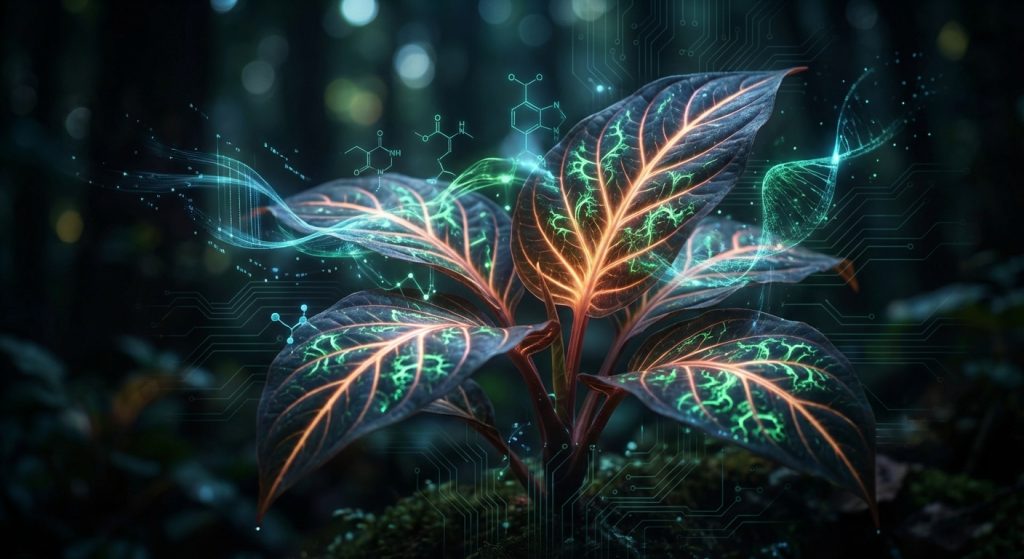
Ancient wisdom meets modern technology. This is the dawn of a new era in drug discovery. For centuries, humanity has relied on plants for healing. Traditional medicine systems hold vast knowledge. This knowledge is now being digitized. It’s unlocking new pharmaceutical potential. This transformation is crucial for ethnobotanists and researchers. It promises faster, more targeted drug development.
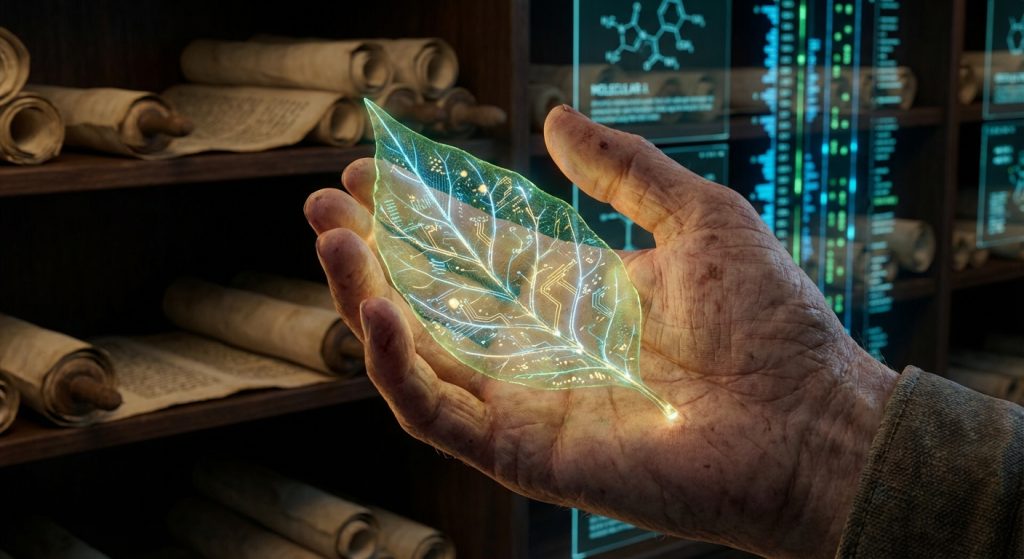
Bridging the Gap: From Traditional Use to Modern Science
For millennia, cultures worldwide have used plants for medicine. These practices were often passed down orally. They were based on observation and experience. Many modern drugs have plant origins. Aspirin came from willow bark. Quinine, for malaria, comes from the cinchona tree. However, much of this traditional knowledge remains undocumented. It is at risk of being lost forever. Digitizing this knowledge is therefore vital. It preserves invaluable data. It also makes it accessible to scientists. This is a critical first step.
The Power of Ethnobotany in the Digital Age
Ethnobotany is the study of how people use plants. It bridges anthropology and botany. Ethnobotanists document traditional plant uses. They also study the scientific basis for these uses. Digitization enhances this work. It allows for large-scale data collection. Databases can store information on plant species. They also record their medicinal properties. Furthermore, they document preparation methods. This digital repository is a goldmine. It can reveal novel therapeutic compounds. It helps us understand plant-human interactions better. This is essential for conservation efforts too. Protecting biodiversity is key to future medicine. Explore the importance of biodiversity in rainforests.
Digitization Tools and Techniques
Several technologies are driving this shift. Digital databases are fundamental. They organize vast amounts of information. These databases can include:
- Plant species identification
- Geographic distribution
- Traditional uses
- Active chemical compounds
- Clinical trial data
- Scientific literature
Machine learning and AI play a huge role. They can analyze complex data sets. AI can identify patterns. It can predict potential drug candidates. Natural language processing (NLP) helps extract data. It reads and interprets ancient texts. It also processes research papers. Furthermore, high-resolution imaging is important. It captures detailed plant morphology. This aids in accurate identification.
Leveraging AI for Pattern Recognition
Artificial intelligence can sift through immense data. It can find connections humans might miss. For instance, AI can correlate plant species. It can link them to specific diseases. It can also predict synergistic effects. These are interactions between compounds. Such predictions can accelerate research. They focus efforts on promising leads. This is a significant departure from traditional trial-and-error methods. AI is revolutionizing many fields, including healthcare. Learn more about AI in personalized healthcare.
From Data to Drugs: The Discovery Pipeline
The digitized knowledge forms a foundation. It guides the drug discovery process. Here’s how it typically works:
- Data Aggregation: Collect and digitize ethnobotanical and scientific data.
- Pattern Identification: Use AI and analytics to find potential therapeutic links.
- Compound Screening: Identify and isolate active compounds from promising plants.
- Pre-clinical Testing: Test these compounds in laboratory settings.
- Clinical Trials: Evaluate safety and efficacy in humans.
- Drug Development: Formulate and approve new medicines.
This streamlined approach saves time and resources. It increases the likelihood of success. It also reduces the ethical concerns associated with random testing.
Identifying Novel Bioactive Compounds
Plants produce a vast array of secondary metabolites. Many of these have potent biological activities. Digitization helps pinpoint which plants to investigate. It also suggests which compounds to target. For example, a plant used for wound healing might contain antimicrobial or anti-inflammatory compounds. Researchers can then isolate these specific molecules. They can then study their mechanisms of action. This targeted approach is more efficient. It leads to the discovery of novel drugs.
Challenges and Ethical Considerations
Despite the promise, challenges remain. Data standardization is crucial. Different cultures and regions may record information differently. Ensuring data accuracy is paramount. Protecting indigenous knowledge is also an ethical imperative. Benefit-sharing agreements are essential. Pharmaceutical companies must collaborate with local communities. They must ensure fair compensation for traditional knowledge. Furthermore, biopiracy must be prevented. This involves unauthorized appropriation of biological resources.
Bioprospecting and Benefit Sharing
Bioprospecting is the search for valuable compounds in nature. When it involves traditional knowledge, ethical frameworks are vital. Protocols must be in place for intellectual property rights. Access and benefit-sharing (ABS) agreements are key. These ensure that indigenous communities benefit from discoveries. This fosters trust and sustainability. It also respects cultural heritage. Understanding the broader context of plant use is also important. For instance, the role of plants in soil health is significant. Learn more about how plants engineer soil.
The Future of Drug Discovery
Medicinal Plants 2.0 represents a paradigm shift. It blends ancient wisdom with cutting-edge technology. This synergy is accelerating drug discovery. It is also leading to more personalized medicine. By understanding individual genetic makeup, treatments can be tailored. This is akin to how AI is used for precision medicine today. The potential for new therapies is immense. This includes treatments for chronic diseases. It also covers conditions with unmet needs. The quest for new medicines continues. It now has a powerful, digitized ally.
Integrating Digital Tools into Research Workflows
For pharmaceutical firms, integrating these tools is key. It requires investment in data infrastructure. It also necessitates training for researchers. Collaboration between ethnobotanists, computer scientists, and pharmacologists is essential. This interdisciplinary approach will unlock the full potential of medicinal plants. The future of medicine is rooted in nature. It is enhanced by digital innovation. This fusion promises a healthier future for all.
Frequently Asked Questions (FAQ)
What is “Medicinal Plants 2.0”?
Medicinal Plants 2.0 refers to the modern approach of digitizing ancient and traditional knowledge about medicinal plants. This data is then analyzed using advanced technologies like AI and machine learning to accelerate drug discovery and development.
How does AI help in drug discovery from plants?
AI can analyze vast amounts of ethnobotanical data. It identifies patterns, predicts potential drug candidates, and suggests synergistic compound interactions. This significantly speeds up the process compared to traditional methods.
What are the ethical concerns related to using traditional plant knowledge?
Key ethical concerns include biopiracy (unauthorized use of resources) and the need for fair benefit sharing with indigenous communities. Protecting intellectual property and respecting cultural heritage are paramount.
Are there successful examples of drugs derived from medicinal plants?
Yes, many well-known drugs have plant origins. Examples include aspirin (from willow bark) and quinine (from cinchona tree). Digitization aims to discover many more such compounds.
What is ethnobotany, and why is it important for this field?
Ethnobotany studies the relationship between people and plants, focusing on traditional uses. It’s crucial because it provides the foundational knowledge base of which plants have been used medicinally for centuries, guiding modern scientific investigation.
“`
