
Bio-Plastics & Mycelium: Nature’s Answer to Plastic Pollution
Published on January 13, 2026 by Admin
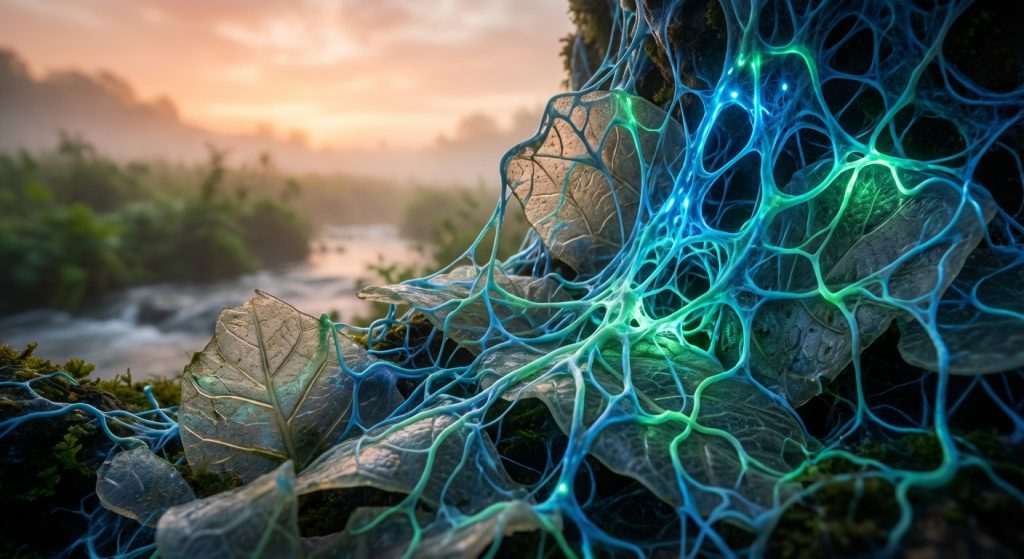
The world faces a significant environmental challenge: plastic pollution. For decades, we have relied on petroleum-based plastics. However, these materials persist in the environment for centuries. Fortunately, innovative solutions are emerging from nature itself. Bio-plastics and mycelium materials offer sustainable alternatives. These biomaterials are transforming how we design and consume.
This article explores these revolutionary materials. We will delve into their origins, benefits, and applications. Packaging designers, material engineers, and circular economy advocates will find valuable insights here. Let’s discover nature’s answer to the plastic plague.
Understanding Bio-Plastics
Bio-plastics are a diverse group of materials. They are made from renewable biological sources instead of fossil fuels. This distinction is crucial for environmental sustainability. Many bio-plastics are also biodegradable. This means they can break down naturally over time. This contrasts sharply with conventional plastics that linger for hundreds of years.
However, the term “bio-plastic” can be broad. Some bio-plastics are chemically identical to traditional plastics. They are merely derived from biomass. For example, sugarcane can be converted into a polymer that is chemically the same as one made from crude oil . Therefore, it’s vital to look beyond the “bio” label. Material transparency is key to understanding their true environmental impact.
The Science Behind Bio-Plastics
The creation of bio-plastics involves various processes. Some are derived from starches, sugars, or cellulose. Others are made from plant oils. For instance, a gelatin- or agar-based bioplastic can be created in a lab setting . These often involve fermentation or chemical synthesis. The goal is to replicate the properties of conventional plastics using renewable resources.
It is important to note that “bio-based” is a legally defined term. It refers to products derived wholly or partly from biomass. However, the percentage of bio-content can vary significantly. For example, USDA defines bio-based carpet as needing only 7% bio-content. Thus, many “bio-based” materials still contain a large proportion of synthetic content.
Applications of Bio-Plastics
Bio-plastics are finding their way into numerous products. These include packaging, single-use cutlery, and even textiles. For instance, companies are developing bio-based yarns from algae . They are also used in coatings and foams. As the technology advances, more complex applications will emerge.
However, the biodegradability of bio-plastics is not always straightforward. Some require specific industrial composting conditions. Others may still take a long time to break down. Therefore, their end-of-life management needs careful consideration.
Mycelium Materials: The Fungal Frontier
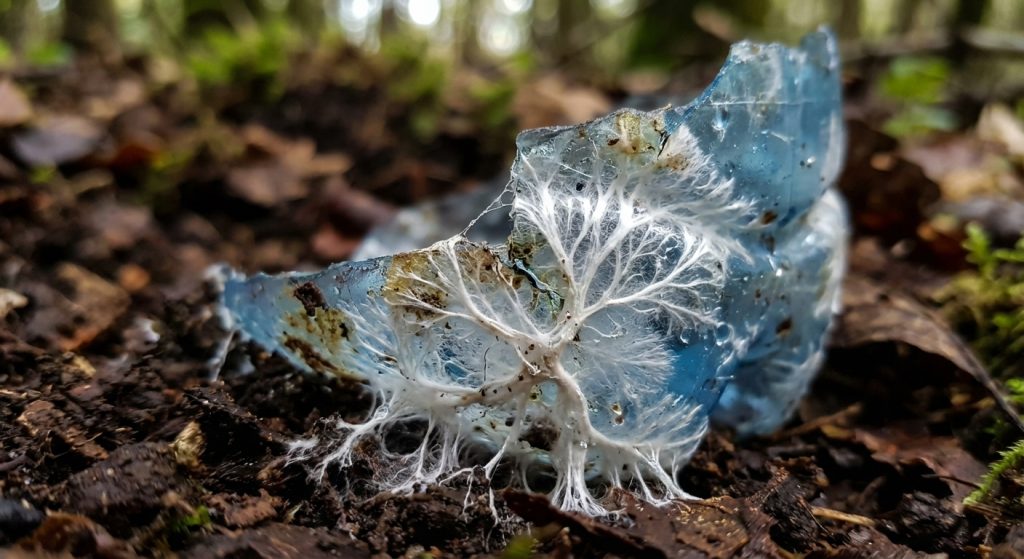
Mycelium, the root-like structure of fungi, is a truly remarkable material. It forms extensive underground networks. These networks can be harnessed to create innovative materials. Fungi are neither plants nor animals. They play a crucial role in breaking down organic matter .
Mycelium can be grown into complex three-dimensional structures. These structures can be engineered for specific properties. They can be strong, lightweight, insulating, and even water-resistant. Furthermore, mycelium materials are often biodegradable. This makes them a highly sustainable choice.
The Growth Process
Growing mycelium materials typically involves agricultural by-products. These can include sawdust, hemp, or other organic waste. The mycelium is inoculated onto this substrate. It then grows, binding the waste material together. This process creates a dense, cohesive material.
Companies like Ecovative have pioneered this technology. They use mycelium to create packaging materials that replace Styrofoam . MycoComposite, for example, uses mycelium and agricultural waste. It serves as an alternative to plastic foam packaging and insulation. This approach not only creates new materials but also upcycles waste.
Transformative Applications
The versatility of mycelium is astounding. It’s being used to create leather alternatives for the fashion industry. MycoWorks, for instance, produces a material called Fine Mycelium™. This material mimics the look and feel of animal leather but with a significantly lower environmental impact .
Beyond fashion, mycelium is being explored for construction. Mycelium-based composites can offer excellent insulation and fire resistance. Furthermore, some processes are carbon-negative. This means they absorb more carbon dioxide than they release. This aligns perfectly with the goals of a circular economy.
Why Choose Nature-Based Materials?
The shift towards bio-plastics and mycelium materials is driven by several factors. Firstly, the environmental crisis demands new solutions. Plastic pollution is a global concern. It harms ecosystems and human health. Secondly, these materials align with the principles of a circular economy. They are often derived from renewable resources and are biodegradable.
Moreover, nature-based materials can offer unique performance benefits. They can be engineered for specific properties. They also connect us to natural processes. This can inspire more sustainable design thinking. Biomimicry, learning from nature’s designs, is a powerful approach .
Reducing Reliance on Fossil Fuels
Conventional plastics are derived from petroleum. This is a finite resource. Its extraction and processing have significant environmental consequences. By using bio-plastics and mycelium, we reduce our dependence on fossil fuels. This is a crucial step towards a more sustainable future.
Moving away from crude oil is definitely a step in the right direction. However, we cannot assume that these materials have solved all the issues created by plastics made from crude oil. Therefore, continued research and development are essential.
Biodegradability and Compostability
A key advantage of many bio-based materials is their biodegradability. This means they can decompose naturally. This reduces the long-term burden on landfills. Some materials are also compostable. They can break down in industrial composting facilities, turning into valuable soil amendments.
However, it is important to distinguish between biodegradable and compostable. Not all biodegradable materials will break down quickly in all environments. Likewise, compostable materials require specific conditions to decompose effectively. Proper disposal and infrastructure are therefore crucial.
Potential for Bioremediation
Fungi have a remarkable ability to break down complex substances. Certain species of fungi can even degrade plastics. This capacity for bioremediation is incredibly promising. It offers a potential solution for cleaning up existing pollution.
Research is ongoing into plastic-eating fungi. These organisms could help tackle plastic waste in landfills and natural environments . This natural cleanup process could be a game-changer.
Challenges and the Path Forward
Despite their promise, bio-plastics and mycelium materials face challenges. Scaling up production to meet global demand is one hurdle. Cost competitiveness with conventional plastics is another. Furthermore, consumer education is vital. People need to understand how to properly dispose of these new materials.
Material transparency is also crucial. Designers and engineers need clear information about a material’s lifecycle. This includes its sourcing, production, and end-of-life fate. Only then can we make truly informed choices.
Advancing Material Science
The field of material science is rapidly evolving. Researchers are constantly developing new bio-based and biofabricated materials. Innovation is key to overcoming current limitations. This includes improving durability, reducing costs, and enhancing biodegradability.
The development of bio-based non-isocyanate polyurethanes (NIPUs) for foams and coatings is one example. These aim to replace less sustainable alternatives . Likewise, bioassembled materials like those from bioMASON offer novel construction solutions.
Designing for Circularity
The ultimate goal is a circular economy. This means designing products and systems that eliminate waste. Bio-plastics and mycelium materials are vital components of this vision. They enable us to move away from a linear “take-make-dispose” model.
By embracing these natural materials, we can create a more sustainable and resilient future. Packaging designers can rethink product delivery. Material engineers can develop next-generation composites. Advocates can champion policies that support these innovations. The potential for positive change is immense.
Frequently Asked Questions
What is the main difference between bio-plastics and conventional plastics?
Bio-plastics are derived from renewable biological sources like plants or fungi, while conventional plastics are made from petroleum. Many bio-plastics are also designed to be biodegradable.
Are all bio-plastics biodegradable?
No, not all bio-plastics are biodegradable. Some are made from biomass but are chemically identical to petroleum-based plastics and do not break down easily. It’s important to check specific product certifications.
How is mycelium used to create materials?
Mycelium, the root structure of fungi, is grown on agricultural waste. It binds the waste material together, forming dense, lightweight, and strong structures that can be shaped into various products.
What are the environmental benefits of using mycelium materials?
Mycelium materials are often biodegradable, derived from renewable resources, and can be produced using waste streams. Some production processes are even carbon-negative, helping to sequester carbon.
Can mycelium materials replace traditional plastics entirely?
While mycelium materials offer excellent alternatives for many applications, such as packaging and textiles, they may not be able to replace all types of plastics due to differences in properties and cost-effectiveness for certain high-performance uses. However, they represent a significant step towards reducing plastic reliance.
What does “bio-based” mean in material definitions?
“Bio-based” is a term legally defined to mean products wholly or partly derived from biomass. However, the minimum percentage of bio-content required can vary significantly by product category, meaning many bio-based products still contain substantial synthetic content.
Conclusion
The plastic plague demands innovative solutions. Bio-plastics and mycelium materials represent a powerful response from nature. They offer a path towards a more sustainable and circular economy. By understanding their origins, applications, and potential, we can make informed choices. Packaging designers, material engineers, and advocates all play a crucial role. Together, we can harness these natural wonders to build a healthier planet.
