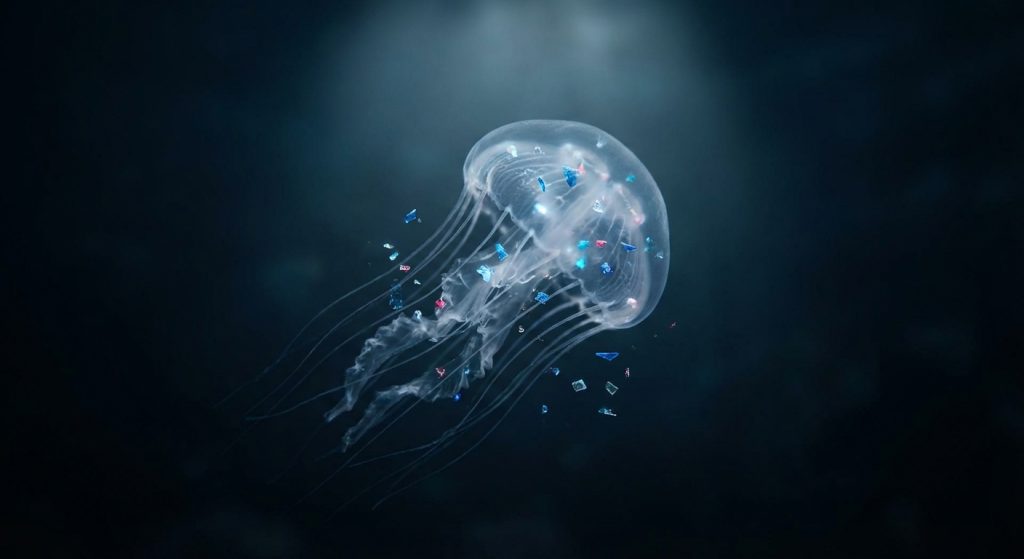
Microplastics are everywhere. They pollute our oceans and land. These tiny plastic particles are a major concern for ecosystems. They pose a significant threat to animal health. This is especially true for their endocrine systems. Understanding this impact is crucial for researchers and officials.
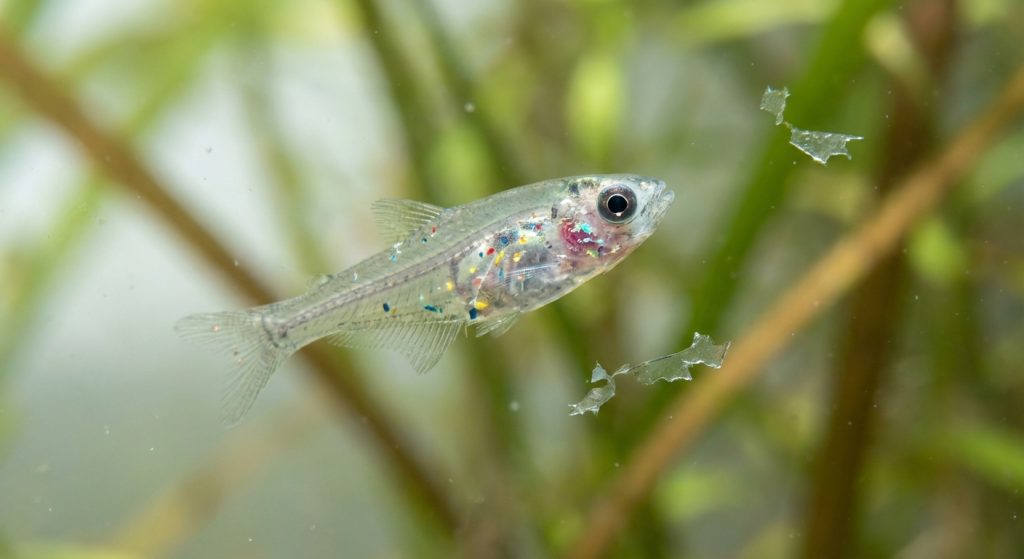
What Are Microplastics?
Microplastics are small plastic pieces. They are typically less than 5 mm in size. They come from many sources. Some are made intentionally. Others form when larger plastics break down. Washing synthetic clothes is a major source. Worn tires and road paint also contribute. City dust and cleaning products add to the problem. Accurate statistics on their total amount are hard to find. However, their presence is widespread, from oceans to remote islands.
These particles are easily ingested by animals. They can move up the food chain. This persistence makes them a long-term environmental issue. Their small size allows them to enter various tissues. This can lead to significant health problems.
The Endocrine System: A Delicate Balance
The endocrine system is vital for animals. It uses hormones to control many functions. These include growth, metabolism, and reproduction. It also regulates mood and stress responses. The endocrine system is a complex network of glands. These glands produce and release hormones. Hormones travel through the bloodstream. They act on specific target cells and organs.
A disruption to this system can have severe consequences. It can affect an animal’s ability to thrive. It can also impact their reproductive success. Furthermore, it can influence behavior and overall health.
How Microplastics Interfere with Endocrine Systems
Microplastics can act as endocrine-disrupting chemicals (EDCs). This means they can mimic or block natural hormones. They can also interfere with hormone synthesis and metabolism. Some plastics contain additives. These additives can leach out. They can mimic estrogen or androgen hormones. This can lead to reproductive abnormalities.
For example, some studies suggest microplastics can cause oxidative stress. Oxidative stress damages cells. It can disrupt normal hormonal signaling. This is a significant concern for aquatic life. Fish are particularly vulnerable. They are often exposed through ingestion. Microplastics can cause tissue damage in fish. They can also alter immune gene expression. This disruption can affect their endocrine functions.
Moreover, the physical presence of microplastics can cause harm. They can lead to inflammation. They can also block nutrient absorption. This indirectly affects the endocrine system. It impacts the animal’s overall health and hormonal balance.
Observed Impacts on Wildlife
Research shows clear impacts on various animal species. Fish exposed to microplastics exhibit several issues. These include neurotoxicity and growth retardation. Behavioral abnormalities are also common. The effects are not limited to fish. Aquatic invertebrates are also affected. Their reproductive cycles can be disrupted. This has cascading effects on the food web.
For instance, microplastics can affect predatory behavior in fish. They might mistake plastic particles for prey. This leads to malnutrition. It also results in the accumulation of plastics in vital organs. This includes the gills, gut, and stomach.
The long-term consequences for wild populations are significant. They can lead to reduced fertility. They can also cause developmental defects. This can threaten the survival of species. The impact on biodiversity is a growing concern.
Mechanisms of Ecotoxicity
The ecotoxicity of microplastics is multifaceted. Firstly, the chemical composition of the plastic matters. Additives and adsorbed pollutants on the plastic surface are key. These can leach into the organism’s tissues. Secondly, the physical properties are important. Size, shape, and surface texture influence ingestion and internal effects. Smaller particles can translocate into tissues and organs more easily.
Zebrasfish are often used as a model organism. This is due to their small size and rapid reproduction. Zebrafish studies help evaluate the toxicity of environmental pollutants. They can reveal impacts on development and gene expression. This research provides valuable insights into microplastic effects. It helps understand how these pollutants affect aquatic ecosystems.
Challenges in Research and Monitoring
Studying microplastic impacts presents challenges. There is no universal definition for microplastics. This complicates monitoring efforts. Developing standardized methods is crucial. This ensures consistent data collection. Research needs to focus on cellular and molecular mechanisms. Understanding these pathways is key to predicting toxicity.
Little is known about the specific toxic effects. These effects can vary greatly. They depend on the type, size, shape, and concentration of microplastics. More research is needed to clarify these relationships. This will help in developing effective mitigation strategies. The complexity of environmental mixtures is another challenge. Microplastics often interact with other pollutants. This can amplify their toxic effects.
Human Health Implications
While this article focuses on ecotoxicity, human exposure is also a concern. Humans are exposed through various routes. This includes consumption of contaminated food, inhalation, and skin contact. The effects on human health are still poorly understood. However, potential impacts include oxidative stress and cytotoxicity. Neurotoxicity and immune system disruption are also possibilities. Microplastics can transfer to human tissues.
The food chain plays a significant role. Microplastics found in edible fish can enter the human diet. This biomagnification can increase human exposure levels. Therefore, understanding ecotoxicity is indirectly linked to human health. It highlights the interconnectedness of environmental health.
Mitigation and Future Directions
Addressing microplastic pollution requires a multi-pronged approach. Reducing plastic production and consumption is vital. Improving waste management systems is essential. Developing biodegradable alternatives is also important. For instance, exploring bio-plastics derived from natural sources could offer solutions. Bio-Plastics & Mycelium: Nature’s Answer to Plastic Pollution offers a glimpse into such alternatives.
Further research is needed. This includes developing better detection methods. It also involves long-term studies on ecological impacts. Understanding the interaction between microplastics and other environmental stressors is key. This will inform policy decisions. It will also guide conservation efforts. The “One Health” approach is relevant here. It recognizes the link between animal, human, and environmental health. The One Health approach emphasizes this interconnectedness.
Conclusion
Microplastics pose a significant and growing threat to animal endocrine systems. Their pervasive presence in the environment leads to widespread exposure. This exposure can disrupt hormonal balance, affecting reproduction, growth, and behavior. While research is ongoing, the evidence points to serious ecotoxicological concerns. Continued investigation into the mechanisms of toxicity is vital. Furthermore, robust mitigation strategies are urgently needed. These strategies must address plastic production, waste management, and the development of sustainable alternatives. Protecting animal endocrine health is crucial for maintaining ecosystem integrity and biodiversity.
Frequently Asked Questions
What are the main sources of microplastics in the environment?
Microplastics originate from various sources. These include the breakdown of larger plastic items, synthetic textile fibers from washing clothes, tire wear particles, road paint, and microbeads from personal care products.
How do microplastics affect animal endocrine systems specifically?
Microplastics can act as endocrine disruptors. They can mimic or block natural hormones, interfere with hormone production, or leach harmful additives. This disruption can lead to issues with reproduction, metabolism, and development in animals.
Are there specific animal groups more vulnerable to microplastic endocrine disruption?
Aquatic organisms, particularly fish and invertebrates, are highly vulnerable due to direct exposure through ingestion and their aquatic environment. However, the endocrine systems of terrestrial animals can also be affected through contaminated food and water.
What are the challenges in studying the impact of microplastics?
Challenges include the lack of a universal definition for microplastics, difficulties in standardized monitoring, and the complex interactions of microplastics with other environmental pollutants. Understanding the varied effects based on plastic type, size, and shape also requires extensive research.
What can be done to reduce microplastic pollution and its impact?
Reducing plastic consumption, improving waste management and recycling, developing biodegradable plastic alternatives, and implementing policies to limit plastic use are crucial steps. Public awareness and individual actions also play a significant role.